Water storage systems must perform reliably for many years. Tank material selection affects durability, maintenance, and long-term operating costs.
Many commercial facilities compare stainless steel panel tanks and HDG panel tanks before selecting a system. Both options are commonly used in industrial and commercial water storage applications. However, the two materials perform differently under long-term operating conditions.
Understanding these differences helps operators choose the right solution for their project requirements.
What are HDG Panel Tanks?
HDG stands for hot-dip galvanised steel. These tanks use steel panels coated with zinc to improve corrosion resistance.
HDG panel tanks are widely used because they provide:
- structural strength
- relatively low upfront costs
- suitability for large storage systems
- durability in many environments
However, galvanised coatings may gradually wear down over time. This is one of the main differences between HDG and stainless steel systems.
What are Stainless Steel Panel Tanks?
Stainless steel panel tanks use corrosion resistant steel panels designed for long-term water storage.
These systems are commonly used in:
- potable water storage
- hospitals
- food processing facilities
- commercial buildings
- fire protection systems
Many operators choose stainless steel because it combines hygiene and durability in one system.
Corrosion Resistance Comparison
Corrosion resistance is one of the biggest differences between these tank materials.
HDG Panel Tanks
HDG tanks rely on a zinc coating for protection. Over time, this coating may degrade due to moisture and environmental exposure. Once the protective layer weakens, corrosion may begin developing on the steel surface.
This can eventually increase maintenance requirements.
Stainless Steel Panel Tanks
Corrosion resistant stainless steel panel tanks perform better in humid and demanding environments. The material naturally resists rust and oxidation without relying on protective coatings. This helps maintain cleaner internal surfaces and longer operational lifespan.
Facilities focused on water quality often prefer stainless steel for this reason.
Hygiene and Water Quality
Water hygiene is especially important in potable water systems.
Stainless Steel Advantages
Stainless steel provides smooth and non-porous internal surfaces. These surfaces help reduce bacterial buildup and contamination risks. Many facilities use stainless steel panel tanks for potable water because they support cleaner water storage conditions.
Stainless steel also simplifies cleaning and inspection procedures.
HDG Tank Considerations
HDG panel tanks remain suitable for many non-potable applications. However, internal coating wear may eventually affect water quality conditions.
This may require additional monitoring and maintenance over time.
Maintenance Requirements
All water tanks require routine servicing and inspections. However, maintenance requirements may vary depending on the material.
Common HDG Tank Maintenance
HDG systems may require:
- coating inspections
- corrosion monitoring
- rust treatment
- protective repairs
- internal cleaning
Environmental exposure can increase maintenance frequency.
Stainless Steel Tank Maintenance
Stainless steel systems generally require less corrosion-related maintenance.
Routine stainless steel panel tank maintenance usually focuses on:
- cleaning
- sediment removal
- seal inspections
- structural checks
The material’s corrosion resistance helps reduce long-term repair requirements.
Lifespan Comparison
Tank lifespan depends on maintenance quality, environmental conditions, and operating demands. However, stainless steel typically provides a longer service life in corrosive environments.
This is especially important for:
- coastal locations
- humid climates
- potable water systems
- industrial applications
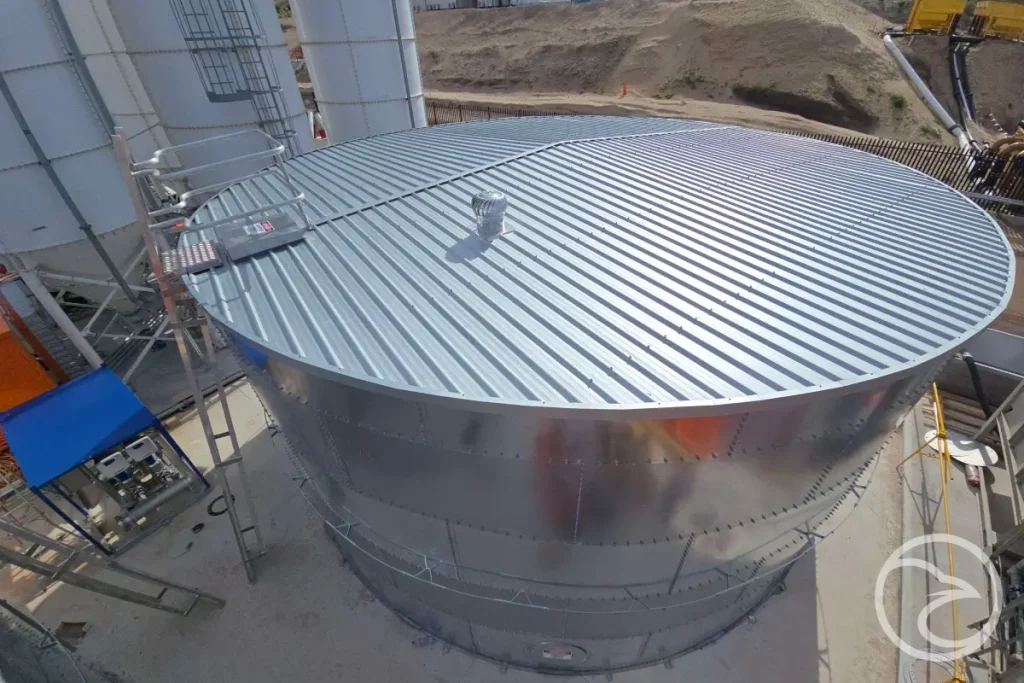
HDG panel tanks can still perform well in many projects. However, long-term exposure may eventually reduce coating effectiveness. Understanding how long do galvanized water tanks last can help operators compare maintenance requirements and lifespan expectations between different tank materials.
Cost Considerations
HDG panel tanks often have lower initial purchase costs. This makes them attractive for some budget-sensitive projects. However, long-term maintenance and repair costs should also be considered.
Stainless steel systems usually involve:
- higher upfront investment
- lower corrosion risk
- reduced long-term maintenance
- longer operational lifespan
For many operators, long-term durability offsets the higher initial cost.
Applications for Each Tank Type
Both tank materials are suitable for different applications.
Stainless Steel Panel Tanks
Common applications include:
- potable water storage
- healthcare facilities
- food processing
- commercial buildings
- hygienic water systems
Many facilities also choose hygienic stainless steel panel tanks for environments with strict sanitation requirements.
HDG Panel Tanks
HDG systems are commonly used for:
- industrial water storage
- irrigation systems
- non-potable applications
- large infrastructure projects
Application requirements usually determine the most suitable material.
Conclusion
Both HDG and stainless steel panel tanks offer reliable water storage solutions. However, their long-term performance characteristics differ significantly. HDG tanks provide structural strength and lower upfront costs. Stainless steel systems offer stronger corrosion resistance, improved hygiene performance, and longer service life.
For potable water and hygiene-sensitive environments, stainless steel often provides the best long-term value. Careful evaluation of maintenance, lifespan, and operational requirements helps determine the right solution for each project.