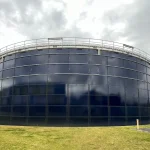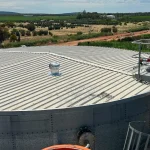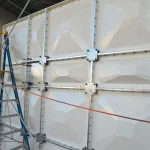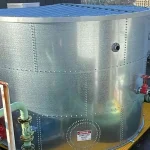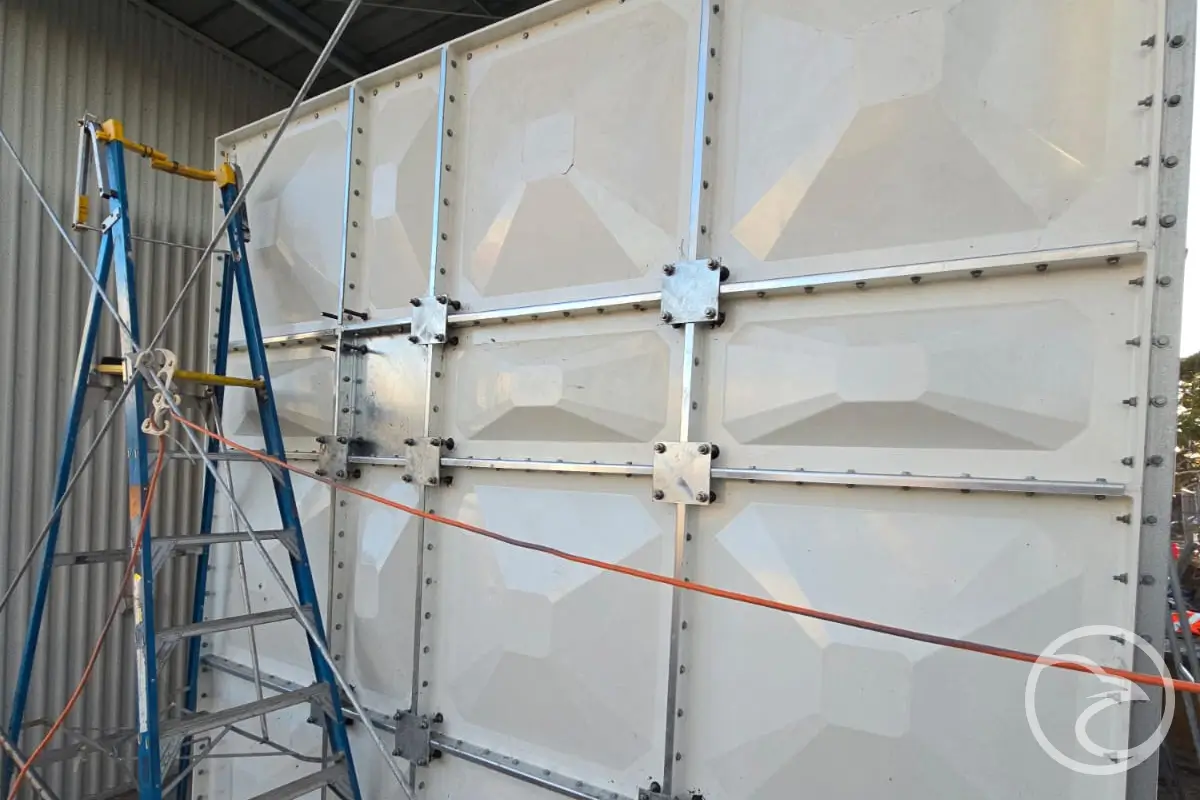
Reliable water storage is essential for homes, commercial buildings, industrial facilities, and agricultural operations. Choosing the right tank affects water quality, maintenance costs, and the overall lifespan of the storage system. As industries increasingly look for durable and low-maintenance solutions, FRP water tanks have become one of the preferred options.
Made from fibre-reinforced composite materials, FRP tanks combine high strength with a lightweight structure. They resist corrosion, perform well in harsh environments, and require less maintenance than many traditional storage systems. These qualities make them suitable for potable water, fire protection, industrial processes, irrigation, and many other applications.
You may also see these tanks referred to as GRP tanks or GRP water tanks. While the terminology differs slightly, both names usually describe composite water tanks reinforced with glass fibres.
This guide explains what FRP water storage systems are, their main advantages, common applications, potential drawbacks, expected service life, and how they compare with steel and glass-fused-to-steel tanks.
What are FRP Water Tanks?
FRP stands for Fiber Reinforced Plastic, a composite material made by combining reinforcing fibres with a polymer resin. The fibres provide strength, while the resin protects the structure and holds the material together.
In water storage, the reinforcing material is most commonly glass fibre. Because of this, many manufacturers also use the term GRP, which means Glass Reinforced Plastic. In practice, FRP and GRP are often used interchangeably when describing water storage tanks.
Unlike conventional steel tanks, FRP does not rust. It also performs well in humid environments, coastal locations, and areas where tanks are exposed to chemicals or varying weather conditions. This makes it a reliable option for long-term water storage.
Many modern GRP water tanks use a modular panel design. Instead of transporting one large tank, individual panels are delivered to the site and assembled into the required size. This approach simplifies transportation and allows large tanks to be installed where access is limited.
FRP vs GRP: is there a Difference?
| Term | Description |
|---|---|
| FRP | Fiber Reinforced Plastic. A general term for fibre-reinforced composite materials. |
| GRP | Glass Reinforced Plastic. A type of FRP reinforced specifically with glass fibres. |
| Fiberglass Tank | A common industry term for FRP or GRP water tanks. |
Although the terminology varies between manufacturers and regions, the performance characteristics are generally very similar.
Why are FRP Water Tanks Becoming More Popular?
The demand for FRP water storage continues to grow because owners are looking for storage systems that offer long-term value instead of simply the lowest purchase price.
Compared with many traditional materials, FRP tanks provide several important benefits:
- excellent corrosion resistance
- low maintenance requirements
- lightweight construction
- fast installation
- long service life
- hygienic water storage
- easy modular expansion
- strong structural performance
These advantages make them suitable for projects ranging from small commercial buildings to large industrial facilities and municipal infrastructure.
Key Advantages of FRP Water Tanks
The popularity of FRP water tanks continues to grow because they combine durability, efficiency, and low maintenance. Unlike many traditional storage systems, they are designed to perform reliably in a wide range of environmental conditions. Below are the main advantages that make FRP tanks a preferred solution for modern water storage.
Excellent Corrosion Resistance
Corrosion is one of the biggest challenges for conventional water storage tanks. Over time, moisture, oxygen, and chemicals can damage metal surfaces, leading to rust, leaks, and expensive repairs.
One of the greatest advantages of FRP water storage is that the material does not rust. The composite structure naturally resists moisture and many chemicals, making it suitable for harsh environments where steel tanks may deteriorate more quickly.
This benefit is especially valuable in:
- coastal regions with salty air
- humid climates
- industrial facilities
- wastewater treatment plants
- chemical processing sites
Because corrosion is not a major concern, owners spend less time and money on protective coatings, repainting, and repairs.
High Strength with Low Weight
Although FRP tanks are lightweight, they offer excellent structural strength. The combination of reinforcing fibres and resin creates a material with a high strength-to-weight ratio. A lighter tank simplifies every stage of a project. Transportation becomes easier, lifting equipment may be smaller, and installation usually requires less labour.
Lower weight also reduces the load placed on building structures and foundations. This can be an important advantage for rooftop installations and confined construction sites.
The lightweight design also allows installers to assemble modular tanks in locations where heavy steel tanks would be difficult to transport.
Long Service Life
A well-designed water storage system should provide reliable performance for decades. Quality GRP tanks are known for their long operational life when installed and maintained correctly. Most manufacturers expect a service life of around 25 to 40 years, while some systems remain in operation even longer under favourable conditions.
Several factors contribute to this durability:
- corrosion-resistant materials
- stable structural performance
- resistance to moisture
- protection against many chemicals
- reduced surface deterioration
A longer lifespan lowers replacement costs and improves the overall value of the investment.
Hygienic Water Storage
Water quality is a priority for drinking water, food production, healthcare facilities, and many commercial buildings. The smooth internal surfaces of FRP water tanks help minimise the accumulation of dirt, algae, and sediment. Since the material does not rust, there is no risk of corrosion particles contaminating stored water.
Many GRP water tanks are manufactured using materials approved for potable water storage. When properly maintained, they help preserve water quality throughout the storage period. Regular cleaning remains essential, but the tank material itself supports a hygienic storage environment.
Excellent Weather Resistance
Outdoor storage tanks must withstand changing weather throughout the year. Heavy rain, intense sunlight, temperature fluctuations, and high humidity can gradually affect some construction materials. FRP performs well under these conditions because it is resistant to moisture and many environmental influences.
Many tanks also feature UV-resistant external coatings that help protect the surface from prolonged exposure to sunlight. This reduces fading and slows surface ageing. For facilities located near the coast, resistance to salt-laden air provides another important advantage over conventional steel tanks.
Low Maintenance Requirements
Every water storage system requires routine inspections, but FRP water storage tanks generally demand less maintenance than many metal alternatives.
Owners do not need to regularly repaint external surfaces to prevent corrosion. Instead, maintenance focuses on standard inspection tasks such as:
- checking panel joints
- inspecting seals and gaskets
- cleaning internal sediment
- examining pipe connections
- inspecting accessories
Lower maintenance requirements reduce operating costs throughout the tank’s service life while helping maintain reliable performance. To support long-term performance and reliability, explore our professional water tank maintenance services.
Modular Design for Flexible Installation
Many modern GRP tanks are manufactured using modular panels that are assembled on site. This design offers significant flexibility because tanks can be built in locations where large preassembled units cannot be delivered.
Modular construction also provides several practical benefits:
- easier transportation
- simpler handling on site
- faster installation
- flexible tank dimensions
- easier future expansion
If additional storage capacity becomes necessary, many modular systems can be enlarged by adding extra panels instead of replacing the entire tank.
Suitable for Potable Water
Many FRP water tanks are specifically designed for drinking water applications. Certified potable water tanks use materials that meet recognised health and water quality standards. They are manufactured to prevent contamination while maintaining clean storage conditions.
Common applications include:
- residential developments
- hospitals
- schools
- hotels
- commercial buildings
- municipal water supply systems
Before selecting any tank, buyers should confirm that it complies with the drinking water regulations applicable in their region.
Cost-Effective Over the Long Term
The initial purchase price is only one part of the total investment. Maintenance, repairs, downtime, and replacement costs also affect the overall cost of ownership. Although some traditional tanks may have a lower upfront cost, FRP tanks often provide better long-term value because they require fewer repairs and have a longer operational life.
Reduced maintenance, corrosion resistance, and reliable performance help lower lifecycle costs over several decades. For organisations planning long-term infrastructure investments, this can make FRP one of the most economical water storage solutions available.
Benefits of FRP Water Storage for Different Applications
One of the biggest strengths of FRP water storage is its versatility. The same material can be used in a wide range of industries while delivering reliable performance and low maintenance. Whether the priority is drinking water quality, corrosion resistance, or large storage capacity, FRP water tanks offer practical advantages across many applications.
Commercial Buildings
Commercial properties require dependable water storage that supports daily operations with minimal maintenance. Office buildings, shopping centres, apartment complexes, and mixed-use developments often rely on stored water for domestic supply, cooling systems, and emergency reserves.
FRP water tanks are a popular choice because they:
- require little maintenance
- resist corrosion in humid plant rooms
- help maintain water quality
- have a long service life
- can be installed on rooftops due to their lighter weight
Their modular construction also makes installation easier in buildings with restricted access.
Industrial Facilities
Industrial sites often operate in challenging environments where tanks are exposed to moisture, chemicals, or fluctuating temperatures. Unlike conventional steel tanks, FRP tanks resist corrosion without requiring protective coatings or frequent repainting. This helps reduce maintenance while improving long-term reliability.
Typical industrial applications include:
- manufacturing plants
- processing facilities
- warehouses
- mining operations
- chemical plants
- power generation sites
The material’s durability makes it suitable for both indoor and outdoor installations.
Fire Water Storage
Fire protection systems require reliable water storage that remains ready throughout the year. Many facilities choose GRP water tanks because they provide dependable long-term performance with relatively low maintenance requirements.
Their corrosion resistance is particularly valuable since fire tanks may remain full for long periods before being used.
Other advantages include:
- large storage capacities
- modular expansion
- resistance to outdoor weather
- long operational life
- suitability for compliance with fire protection system requirements
Agriculture and Irrigation
Agricultural operations depend on reliable water supplies for irrigation, livestock, and crop production. Water tanks installed on farms are often exposed to intense sunlight, changing temperatures, dust, and seasonal weather. FRP water storage tanks perform well under these conditions because they resist corrosion and moisture.
Common agricultural uses include:
- irrigation systems
- livestock watering
- rainwater harvesting
- fertiliser mixing
- equipment washing
Their long lifespan helps reduce replacement costs over time.
Municipal Water Supply
Municipal water systems require storage infrastructure that protects water quality while operating continuously for many years. Many councils and water authorities use GRP tanks because they offer excellent durability and can be manufactured in large capacities.
The modular design also simplifies construction for projects where transporting oversized tanks would be difficult.
For municipal infrastructure, important benefits include:
- hygienic water storage
- reliable structural performance
- corrosion resistance
- low maintenance
- long service life
Educational Facilities
Schools, universities, and colleges often require dependable water storage for drinking water, sanitation, and emergency systems. Because maintenance budgets are frequently limited, long-lasting GRP water tanks can provide a practical solution with lower ongoing maintenance requirements.
Their long service life also makes them suitable for public infrastructure projects that are expected to operate for decades.
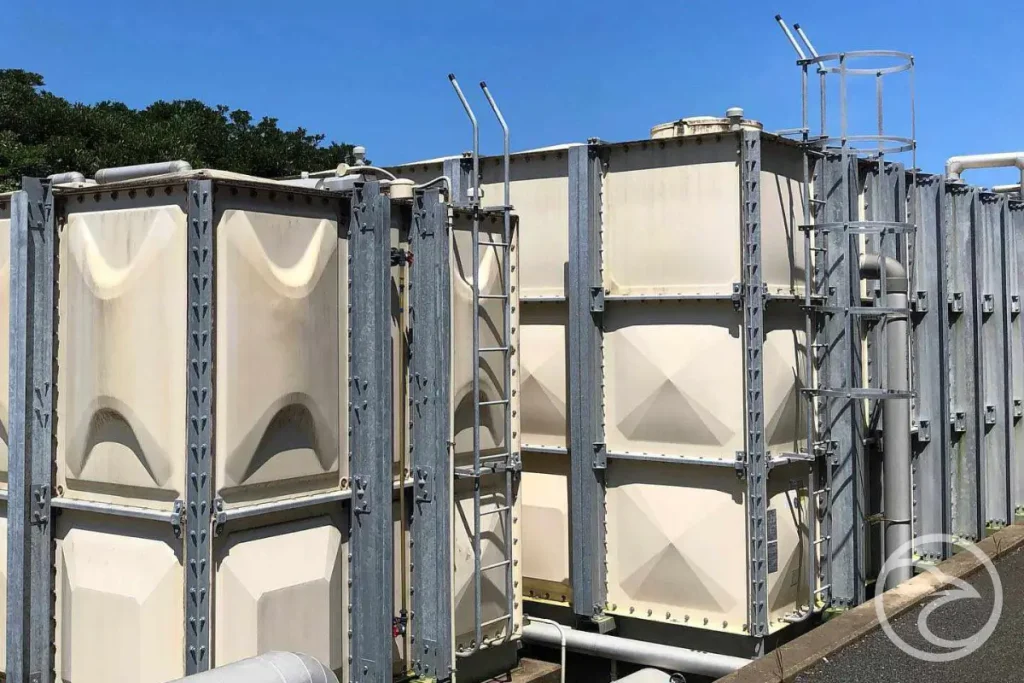
FRP vs Steel vs Glass-Fused-to-Steel Tanks
Selecting the right water storage tank involves balancing cost, durability, maintenance, and expected service life. While FRP tanks, steel tanks, and glass-fused-to-steel (GFS) tanks are all widely used, each material offers different advantages.
The table below highlights the main differences.
| Feature | FRP Water Tanks | Steel Tanks | Glass-Fused-to-Steel Tanks |
|---|---|---|---|
| Corrosion resistance | Excellent | Moderate | Excellent |
| Weight | Very light | Heavy | Heavy |
| Installation | Fast | Moderate | Moderate |
| Maintenance | Low | Moderate to High | Low |
| Rust risk | None | Yes | Very low |
| Potable water suitability | Excellent | Good | Excellent |
| Modular expansion | Easy | Limited | Easy |
| Expected lifespan | 25–40+ years | 20–30 years* | 30–50+ years* |
*Actual lifespan depends on design, installation, maintenance, water quality, and operating conditions.
For a detailed comparison of both materials, read our guide to GRP vs stainless steel tanks.
FRP Water Tanks
FRP water tanks are an excellent choice when corrosion resistance, lightweight construction, and low maintenance are the highest priorities. They are particularly suitable for commercial buildings, industrial facilities, hospitals, schools, and agricultural applications where easy installation and long-term durability are important.
Steel Tanks
Steel tanks remain a common solution because of their structural strength and widespread availability. However, they require effective corrosion protection throughout their service life. If protective coatings become damaged, rust may develop, increasing maintenance costs and potentially affecting water quality.
Glass-Fused-to-Steel Tanks
Glass-fused-to-steel tanks combine the strength of steel with a protective glass coating that provides excellent corrosion resistance. They perform well in large municipal and industrial projects where very high capacities are required. However, they are generally heavier than FRP tanks, which may increase transportation and installation costs.
For many medium-sized projects, FRP offers a simpler and lighter alternative while still delivering excellent durability.
How Long do FRP Water Tanks Last?
One of the most common questions buyers ask is how long FRP water tanks will remain reliable. While the exact lifespan depends on operating conditions and maintenance, high-quality tanks are generally designed to provide 25 to 40 years of service. In favourable environments, some systems continue to perform well beyond this period.
Unlike steel, FRP does not rust. This significantly reduces one of the primary causes of structural deterioration in conventional water tanks. The composite material also withstands moisture, UV exposure, and many chemicals that can shorten the lifespan of other storage systems.
However, no tank is maintenance-free. Regular inspections and proper operation are still essential for achieving the longest possible service life.
Factors that Affect Tank Lifespan
Several factors influence how long FRP water storage tanks remain in good condition.
| Factor | Impact on Service Life |
|---|---|
| Correct installation | Very High |
| Quality of manufacturing | Very High |
| Regular inspections | High |
| Water quality | High |
| UV protection | Medium |
| Environmental conditions | Medium |
| Mechanical damage | High |
| Routine cleaning | Medium |
Choosing a reputable manufacturer is one of the most important decisions. High-quality materials, accurate engineering, and proper installation often have a greater influence on longevity than the tank design itself.
Signs that a Tank Needs Inspection
Routine inspections help identify small issues before they become expensive repairs.
Owners should inspect their tanks if they notice:
- leaks around joints or fittings
- visible cracks or impact damage
- unusual movement of panels
- damaged sealants
- discoloured water
- excessive sediment build-up
Early maintenance usually extends the life of the system while reducing repair costs.
Are there any Disadvantages of FRP Water Tanks?
Although FRP tanks offer many benefits, no storage solution is perfect. Understanding the limitations helps owners select the right tank for their specific application.
Higher Initial Cost than Some Plastic Tanks
FRP tanks often cost more than polyethylene storage tanks of similar capacity. However, the higher purchase price is frequently offset by lower maintenance costs, improved durability, and a longer operational life.
For long-term projects, the total lifecycle cost is often more important than the initial investment.
Quality Varies Between Manufacturers
Not all GRP water tanks are manufactured to the same standard. Poor-quality materials, inadequate engineering, or incorrect manufacturing processes can reduce durability and increase maintenance requirements.
When selecting a tank, buyers should consider:
- recognised quality certifications
- compliance with relevant standards
- manufacturer experience
- engineering support
- warranty coverage
Choosing a reputable supplier helps minimise future problems.
Professional Installation is Important
Many modular FRP water tanks require experienced installation teams. Incorrect assembly may lead to leaks, uneven panel loading, or premature wear.
Following the manufacturer’s installation guidelines is essential for achieving the expected service life.
Mechanical Impact can Cause Damage
Although FRP is very strong, it is not indestructible. Heavy impacts from machinery, vehicles, or construction equipment may crack panels or damage fittings.
Protecting the tank from accidental impacts helps prevent costly repairs.
Repairs Require Specialist Knowledge
Minor repairs can often be completed successfully, but damaged composite materials usually require specialised repair techniques. Using inappropriate repair materials may reduce structural performance or shorten the tank’s lifespan.
For significant damage, repairs should always follow the manufacturer’s recommendations.
Conclusion
FRP water tanks have become one of the most reliable solutions for modern water storage. Their combination of corrosion resistance, lightweight construction, long service life, and low maintenance makes them suitable for commercial, industrial, agricultural, municipal, and fire protection applications.
Compared with traditional steel tanks, FRP tanks eliminate the risk of rust while reducing maintenance requirements and improving long-term value. Although proper installation and routine inspections remain important, a well-designed system can provide decades of dependable performance.
Whether you are planning a new FRP water storage system or replacing an ageing tank, understanding both the advantages and limitations of this technology will help you choose a solution that delivers reliable performance for many years.