Regular inspections are essential for maintaining the performance, safety, and longevity of any tank liner system. Over time, environmental conditions, chemical exposure, temperature changes, and normal operation can affect liner integrity. Identifying minor issues early helps prevent larger problems that may impact storage system reliability.
A structured tank liner inspection checklist provides a consistent approach for evaluating liner condition. It helps facility managers, maintenance teams, and operators monitor wear, identify potential risks, and schedule maintenance before failures occur.
Routine inspections are recommended for commercial, industrial, fire water, potable water, and wastewater storage tanks. While inspection frequency varies by application, every liner system benefits from regular condition assessments throughout its service life.
If you’re looking for a broader overview of liner types, materials, and applications, explore our tank liners guide before planning your inspection program.
Why Tank Liner Inspections Matter
Tank liners are designed to protect storage tanks from corrosion, leaks, contamination, and structural deterioration. Like any engineered component, they require routine inspections to verify their condition and identify early signs of wear.
Ignoring minor liner damage can increase maintenance costs and shorten the lifespan of both the liner and the storage tank. Regular inspections help facilities maintain reliable operation while reducing unexpected downtime.
Routine inspections help:
- Detect damage before it worsens
- Extend tank liner service life
- Reduce maintenance costs
- Protect stored media
- Improve storage system reliability
- Support regulatory compliance
- Improve long-term asset management
A proactive inspection program helps facilities make informed maintenance decisions while reducing the likelihood of costly repairs.
When Should Tank Liners be Inspected?
Inspection frequency depends on the tank’s application, operating environment, liner material, and stored media. Some systems require annual inspections, while others benefit from more frequent evaluations.
Tank liners should generally be inspected:
- Before a new system is commissioned
- After installation
- During scheduled maintenance
- Following severe weather events
- After exposure to unusual operating conditions
- Following chemical spills or contamination
- Before major facility shutdowns
- After repairs or modifications
Facilities storing aggressive chemicals or operating under demanding conditions may require shorter inspection intervals than standard water storage systems. Regular inspections help maintain consistent liner performance throughout the system’s service life.
Tank Liner Inspection Checklist
Every inspection should follow a consistent process to ensure no critical areas are overlooked. The following checklist covers the most common items evaluated during a tank liner inspection.
Visual Surface Condition
Inspect the liner surface for visible signs of deterioration.
Check for:
- Tears
- Cuts
- Abrasion
- Wrinkles
- Blisters
- Surface wear
- Discoloration
Even small defects may indicate larger underlying issues.
Seams and Welds
Seams are often subjected to repeated stress during normal operation. They should be inspected for any signs of separation or deterioration.
Look for:
- Open seams
- Loose welds
- Uneven joints
- Material separation
- Surface cracking
Proper seam integrity is essential for maintaining leak-free performance.
Attachment Points
Inspect all locations where the liner connects to the tank structure.
Verify:
- Anchor systems
- Fasteners
- Clamping bars
- Mounting hardware
- Edge termination
Loose attachment points may lead to liner movement during operation.
Signs of Leaks
Leaks often begin as small defects that gradually increase over time.
Inspect for:
- Damp areas
- Water loss
- Wet insulation
- Moisture around fittings
- Unexplained changes in water level
Early leak detection helps minimize damage to the storage system.
Chemical or Environmental Damage
Certain operating environments can accelerate liner degradation.
Look for:
- Chemical staining
- Material softening
- Brittleness
- UV damage
- Surface cracking
- Swelling
Changes in material appearance often indicate changes in liner performance.
Structural Changes
Inspect the liner for signs of movement or deformation.
Check for:
- Stretching
- Sagging
- Material distortion
- Excessive movement
- Uneven liner positioning
Structural changes may indicate installation issues or changing operating conditions.
Inspection Considerations for Different Tank Liner Types
Inspection priorities vary depending on the liner application and operating environment. Understanding these differences helps ensure a more effective inspection process.
Commercial Tank Liners
Commercial storage systems should be inspected for general wear, attachment integrity, and signs of leakage caused by continuous operation.
Industrial Tank Liners
Industrial liners often experience greater chemical exposure. Inspections should focus on chemical compatibility, surface degradation, and seam condition.
Fire Water Tank Liners
Fire water storage systems should be inspected to ensure the liner remains ready for emergency use. Particular attention should be given to liner integrity and water-tightness.
Potable Water Tank Liners
Potable water liners should be inspected for any condition that could affect water quality or liner performance.
Wastewater Tank Liners
Wastewater applications require careful evaluation of chemical damage, abrasion, and biological buildup that may affect long-term performance.
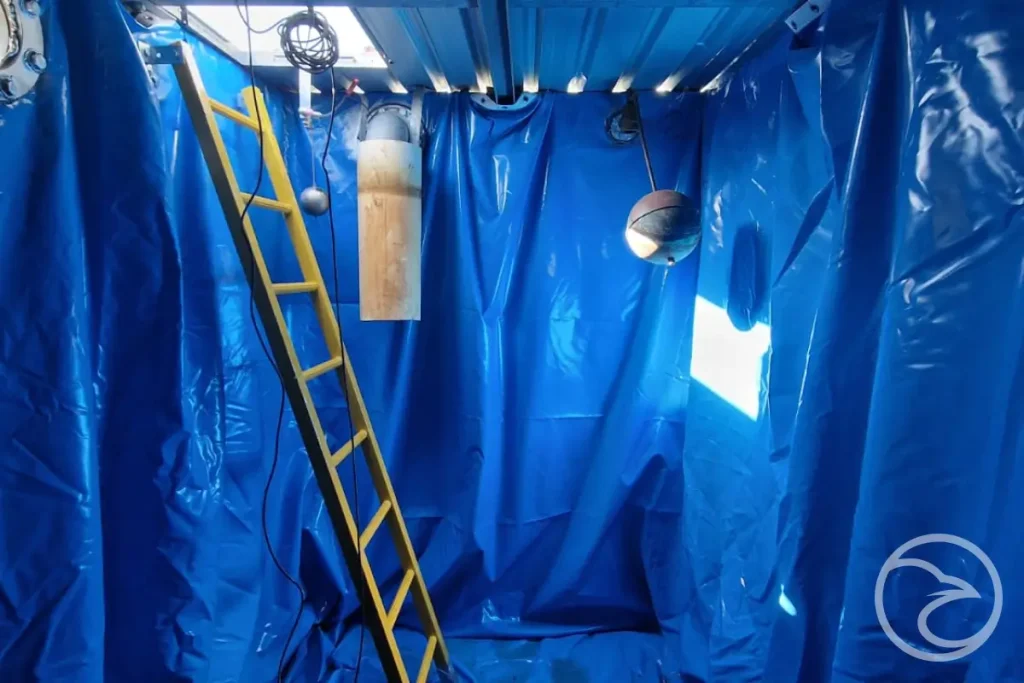
Inspection procedures should always reflect the liner material, operating conditions, and the type of stored media.
Common Problems Found During Tank Liner Inspections
Routine inspections frequently identify issues before they become major failures. Addressing these problems early helps reduce repair costs and extend liner service life.
Common inspection findings include:
- Tears and punctures
- Seam separation
- UV deterioration
- Chemical degradation
- Surface abrasion
- Loose attachment hardware
- Material aging
- Sediment buildup
- Localized leaks
- Wrinkling or deformation
Many of these issues can be corrected before they affect the overall storage system.
What Happens if Damage is Found?
Not every inspection results in major corrective work. Many defects remain localized and can be addressed before they develop into larger failures.
After identifying liner damage, facilities should document the findings, assess the severity, and determine the most appropriate corrective action. Prompt attention helps minimize downtime and protect the storage tank.
To learn more about restoring damaged liner systems, explore our tank liner repair page.
Best Practices for Tank Liner Maintenance
Routine maintenance works together with inspections to keep commercial tank liners operating efficiently. A preventive maintenance program helps preserve liner condition while reducing the risk of unexpected failures.
Maintenance best practices include:
- Schedule routine inspections
- Keep detailed inspection records
- Remove debris and sediment
- Address minor damage promptly
- Monitor operating conditions
- Follow manufacturer recommendations
- Review liner condition after unusual events
A consistent maintenance program helps maximize the performance and service life of every tank liner system.
Conclusion
Routine tank liner inspections play a vital role in protecting storage systems and maximizing liner performance. A structured inspection checklist helps identify wear, detect early damage, and support informed maintenance decisions.
By combining regular inspections with preventive maintenance, facilities can extend tank liner service life, improve operational reliability, and reduce the risk of unexpected failures.