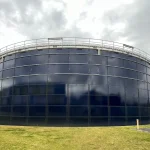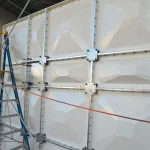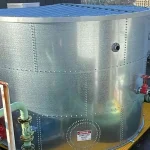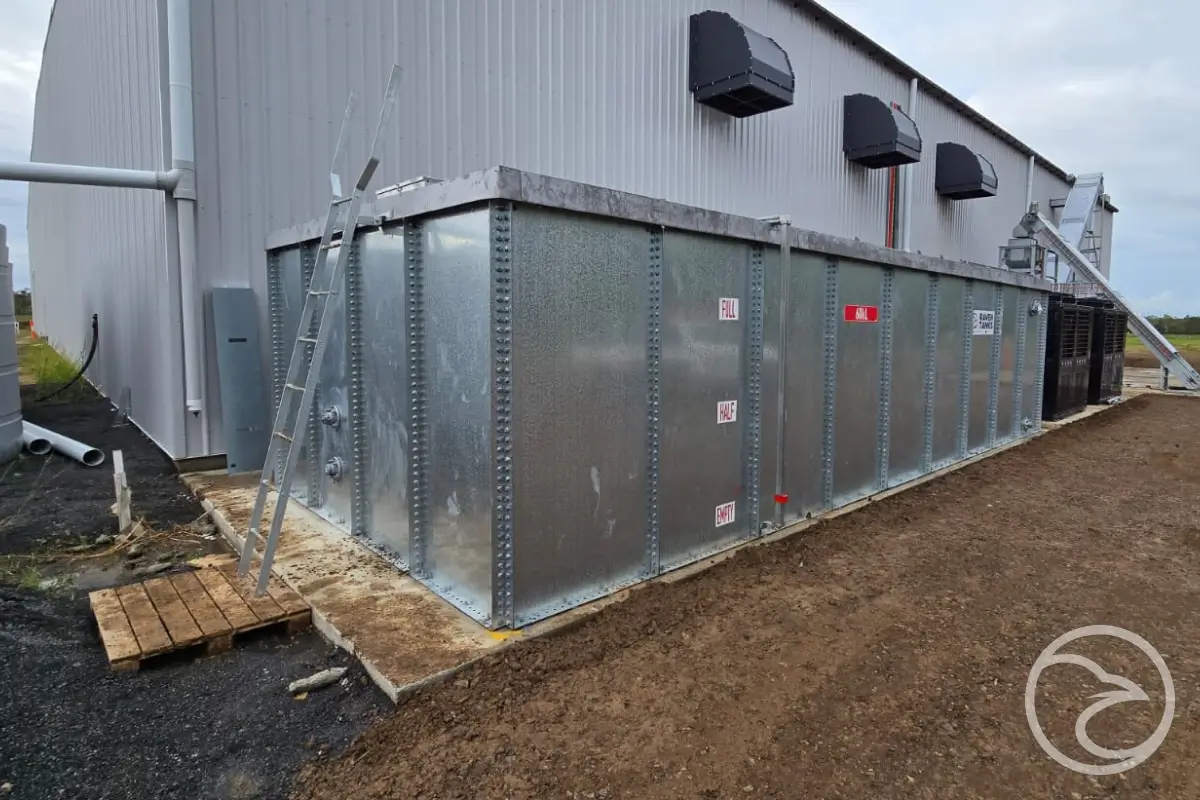
Galvanised steel water tanks are widely used across industrial and commercial applications. They are known for durability, corrosion resistance, and long service life.
However, proper maintenance is essential to keep them functioning efficiently. Without regular care, even strong materials can degrade over time.
This guide explains the maintenance of hdg water tanks and how to ensure long-term performance.
Why Maintenance is Important for HDG Tanks
HDG tanks are protected by a zinc coating. This layer prevents rust and extends the tank’s lifespan.
Over time, environmental factors can affect this protective layer. Exposure to moisture, chemicals, and debris can cause gradual wear.
Regular maintenance helps detect issues early. It also reduces repair costs and prevents system failures.
Routine Visual Inspections
Visual inspections should be performed regularly. They are the first step in identifying potential problems. Check the external surface for signs of corrosion or damage. Look for scratches, dents, or areas where the coating has worn away.
Internal inspections are equally important. These help identify sediment buildup or coating deterioration.
Schedule inspections at least twice per year. High-risk environments may require more frequent checks.
Cleaning and Sediment Removal
Over time, sediment accumulates at the bottom of the tank. This can affect water quality and reduce storage capacity. Regular tank cleaning prevents buildup and maintains system efficiency. It also helps extend the life of the internal coating.
Drain the tank before cleaning. Remove debris and wash internal surfaces carefully. Avoid using harsh chemicals during cleaning. These can damage the zinc coating and reduce protection.
Professional cleaning may be required for large systems. This ensures thorough and safe maintenance procedures.
Monitoring for Corrosion
Although galvanised steel resists corrosion, it is not immune. Certain conditions can accelerate wear over time. Pay attention to areas exposed to constant moisture. Joints and seams are especially vulnerable.
White rust may appear on the surface. This indicates early-stage corrosion of the zinc layer. If corrosion is detected, act quickly. Early treatment prevents further damage to the structure.
Protective coatings or touch-up galvanising may be applied. This restores the tank’s protective barrier.
Checking Structural Integrity
Structural integrity is critical for safe tank operation. Any weakness can lead to leaks or system failure. Inspect bolts, joints, and panel connections. Ensure all components are secure and properly aligned.
Look for signs of deformation or stress. These may indicate pressure issues or external impact.
Address structural concerns immediately. Delays can result in costly repairs or safety risks.
Maintaining Water Quality
Water quality should be monitored consistently. Poor quality can affect both the tank and its contents. Test for pH levels, bacteria, and contaminants. Imbalanced water can accelerate corrosion.
Install filtration systems if necessary. This helps maintain clean and safe water storage conditions.
Regular maintenance also includes checking inlet and outlet systems. Ensure proper flow and prevent blockages.
Protective Coatings and Liners
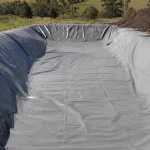
In some cases, additional protection is required. Internal liners can extend the tank’s lifespan. These liners provide an extra barrier against corrosion. They are especially useful in harsh or industrial environments.
Coatings should be inspected regularly. Damaged areas must be repaired promptly.
Choosing the right protective solution depends on usage. Consulting professionals ensures the best outcome.
Preventing External Damage
External factors can affect tank performance. Weather conditions are a common concern. Exposure to extreme temperatures may impact structural stability. UV radiation can also contribute to gradual degradation.
Protective measures can reduce these risks. Installing covers or shields helps minimize exposure. Keep the surrounding area clean and clear. Debris and vegetation can trap moisture against the tank.
This increases the risk of corrosion over time.
Maintenance Scheduling and Documentation
A structured maintenance plan is essential. It ensures all tasks are performed consistently. Create a schedule for inspections, cleaning, and repairs. This helps avoid missed maintenance activities.
Document all maintenance work. Keep records of inspections, findings, and actions taken. This information is useful for compliance and long-term planning. It also helps identify recurring issues.
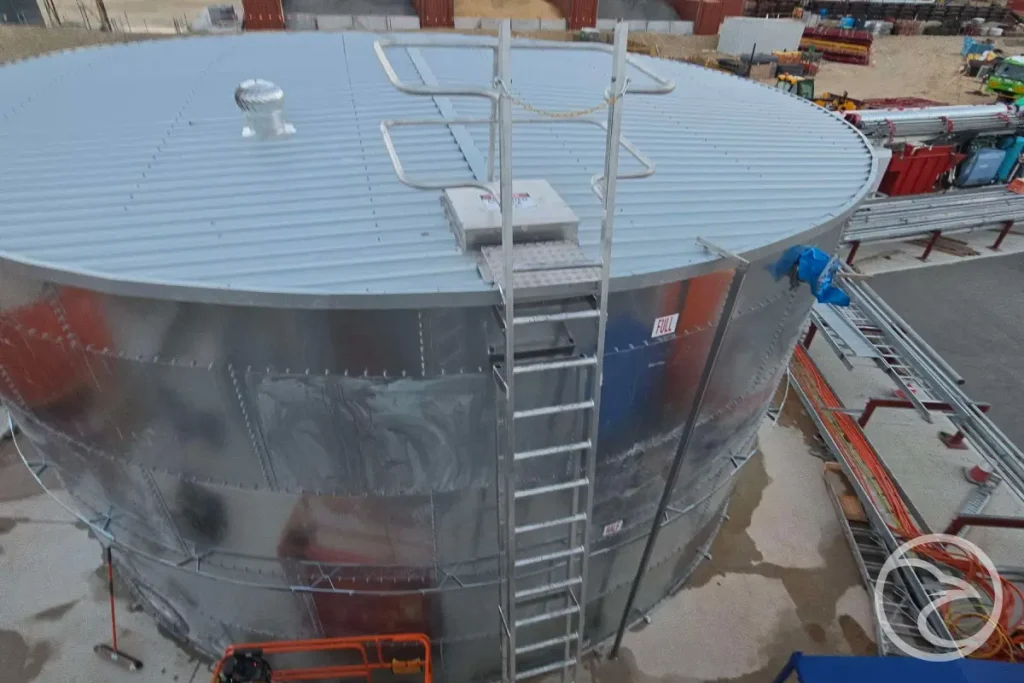
When to Seek Professional Support
Some maintenance tasks require professional expertise. Large tanks or complex systems may need specialist handling. Professionals can perform detailed inspections and repairs. They also ensure compliance with industry standards.
If major corrosion or structural issues are detected, act immediately. Delaying repairs can compromise safety and performance.
Working with experienced technicians ensures reliable results.
Common Maintenance Mistakes to Avoid
Improper maintenance can cause more harm than good. Understanding common mistakes helps prevent costly issues. Avoid using abrasive tools during cleaning. These can damage the protective zinc layer.
Do not ignore early signs of corrosion. Small issues can quickly become serious problems.
Skipping inspections is another common mistake. Regular checks are essential for long-term performance.
Using incorrect chemicals is also risky. Always choose products compatible with galvanised steel.
Final Thoughts
Galvanised steel tanks are built for durability and long service life. However, proper maintenance is essential to maximize their performance. Regular inspections, cleaning, and timely repairs make a significant difference. They help prevent damage and extend the lifespan of the system.
By following a structured maintenance plan, businesses can reduce risks. This is especially important when focusing on the maintenance of hdg water tanks in demanding environments.
Investing in maintenance is a practical and cost-effective decision.