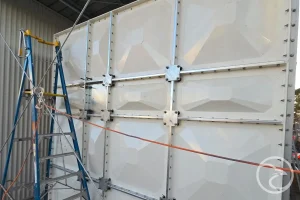
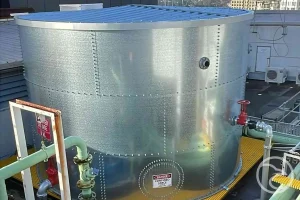
Stainless Steel Panel Tanks
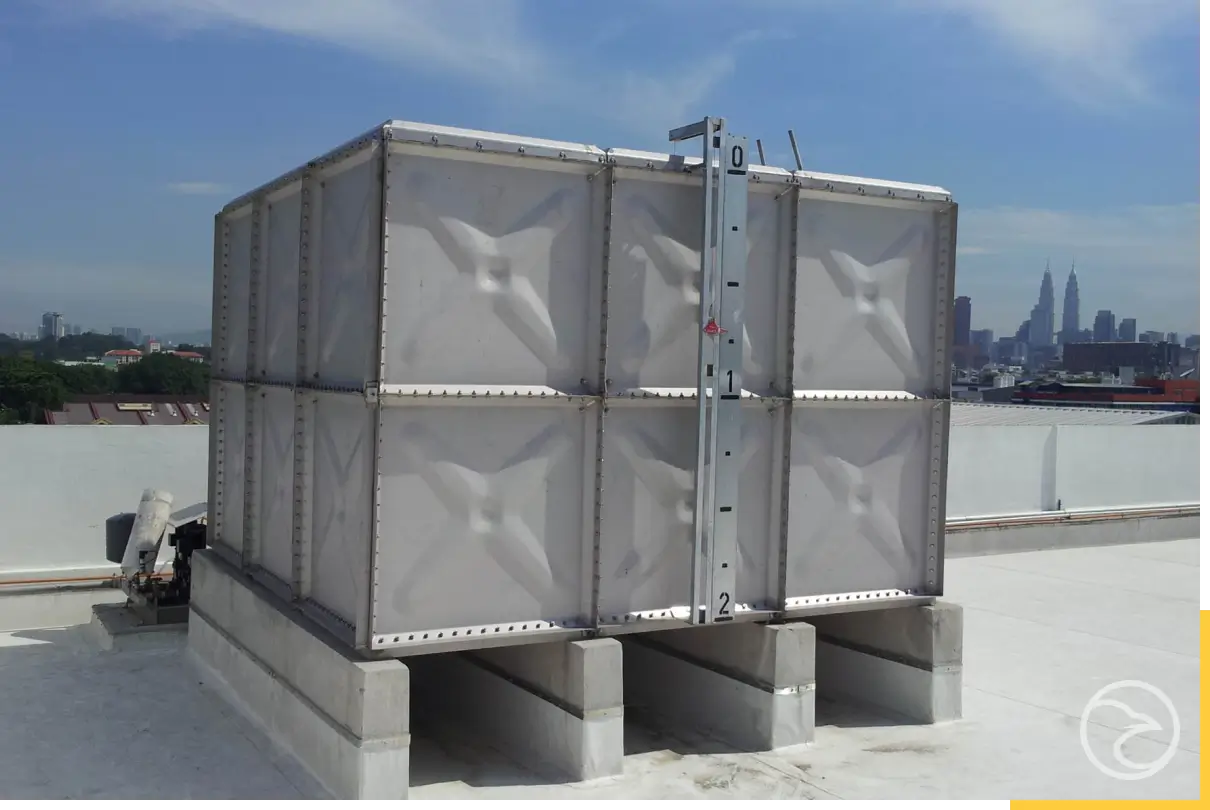
Stainless Steel Panel Tanks for Water Storage
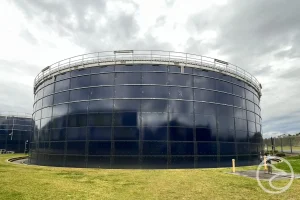
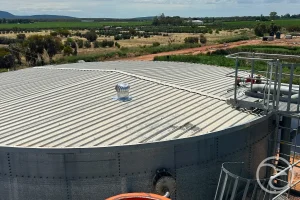
Stainless steel panel tanks are modular water storage systems assembled from durable, corrosion-resistant stainless steel panels. These sectional tanks provide flexible storage capacities and configurations for commercial, industrial, and municipal projects.
Raven American Tanks supplies stainless steel water tanks configured around specific project and site requirements. Our supply-only solutions give contractors and project teams greater control over installation and project coordination.
We supply stainless steel panel tanks for projects across the United States.
Supply-Only Stainless Steel Panel Tanks
Raven American Tanks provides supply-only stainless steel panel tanks for contractors, installers, engineers, and project teams. Our supply-only approach gives customers control over installation, scheduling, labor, and site coordination.
What Our Supply-Only Package Includes
Each stainless steel tank package is configured around project specifications, storage capacity, and site requirements.
Supply packages can include:
- Stainless steel tank panels
- Structural components
- Roof components
- Fittings and connections
- Hardware and assembly components
- Access points and openings
- Tank accessories
Stainless Steel Tank Supply for Project Teams
Our supply-only solutions support customers managing installation through their own teams or preferred contractors.
This option is well suited for:
- General contractors
- Tank installers
- Engineers
- Developers
- Municipal project teams
- Industrial project teams
Raven American Tanks supplies stainless steel panel tank systems for projects across the United States.
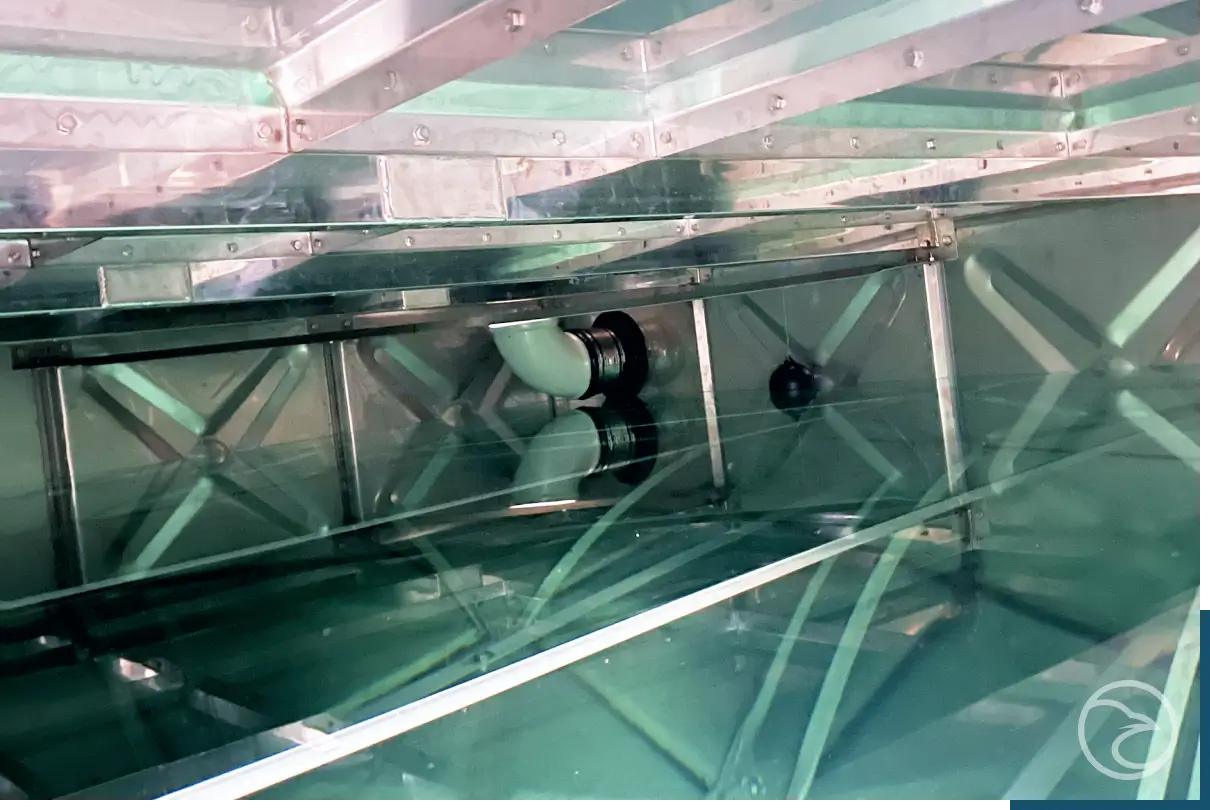
Stainless Steel Panel Tank Construction and Features
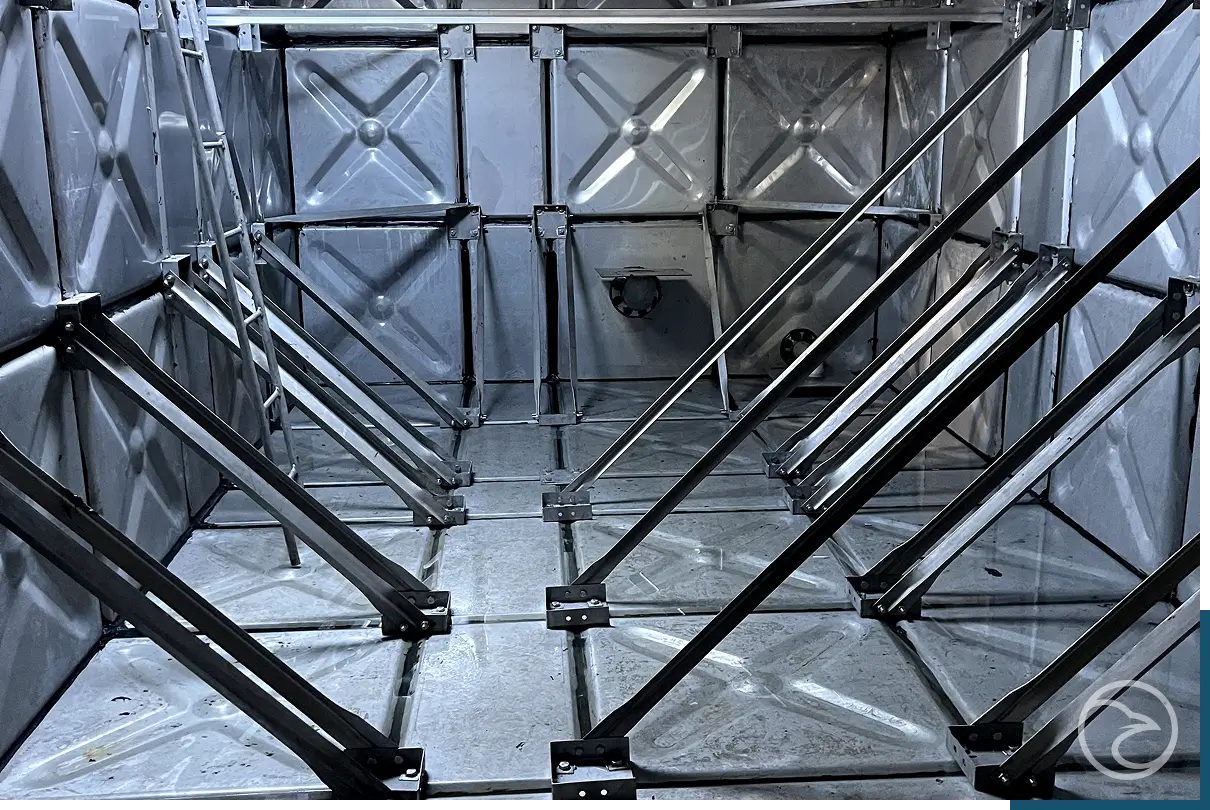
Stainless steel panel tanks use modular sections assembled into durable storage systems for a wide range of project requirements. Their sectional design provides flexibility while maintaining the strength and corrosion resistance associated with stainless steel.
| Feature | Stainless Steel Panel Tank |
|---|---|
| Modular Construction | Individual stainless steel panels create flexible tank dimensions and storage capacities. |
| Stainless Steel Material | Durable stainless steel provides strength and dependable performance for long-term storage. |
| Bolted Assembly | Bolted panel construction supports efficient on-site assembly with minimal field welding. |
| Corrosion Resistance | Stainless steel provides strong resistance to corrosion in demanding storage environments. |
| Flexible Configuration | Modular stainless steel water tanks can be configured around capacity, dimensions, and site requirements. |
| Maintenance | Durable stainless steel surfaces support straightforward cleaning and reduced maintenance requirements. |
This sectional construction makes stainless steel panel tanks adaptable to projects with different capacities, layouts, and site conditions.
Stainless Steel Grades 304 and 316
We supply stainless steel panel tanks in Grade 304 and Grade 316 to meet different project and environmental requirements.
Grade 304 Stainless Steel Tanks
Grade 304 stainless steel provides reliable corrosion resistance, durability, and strength for many standard water storage environments. It offers a cost-effective option when project conditions do not require the enhanced corrosion resistance of Grade 316.
Grade 316 Stainless Steel Tanks
Grade 316 stainless steel contains molybdenum, providing enhanced resistance to chlorides and more aggressive environmental conditions. It is often preferred for coastal, chloride-rich, and other demanding environments requiring greater corrosion protection.
The appropriate stainless steel grade depends on water quality, environmental exposure, operating conditions, and project specifications.
Benefits of Stainless Steel Panel Tanks
Stainless steel panel tanks provide durable, flexible, and low-maintenance water storage for a wide range of projects.
- Excellent corrosion resistance supports reliable performance in demanding environments.
- Long service life makes stainless steel tanks suitable for permanent water storage systems.
- Low maintenance requirements help simplify ongoing tank management.
- Hygienic stainless steel surfaces support clean and dependable water storage.
- Modular construction allows tanks to accommodate different capacities and site requirements.
- Flexible configurations support various tank dimensions, connections, and project specifications.
These benefits make stainless steel panel tanks a reliable solution for long-term water storage projects.
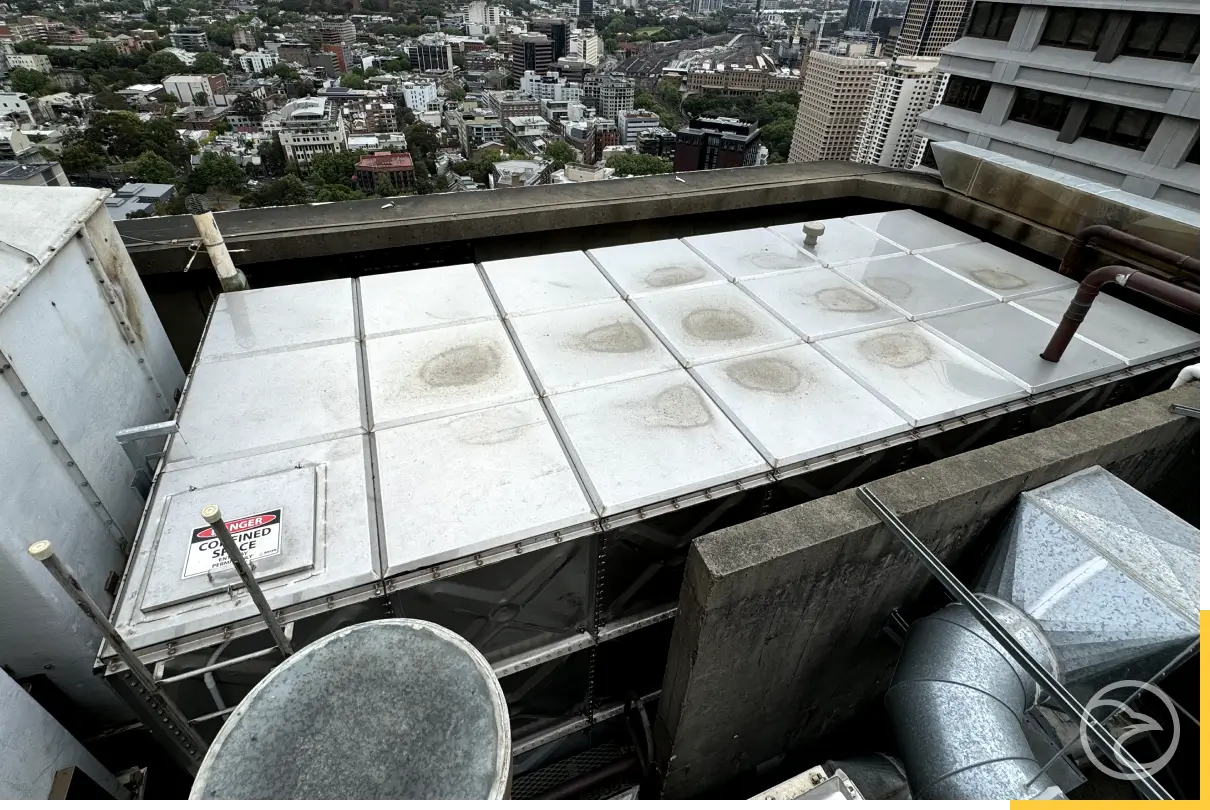
Stainless Steel Water Tank Applications
We supply stainless steel panel tanks for projects requiring durable, corrosion-resistant, and flexible water storage systems.
Potable Water Storage
We supply stainless steel panel water tanks for potable water storage in commercial, municipal, and infrastructure projects.
Commercial Water Storage
We provide modular stainless steel water tanks for commercial buildings, facilities, and other water storage requirements.
Industrial Water Storage
We supply stainless steel tanks for process water and compatible industrial water storage applications.
Fire Water Storage
We provide stainless steel panel tanks for fire water storage systems supporting commercial, industrial, and infrastructure projects.
Municipal Water Storage
We supply sectional stainless steel water tanks for municipal facilities and public infrastructure requiring dependable water storage.
Our stainless steel panel tanks can be configured around capacity, site conditions, and specific project requirements. For ongoing system reliability, explore our tank inspections services for professional tank condition assessments.
Stainless Steel Panel Tank Sizes and Configurations
We supply stainless steel panel tanks in flexible sizes and configurations to meet different storage and project requirements.
Each stainless steel water tank can be configured based on:
- Required storage capacity
- Tank dimensions
- Panel configuration
- Roof configuration
- Fittings and connections
- Access points and openings
- Tank accessories
Our supply-only approach allows contractors to select tank configurations that align with site conditions and installation requirements. Raven American Tanks provides supply-only stainless steel panel tanks for projects across the United States.
From Project Specifications to Tank Supply
Our supply-only approach provides the tank system your team needs while keeping installation under your control.
Project Requirements
We review storage capacity, tank dimensions, water storage requirements, site conditions, and project specifications.
Tank Configuration
Our team helps determine the appropriate stainless steel grade, tank configuration, connections, and required components.
Supply Package
We prepare the stainless steel panel tank system and specified components based on approved project requirements.
Delivery Coordination
We coordinate tank supply and delivery for commercial, industrial, and municipal projects across the United States.
Our supply-only approach provides the tank system your team needs while keeping installation under your control. We also provide tank liner supply for water storage projects requiring additional protection and long-term reliability.
Why Choose Raven American Tanks?
Raven American Tanks provides reliable tank solutions and professional support for projects across the United States.
- Supply-only tank solutions tailored to specific project requirements.
- Reliable products designed for demanding storage applications.
- Flexible tank options for commercial, industrial, and municipal projects.
- Experienced support throughout the tank selection and supply process.
- Solutions configured around capacity, site, and project specifications.
- Nationwide supply for projects across the United States.
Contact Raven American Tanks to discuss your project requirements and find the right tank solution for your needs.
Get a Quote for Your Stainless Steel Panel Tank
Looking for a stainless steel panel tank for your upcoming water storage project? Raven American Tanks supplies modular stainless steel tanks configured around your capacity, site conditions, and project specifications.
Contact our team today to request a quote for your supply-only stainless steel tank solution.
FAQ
What is a stainless steel panel tank?
A stainless steel panel tank uses modular stainless steel panels assembled to create a durable and flexible water storage system.
What is the difference between Grade 304 and Grade 316 stainless steel tanks?
Grade 316 provides greater resistance to chlorides and demanding environments, while Grade 304 suits many standard water storage applications.
Can stainless steel panel tanks be customized?
Yes. Tank configurations can accommodate required capacities, dimensions, connections, accessories, and other project specifications.
How to clean stainless steel tanks?
Stainless steel tanks should be drained, cleaned of sediment, washed carefully, disinfected when required, and thoroughly rinsed. Professional tank cleaning can help maintain tank hygiene, condition, and reliable long-term performance.
Nationwide Tank & Silo Services