Tank Liner Repairs: Extending Tank Lifespan

Tank Liner Repairs
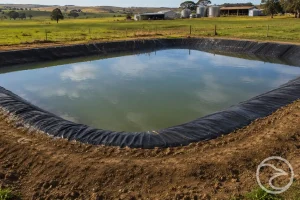
Tank liners play a critical role in preventing internal corrosion, leaks, and chemical damage inside storage tanks. Over time, liners can wear down due to chemical exposure, temperature changes, UV impact, and mechanical stress. When early signs of deterioration appear, timely tank liner repairs are essential to keep the tank safe, compliant, and operational.
At Raven American Tanks, we provide professional repair services that restore liner performance and prevent further structural damage.
If you need a broader understanding of all available lining solutions, you can review our main service overview, where the full range of protective systems is explained.
Why Tank Liner Repairs are Necessary
Even high-quality liners can degrade with frequent use or exposure to aggressive substances. Common issues include:
- cracking or tearing
- seam separation
- thinning of the membrane
- blistering or bubbling
- abrasion damage
- chemical deterioration
When left untreated, these issues can result in leaks, contamination, or structural failure of the tank. Repairing the liner early helps avoid costly tank replacements and extends the overall lifespan of the system.
How We Repair Damaged Tank Liners
Our repair process is designed to restore full containment and structural integrity:
1. Condition assessment
Technicians inspect the liner to identify defects, weak spots, and surface damage.
2. Surface preparation
The affected section is cleaned and prepared for bonding or welding.
3. Repair or patching
Small tears or cracks are patched using compatible materials engineered to withstand the stored liquid.
4. Seam reinforcement
Where needed, seams are resealed or rewelded to restore full waterproofing.
5. Liner replacement (if required)
If damage is extensive, a full liner replacement may be recommended for safety and reliability.
6. Final integrity testing
Every repair is followed by quality checks to ensure leak prevention and long-term durability.
If you need general information about other liner options, you can explore our main lining services overview.

When Should a Tank Liner be Repaired?
A repair is recommended when any of the following signs appear:
- visible cracks, thinning, or discoloration
- slow leaks or moisture behind the liner
- chemical odor escaping the tank
- seam damage or separation
- aging liners reaching end of service life
Early intervention prevents corrosion from developing behind the liner and avoids more expensive structural repairs.
Benefits of Professional Tank Liner Repair
- restores waterproofing and chemical resistance
- prevents tank contamination or product loss
- delays the need for full liner replacement
- protects the structural shell from corrosion
- reduces downtime and operational risk
- ensures compliance with safety standards
Raven American Tanks delivers reliable, cost-effective liner repairs that keep your storage systems safe and functional.

FAQ
What causes damage to tank liners?
Tank liners degrade over time due to chemical exposure, UV rays, temperature swings, and physical abrasion. These factors can lead to cracks, blisters, or separation from the tank wall, reducing containment reliability.
How can I tell if my tank liner needs repair?
Warning signs include leaks, unusual odors, discoloration of stored liquids, or visible issues such as bubbling or peeling. Regular inspections help identify problems early before major failures occur.
Can all types of liners be repaired, or do some require full replacement?
Many liners—such as PVC, EPDM, and polyurethane—can be patched if the damage is minor. However, liners with widespread wear, delamination, or chemical breakdown often need full replacement to maintain safety and compliance.
What is involved in the tank liner repair process?
Repairs typically include draining the tank, cleaning the liner, identifying problem areas, applying specialised patches, and welding or curing materials to restore strength. Testing ensures the liner is fully watertight.
Nationwide Tank & Silo Services

Our Recent Projects
Our Recent Articles