Selecting the right water storage solution can have a major impact on system performance and long-term costs. For many commercial and industrial facilities, stainless steel panel tanks offer a combination of durability, hygiene, and flexibility.
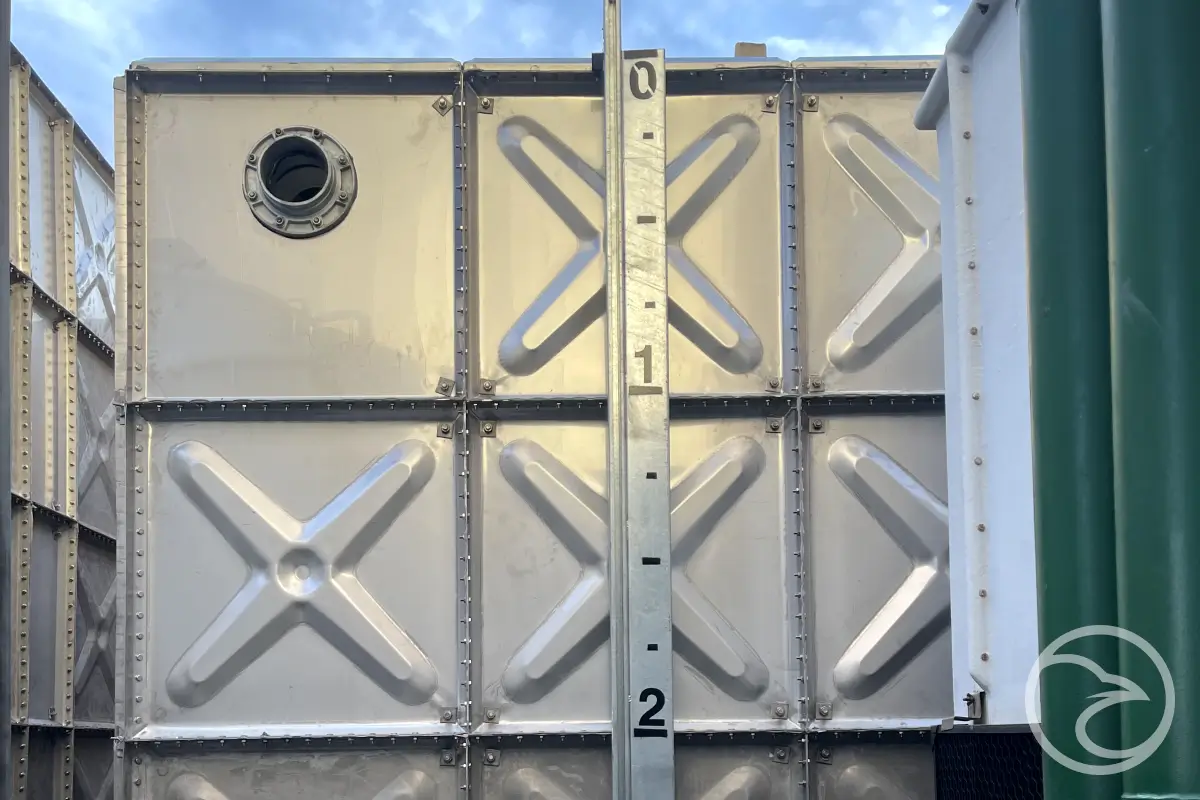
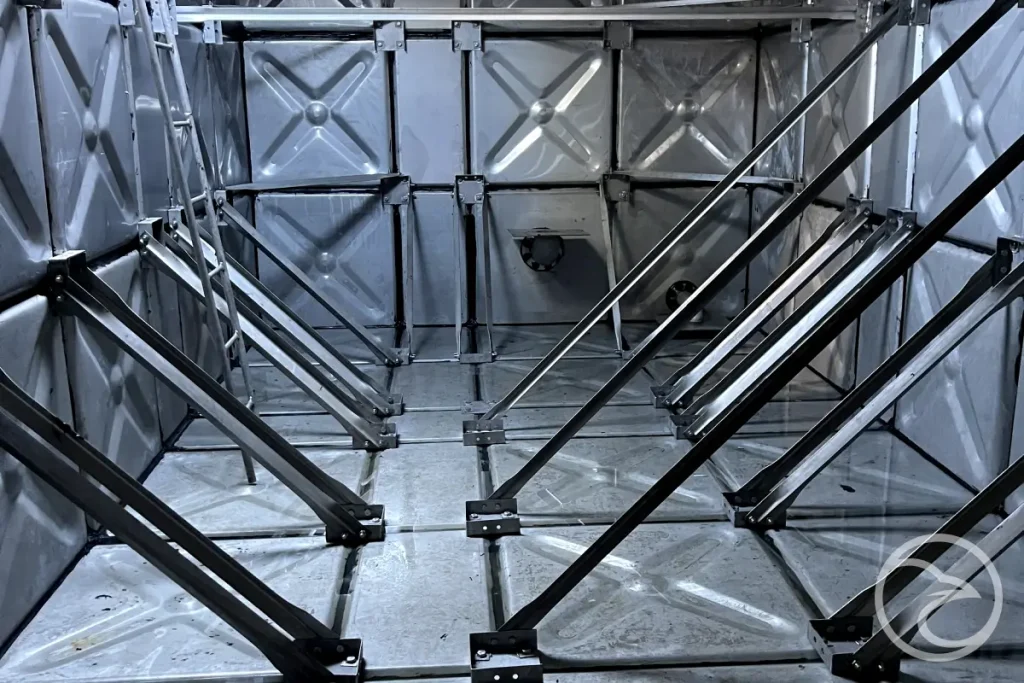
A stainless steel panel tank is constructed from modular stainless steel panels that are bolted together on-site. This design provides several advantages over traditional water storage solutions.
Here are seven key benefits that make stainless steel panel tanks a popular choice for water storage projects.
1. Superior Corrosion Resistance
Corrosion is one of the most common causes of tank deterioration. Stainless steel naturally resists rust and corrosion, even in challenging environments. This helps protect both the tank structure and stored water.
Key advantages:
- Resists rust and oxidation
- Performs well in humid conditions
- Reduces the risk of material degradation
2. Excellent Water Hygiene
Water quality is a priority for many facilities. Stainless steel is widely recognized for its hygienic properties. Its smooth surface helps prevent the buildup of contaminants and simplifies cleaning procedures.
Why it matters:
- Non-porous material surface
- Easier cleaning and maintenance
- Supports potable water storage applications
3. Long Service Life
Many organizations invest in water storage systems that can deliver reliable performance for decades. Stainless steel panel tanks are designed for long-term durability. Their resistance to corrosion helps minimize wear over time.
Long-term benefits:
- Extended operational life
- Reduced replacement frequency
- Consistent structural performance
4. Flexible Modular Design
One of the defining features of panel tanks is their modular construction. Individual panels are assembled to create the required storage capacity. This allows greater flexibility than many one-piece tank designs.
Benefits of modular construction:
- Customizable tank sizes
- Adaptable to site requirements
- Suitable for future capacity expansion
5. High Structural Strength
Water storage tanks must withstand significant internal pressure and environmental stresses. Stainless steel provides excellent strength while maintaining a relatively lightweight structure.
Structural advantages:
- Strong panel construction
- Reliable load distribution
- Suitable for demanding environments
6. Lower Lifecycle Costs
Initial purchase price is only one part of the total investment. Maintenance, repairs, and replacement costs also affect long-term value. Because stainless steel resists corrosion, facilities often experience lower maintenance requirements throughout the tank’s service life.
Cost-saving benefits:
- Fewer repairs
- Reduced maintenance demands
- Lower total cost of ownership
For additional maintenance insights, read our guide on stainless steel panel tank maintenance for long-term performance.
7. Sustainable Material Choice
Sustainability is becoming an important consideration for many infrastructure projects. Stainless steel is highly recyclable and can remain in service for many years. This helps reduce material waste and replacement needs.
Environmental benefits:
- Recyclable material
- Long operational lifespan
- Reduced resource consumption
Conclusion
Stainless steel panel tanks continue to be a preferred solution for commercial and industrial water storage. Their corrosion resistance, durability, hygiene, and modular design provide significant long-term advantages.
When evaluating water storage options, a stainless steel tank can offer reliable performance and long-term value. If you are comparing different tank materials, explore our article galvanized vs stainless steel panel tanks for a detailed comparison.