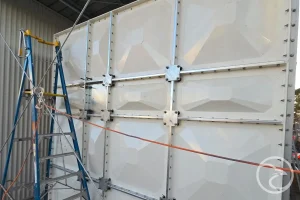
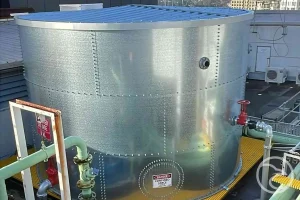
Drone Tank Inspections & ROV Tank Inspections
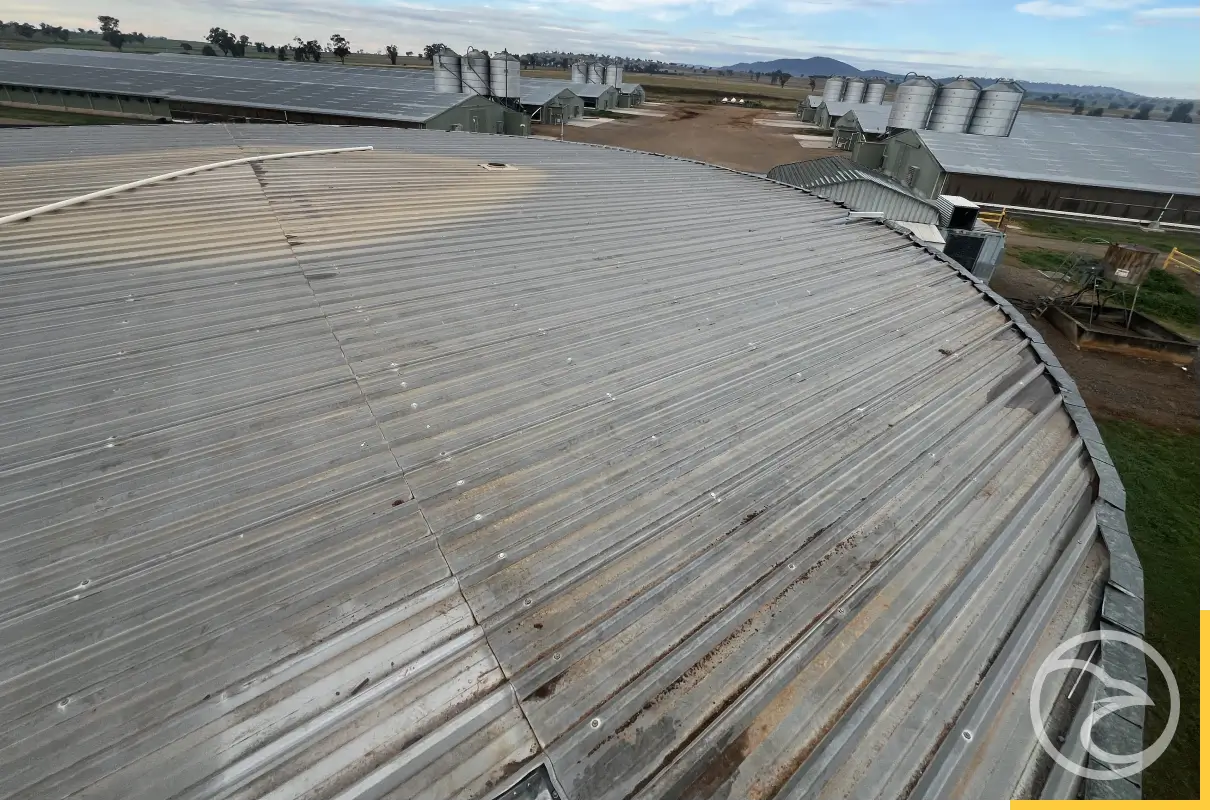
Professional Drone and ROV Tank Inspection Services
Drone Tank Inspections use advanced aerial technology to inspect tanks safely, quickly, and accurately. These inspections identify corrosion, coating damage, structural defects, and other issues without scaffolding or confined space entry.
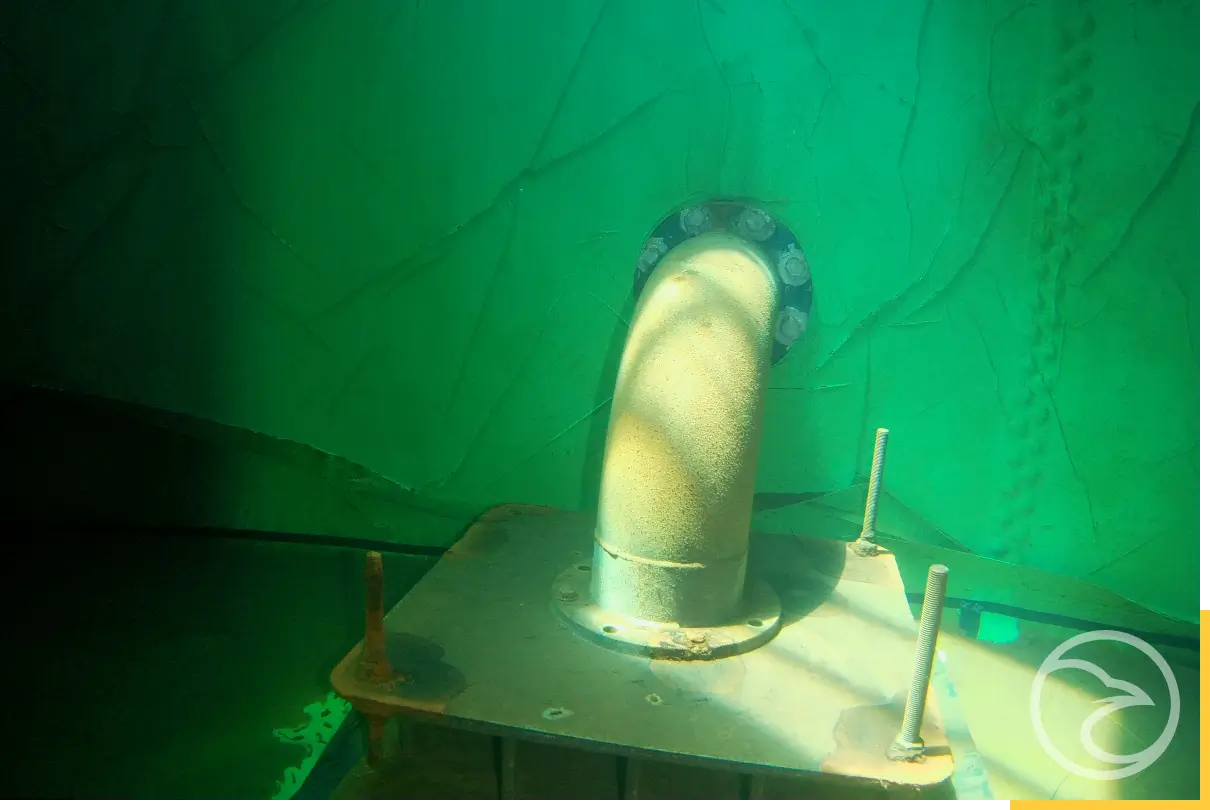
ROV Tank Inspections use remotely operated underwater vehicles to inspect submerged tank interiors without draining the asset. This method evaluates floors, walls, liners, sediment, and structural conditions while keeping tanks in service.
Raven American Tanks performs drone and ROV tank inspections in accordance with applicable industry standards and project requirements. We support municipal, industrial, commercial, and fire protection facilities across the United States.
Drone Tank Inspection Services
Our drone tank inspection services deliver fast, detailed assessments while reducing safety risks and operational downtime. Raven American Tanks uses advanced UAV technology to inspect above-ground storage tanks across the United States.
External Tank Structure
We inspect tank walls, roofs, welds, seams, ladders, platforms, and other accessible structural components for visible damage.
Corrosion and Coating Assessment
Our UAV tank inspection identifies corrosion, coating failures, rust, and surface deterioration before they become costly repairs.
Roof and Elevated Component Inspections
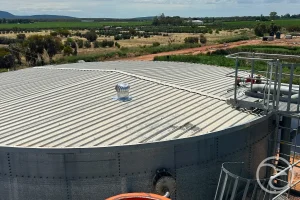
Tank inspection by drone provides clear aerial access to roofs and elevated structures without scaffolding or confined space entry.
High-Resolution Imaging and Mapping
Our aerial tank inspection captures high-resolution images and detailed visual data for accurate condition reporting and maintenance planning.
Reporting and Maintenance Recommendations
Every inspection includes detailed findings, photographic evidence, and practical recommendations to support maintenance and compliance planning.
UAV tank inspection are part of our comprehensive tank inspection services, helping facility owners maintain safe and reliable storage assets.
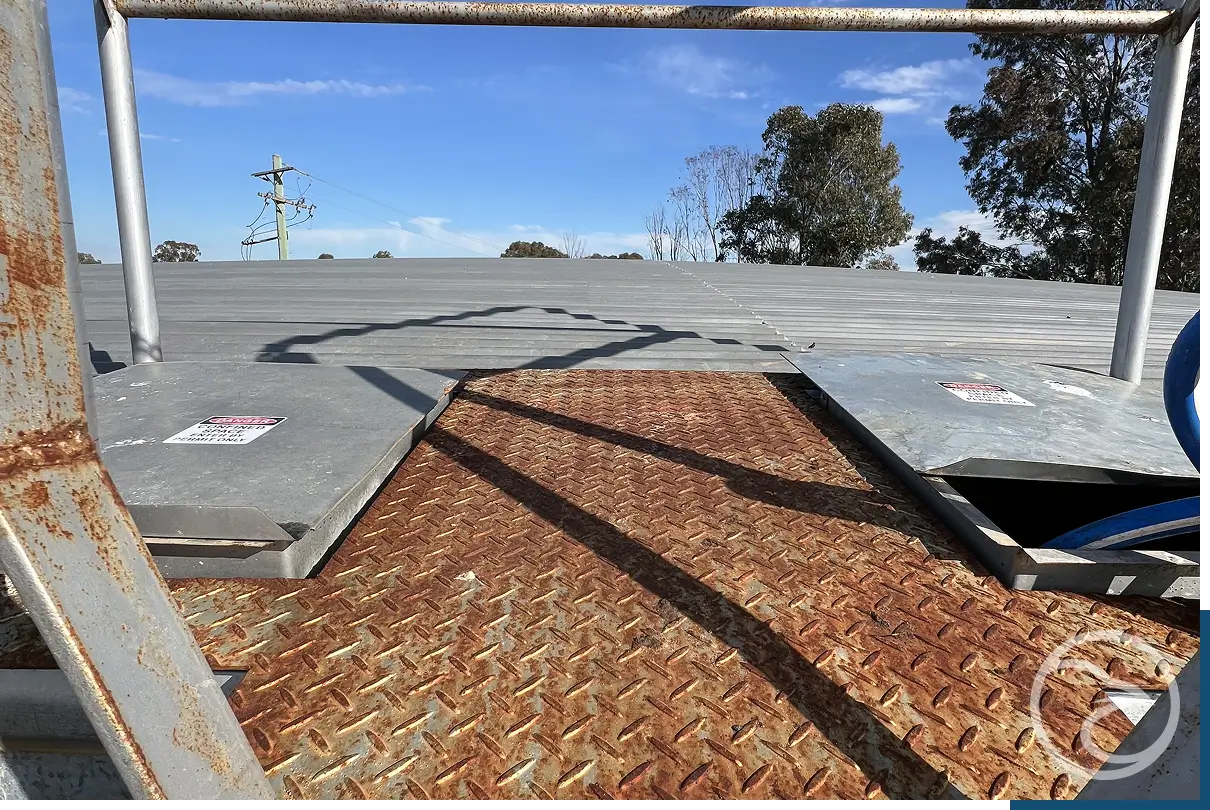
Fast and Non-Disruptive UAV Tank Inspection
Drone tank inspections provide a faster and safer alternative to traditional inspection methods while minimizing operational interruptions.
- No scaffolding or elevated work platforms required
- No confined space entry for exterior inspections
- Minimal disruption to daily operations
- Rapid data collection and faster project completion
- Reduced labor costs and site preparation
- High-quality aerial images for accurate assessments
Raven American Tanks helps facility owners complete inspections efficiently while keeping tanks operational whenever possible.
Tanks We Inspect with Drone Technology
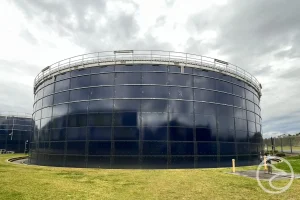
Our drone tank inspection services support a wide range of storage tanks across municipal, commercial, industrial, and utility facilities.
Fire Water Tanks
We inspect fire water tanks for corrosion, roof damage, coating failures, and other visible structural issues.
Potable Water Tanks
Our aerial inspections help assess potable water tanks while minimizing operational disruption and safety risks.
Industrial Storage Tanks
We inspect industrial storage tanks to identify surface defects, structural deterioration, and maintenance priorities.
Wastewater Tanks
Drone inspections provide safe visual access to wastewater tanks and other difficult-to-reach exterior structures.
Steel and Concrete Tanks
Our UAV inspection services support steel and concrete tanks of various sizes, configurations, and operating environments.
If our inspection identifies defects, explore our water tank refurbishment services for professional repair and restoration solutions.
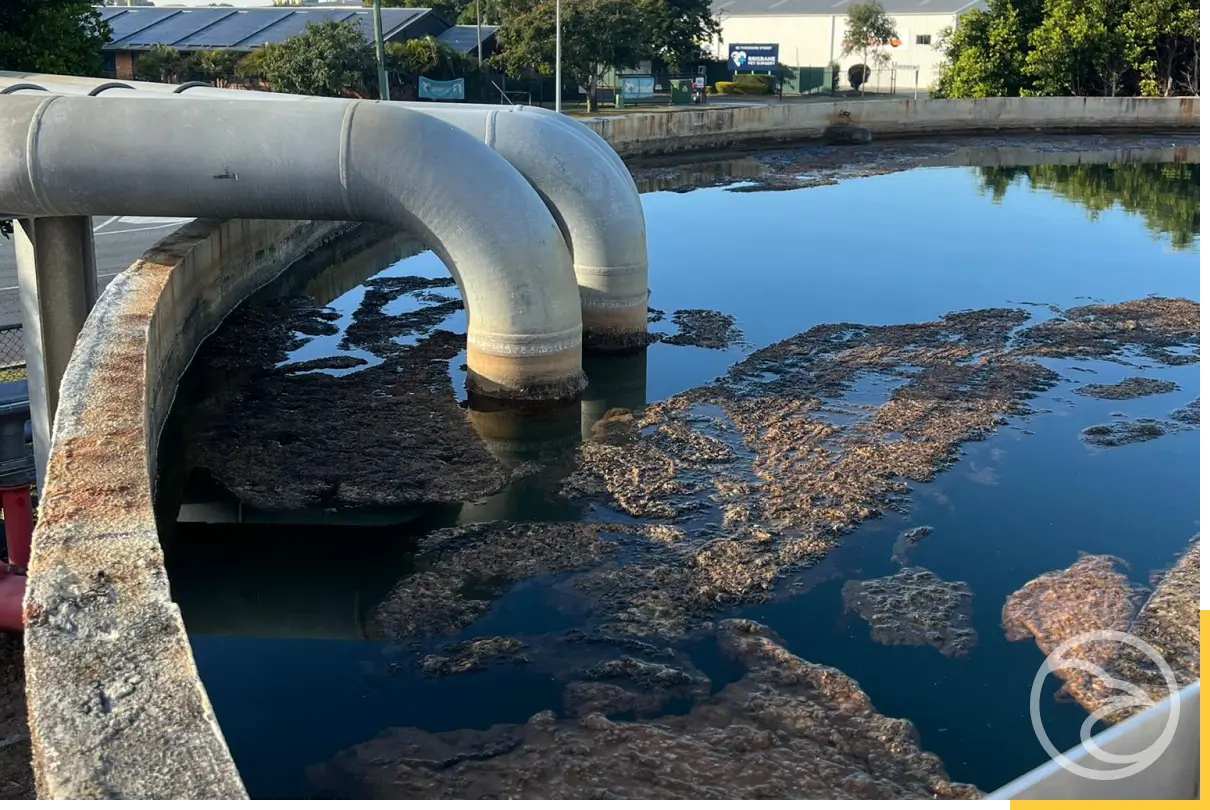
Our Drone Tank Inspection Process
Every drone tank inspection follows a structured process to deliver accurate findings with minimal disruption to your operations.
Site Assessment
We review the tank location, site conditions, and inspection objectives before planning the mission.
Flight Planning
Our team develops a safe flight plan that complies with site requirements and applicable aviation regulations.
Drone Data Collection
Certified operators capture high-resolution images and videos from all accessible external tank surfaces.
Data Review and Analysis
Our specialists analyze the collected data to identify corrosion, coating failures, structural damage, and other visible defects.
Inspection Report
You receive a detailed inspection report with photographs, findings, and maintenance recommendations to support informed asset management decisions.
Raven American Tanks provides professional drone tank inspection services for facilities throughout the United States.
Drone Tank Inspections vs. ROV Tank Inspections
Drone and ROV tank inspections serve different purposes. The comparison below helps you choose the right inspection method for your tank.
| Feature | Drone Tank Inspections | ROV Tank Inspections |
|---|---|---|
| Inspection Area | External tank surfaces | Internal submerged tank areas |
| Technology | UAV (Unmanned Aerial Vehicle) | ROV (Remotely Operated Vehicle) |
| Best For | Roofs, walls, coatings, structural components | Floors, liners, submerged walls, sediment |
| Tank Status | No interruption to operations | No tank draining required |
| Primary Benefits | Safe access to elevated areas | Safe underwater inspection without confined space entry |
| Typical Findings | Corrosion, coating damage, structural defects | Sediment buildup, liner damage, underwater corrosion |
| Industries | Municipal, industrial, commercial, fire protection | Municipal water, wastewater, industrial, fire protection |
The right inspection method depends on your tank’s condition, design, and operational requirements. For a more detailed comparison, read our guide on drone vs. ROV tank inspections to determine the best solution for your facility.
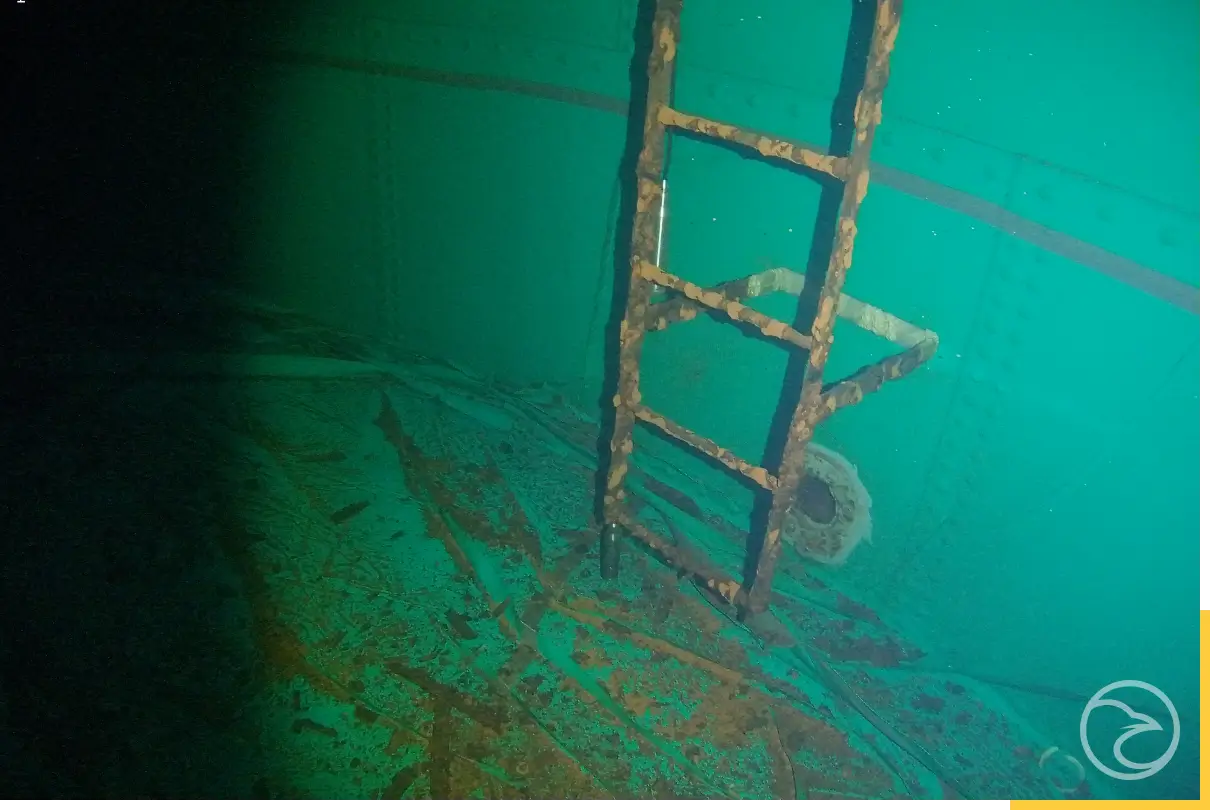
ROV Tank Inspection Services
Our underwater rov inspection services provide detailed underwater assessments without draining the tank or interrupting normal operations.
Underwater Structural Inspections
Our underwater ROV inspection evaluates submerged walls, floors, and structural components for visible defects and deterioration.
Liner and Coating Assessments
We inspect liners and protective coatings for damage, separation, wear, and other signs of deterioration.
Sediment and Debris Evaluation
Our underwater drone inspection identifies sediment buildup, debris, and other conditions that may require professional tank cleaning services.
Corrosion and Defect Detection
Remote operated vehicle tank inspection helps detect underwater corrosion, cracks, joint failures, and structural damage.
High-Definition Video Reporting
Every submersible drone inspection includes high-definition video, images, and a detailed report with maintenance recommendations.
Raven American Tanks delivers professional underwater ROV inspection services for municipal, commercial, and industrial facilities throughout the United States.
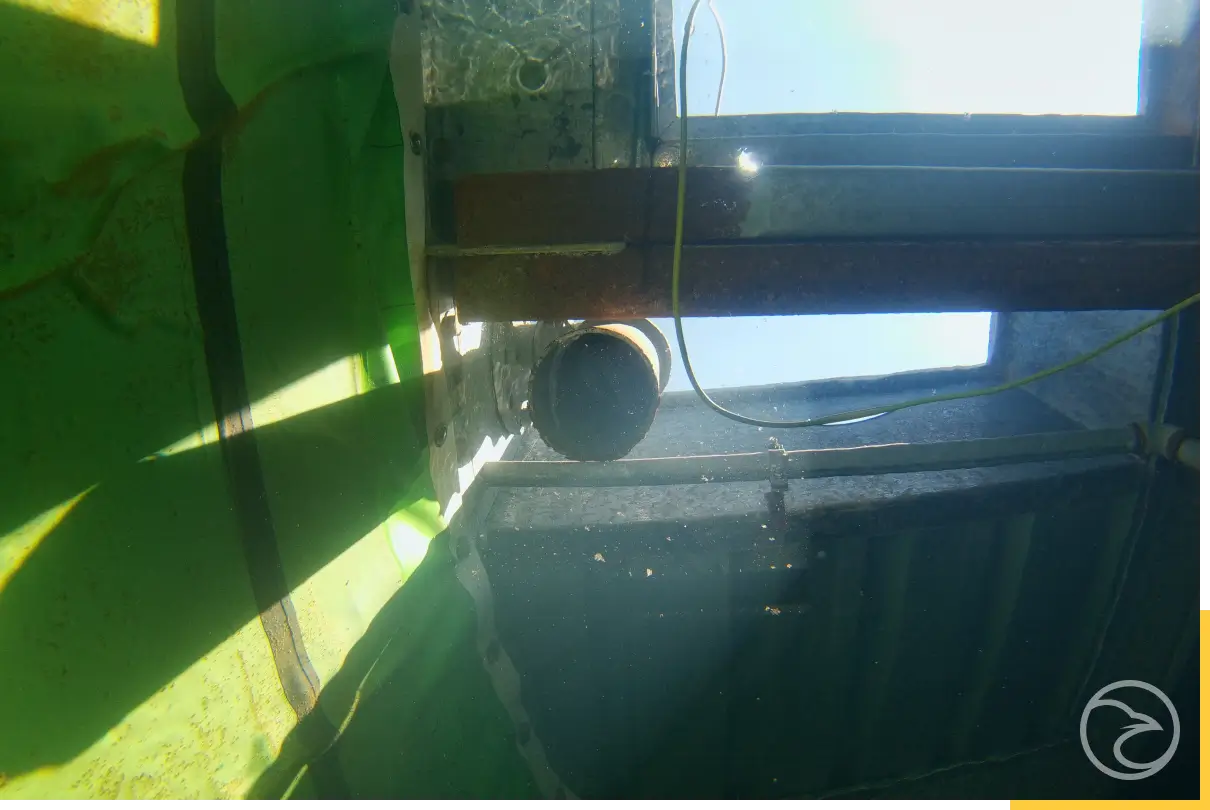
Benefits of ROV Tank Inspections
ROV tank inspections provide a safe and efficient way to assess submerged tank conditions while reducing operational disruption.
- No tank draining required
- Minimal impact on daily operations
- Safe inspections without confined space entry
- Accurate underwater visual assessments
- High-definition video and image capture
- Early detection of corrosion and structural defects
- Reduced inspection time and maintenance costs
- Reliable data for maintenance planning and compliance decisions
Underwater ROV inspection provide a reliable and highly efficient solution for evaluating submerged tank conditions while minimizing operational disruption.
When Should You Schedule an ROV Tank Inspection?
Scheduling regular ROV tank inspections helps identify underwater issues early, reduce repair costs, and support long-term asset reliability.
- Before scheduled maintenance or refurbishment projects
- During routine compliance and condition assessments
- After severe weather or flooding events
- When structural damage or leaks are suspected
- Before returning a tank to full operation
- As part of a preventive maintenance program
Raven American Tanks helps facility owners determine the right inspection schedule based on tank condition, operational requirements, and maintenance goals.
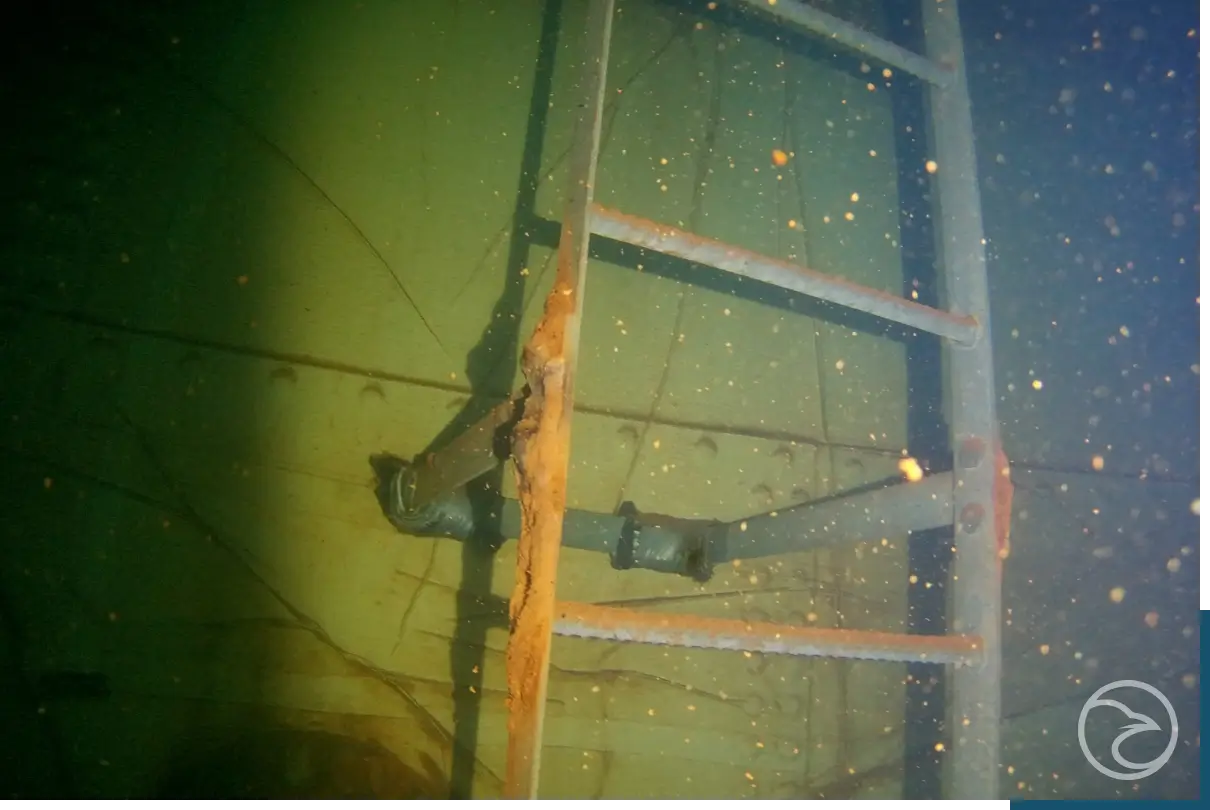
Comprehensive Inspection Reports and Maintenance Recommendations
Every inspection includes detailed documentation to help you understand your tank condition, prioritize repairs, and plan future maintenance.
- Comprehensive inspection reports with high-resolution images and video
- Detailed condition assessments for structural components, coatings, and liners
- Clear maintenance recommendations based on inspection findings
- Repair recommendations to address identified defects and deterioration
- Asset condition documentation for maintenance records and compliance support
- Preventive maintenance planning to extend service life and reduce future repair costs
- Priority rankings to help schedule maintenance and refurbishment activities
- Professional guidance from experienced tank inspection specialists
Raven American Tanks provides practical inspection data that supports informed maintenance decisions and long-term asset management across every stage of the tank lifecycle.
Why Choose Raven American Tanks
Raven American Tanks combines advanced inspection technology with practical industry expertise to deliver reliable tank condition assessments across the United States.
- Advanced drone and ROV inspection technology
- Experienced tank inspection specialists
- Comprehensive reports with actionable recommendations
- Maintenance planning and refurbishment guidance
- Safe inspections with minimal operational disruption
- Nationwide service across the United States
Choose Raven American Tanks for accurate inspections, practical maintenance guidance, and dependable support throughout your tank’s service life.
Advanced Inspection Solutions for Every Tank
Whether inspecting exterior structures or submerged components, our UAV tank inspection and ROV technologies deliver accurate results with minimal disruption. Contact Raven American Tanks to schedule an inspection tailored to your facility.
FAQ
What is the difference between drone and ROV tank inspections?
Drone tank inspections evaluate exterior tank components, while ROV tank inspections assess submerged interior areas without draining the tank.
Do drone tank inspections require tank shutdown?
In most cases, drone inspections can be completed without interrupting normal operations or affecting tank availability.
What types of tanks can you inspect?
We inspect fire water tanks, potable water tanks, industrial storage tanks, wastewater tanks, and other above-ground storage tanks.
Can you perform repairs after identifying defects?
Yes. If defects are identified, we can recommend appropriate repair solutions and support your water tank refurbishment project.
Do you provide inspection services throughout the United States?
Yes. Raven American Tanks provides drone and underwater rov inspection services for municipal, commercial, and industrial facilities across the United States.
Nationwide Tank & Silo Services