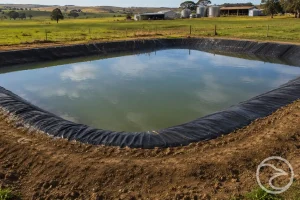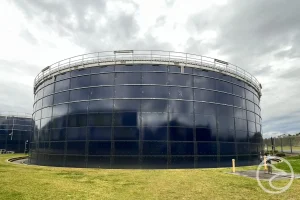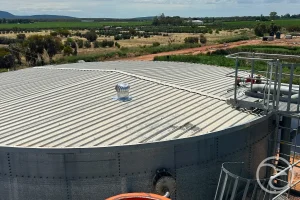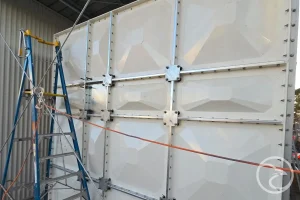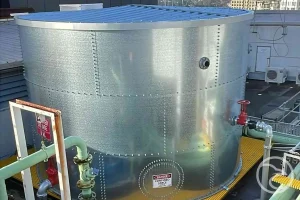
Raw Water Tank Repairs
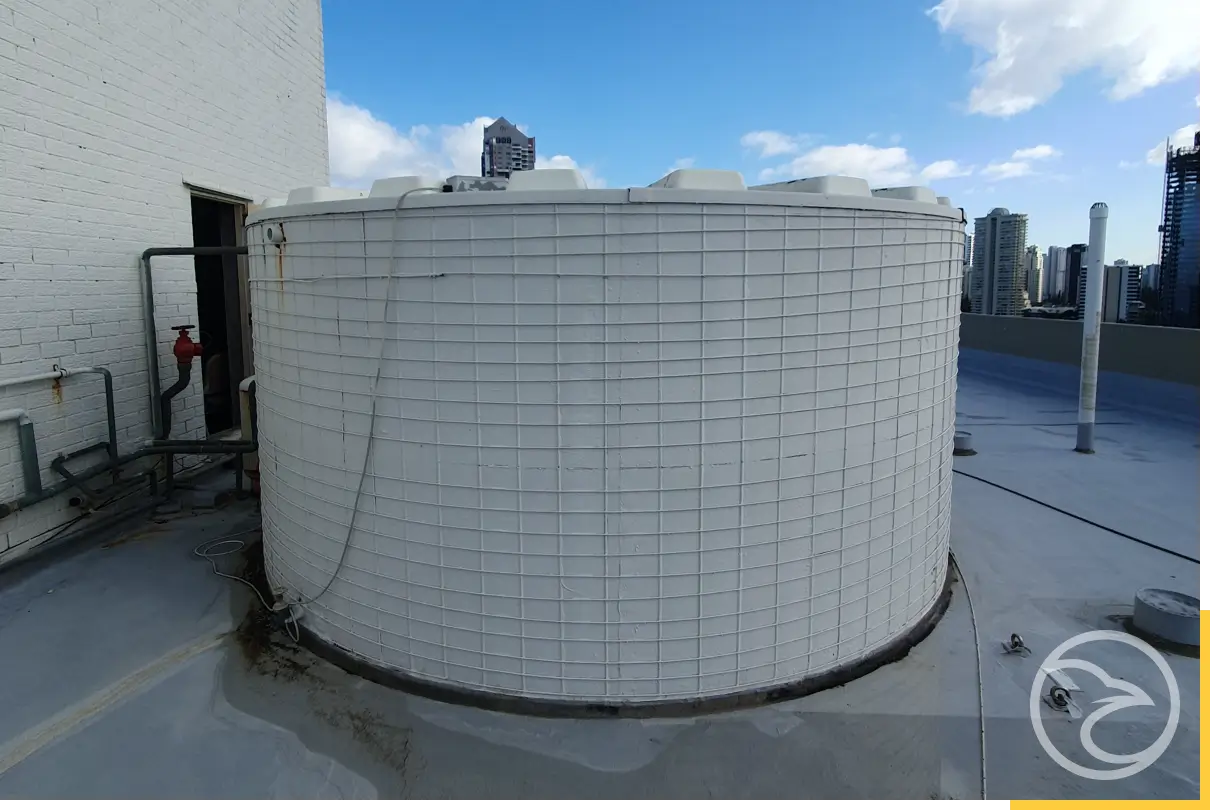
Raw Water Tank Repairs for Industrial Facilities
Raw water tanks are constantly exposed to corrosion, coating deterioration, and structural wear. Raven American Tanks provides professional repair solutions that restore tank reliability and extend operational service life.
We repair raw water storage tanks for industrial, municipal, manufacturing, energy, agricultural, and processing facilities nationwide.
Our repair projects follow recognized industry standards and are designed to minimize downtime, improve safety, and protect critical infrastructure assets.
Request a professional inspection and repair quote today.
Reliable Raw Water Tank Repair Services
Corrosion, leaks, and coating failure can quickly compromise raw water tanks. We deliver repair solutions that reduce downtime and extend service life.
We repair:
- Corroded tank floors
- Tank wall corrosion
- Tank roof deterioration
- Raw water tank leaks
- Failed joints and seams
- Internal coating failure
- Structural steel damage
- Bolted and welded tank defects
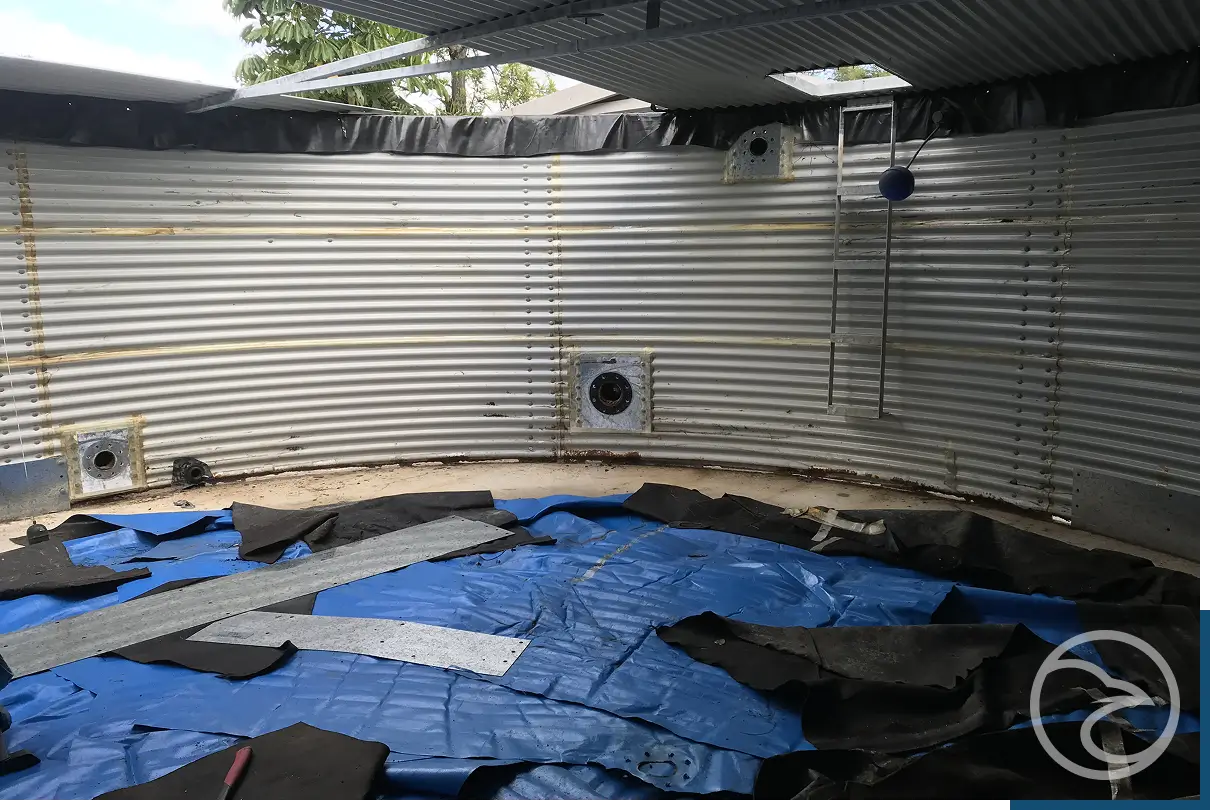
Every repair plan is designed to reduce operational disruption and maximize long-term performance through professional industrial tank repair solutions.
Why Choose Raven American Tanks
Raven American Tanks delivers reliable raw water tank repair solutions for industrial facilities across the United States:
- Nationwide raw water tank repair services
- Repairs completed to industry standards
- Experienced industrial field crews
- Minimal operational disruption
- Long-term repair solutions
We help facilities reduce downtime and extend tank service life.
Common Raw Water Tank Problems We Repair
Raw water tanks are constantly exposed to corrosion, leaks, and structural deterioration:
- Repairing corrosion damage and deteriorated raw tank surfaces
- Identifying and repairing raw water tank leaks
- Restoring failed internal coating systems
- Reinforcing damaged structural tank components
- Repairing deteriorated raw tank floors and roofs
- Restoring above-ground raw water storage tanks
Prevent costly failures with professional raw water tank repair and tank refurbishment solutions.
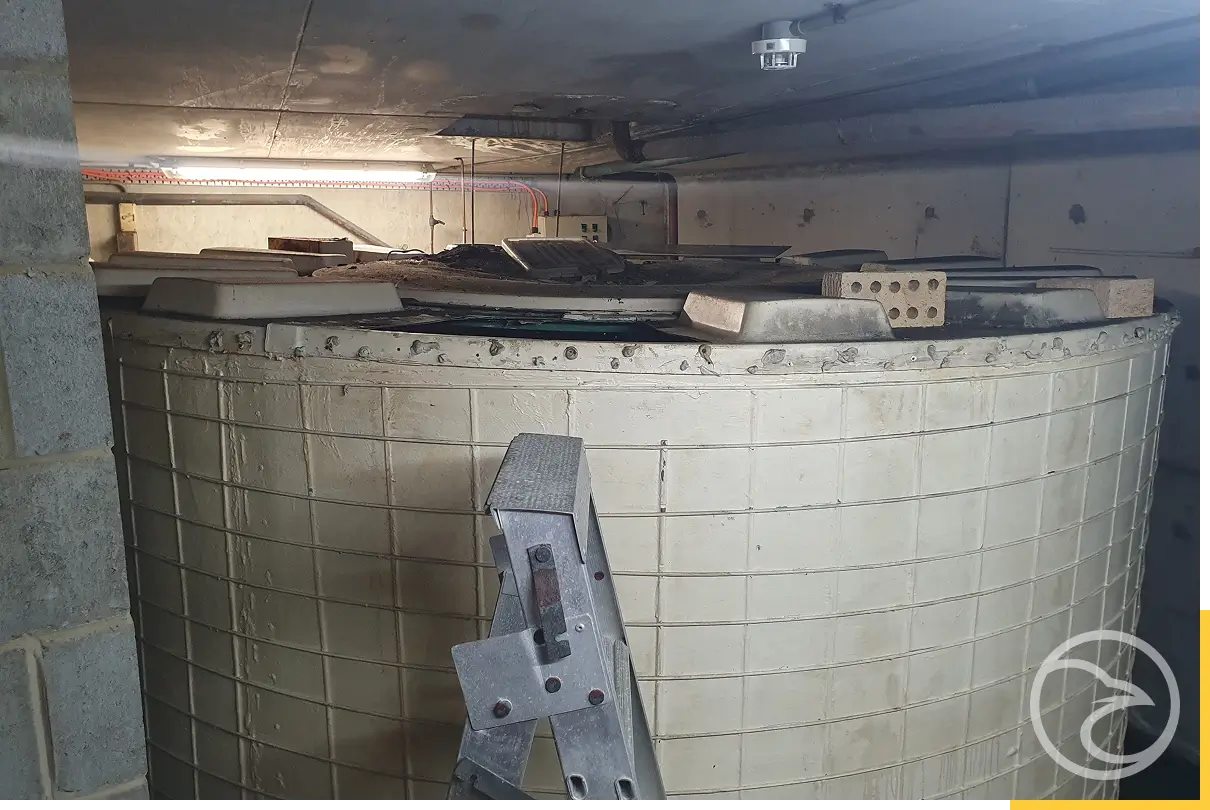
Our Raw Water Tank Repair Process
Our repair process is designed to restore tank integrity with minimal operational disruption:
- Raw tank inspections and condition assessments
- Corrosion and leak identification
- Structural and coating repairs
- Protective restoration solutions
- Final safety and performance evaluations
We provide professional tank inspections before developing repair recommendations.
Emergency Raw Water Tank Repairs
Raven American Tanks provides rapid-response repair services for urgent leaks, corrosion, and structural damage.
Emergency services include:
- Active leak repairs
- Corrosion stabilization
- Structural reinforcement
- Temporary containment solutions
- Critical failure response
Fast emergency repairs help reduce downtime and prevent larger structural failures.
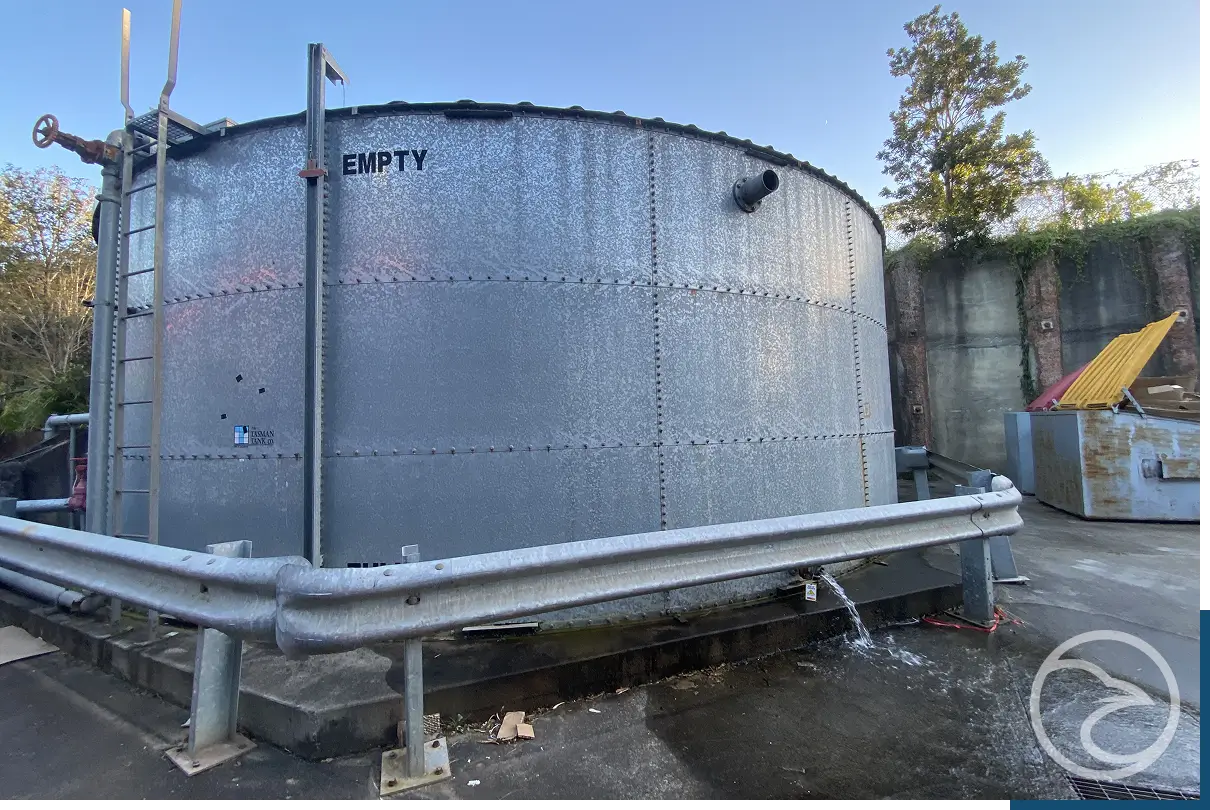
Request a Raw Water Tank Repair Quote
Delaying raw water tank repairs can lead to increased corrosion, structural deterioration, and higher restoration costs. Raven American Tanks provides professional raw water tank repair services for industrial and municipal facilities across the United States.
Schedule a professional inspection to identify damage early and restore long-term tank performance.
FAQ
What causes raw water tank corrosion?
Raw water contains minerals, sediment, and contaminants that accelerate internal steel deterioration over time.
Can leaking raw water tanks be repaired?
Yes. Many leaks can be repaired before full structural replacement becomes necessary.
How do I know if my raw water tank needs repairs?
Visible corrosion, leaks, coating failure, rust staining, and structural deformation are common warning signs.
What types of raw water tanks do you repair?
We repair welded steel tanks, bolted tanks, industrial storage tanks, and above-ground raw water systems.
Nationwide Tank & Silo Services

Our Recent Projects
Our Recent Articles