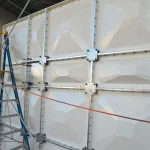
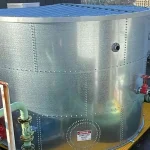
Choosing the right material is one of the most important decisions when specifying a water storage tank. The material affects service life, maintenance costs, water quality, and long-term performance. It also influences the total cost of ownership over decades of operation.
Galvanized steel and stainless steel are two of the most common options for commercial and industrial water storage. Both offer excellent strength, but they perform differently under specific operating conditions.
A galvanized tank provides reliable protection through a zinc coating. Stainless steel relies on its alloy composition to resist corrosion without additional coatings. Neither material is the best choice for every project.
The right option depends on factors such as water chemistry, installation environment, maintenance expectations, and available budget. This guide compares galvanized and stainless steel water tanks across the factors that matter most to engineers, contractors, facility managers, and project owners.
You’ll learn how the two materials differ in:
- Corrosion resistance
- Service life
- Maintenance requirements
- Water quality
- Installation costs
- Long-term value
- Typical applications
By the end, you’ll have a clearer understanding of which tank material best suits your project requirements.
Understanding the two Materials
Before comparing performance, it’s helpful to understand how each material protects itself against corrosion. Although both tanks are made from steel, they use different methods to achieve durability.
Galvanized Steel Water Tanks
Galvanized steel is carbon steel coated with a layer of zinc through a hot-dip galvanizing process. The zinc coating acts as a protective barrier between the steel and the surrounding environment.
If the coating is scratched, nearby zinc can continue protecting the exposed steel through sacrificial corrosion. This protective layer makes galvanized tanks suitable for many outdoor applications.
They are commonly used for:
- Fire water storage
- Agricultural water
- Irrigation systems
- Stormwater collection
- Industrial process water
Galvanized tanks are valued for their balance of strength, durability, and affordability. However, the zinc coating gradually wears over time, especially in aggressive environments. Businesses looking for a durable and cost-effective solution for fire protection, agricultural, or industrial water storage can also explore our HDG water tanks, which combine hot-dip galvanized steel construction with modular design for long-term performance in demanding commercial environments.
Stainless Steel Water Tanks
Stainless steel contains chromium, which forms a thin passive oxide layer on the metal surface. Unlike zinc coatings, this protective layer repairs itself when exposed to oxygen.
This gives stainless steel excellent corrosion resistance without additional surface treatments.
The most common grades include:
- 304 stainless steel for general water storage
- 316 stainless steel for coastal or highly corrosive environments
Stainless steel tanks are widely used where hygiene and water quality are critical.
Typical applications include:
- Potable water storage
- Food and beverage facilities
- Pharmaceutical manufacturing
- Hospitals
- High-purity industrial processes
Although stainless steel usually has a higher purchase price, it often requires less maintenance throughout its service life.
Quick Comparison at a Glance
The table below highlights the main differences between galvanized and stainless steel water tanks.
| Feature | Galvanized Steel Tanks | Stainless Steel Tanks |
|---|---|---|
| Initial cost | Lower | Higher |
| Service life | Long with proper maintenance | Very long with minimal maintenance |
| Corrosion resistance | Good in most environments | Excellent, especially in harsh conditions |
| Potable water suitability | Suitable in many cases, depending on water chemistry | Excellent for drinking water |
| Maintenance | Regular inspections recommended | Generally lower maintenance |
| Resistance to coastal environments | Moderate | Excellent, especially Grade 316 |
| Repairability | Protective coating can often be repaired | Repairs require specialised welding |
| Appearance | Industrial finish that changes over time | Clean, modern appearance |
| Best suited for | Fire protection, agriculture, industrial water | Drinking water, food processing, healthcare |
Neither material outperforms the other in every category. Galvanized steel offers a cost-effective solution for many commercial and industrial applications. Stainless steel provides superior corrosion resistance and lower maintenance over the long term.
The best choice depends on your operating environment, water quality requirements, expected service life, and available budget.
Corrosion Resistance
Corrosion is one of the biggest factors affecting the lifespan of a water storage tank. The way each material resists corrosion is fundamentally different. Understanding these differences helps determine which option is better for your project.
How Galvanized Steel Resists Corrosion
Galvanized tanks are protected by a zinc coating applied during the hot-dip galvanizing process. This coating creates a barrier that prevents moisture and oxygen from reaching the underlying steel.
The zinc also provides sacrificial protection. If a small section becomes damaged, the surrounding zinc corrodes first. This helps protect the exposed steel beneath.
This system performs well in many environments, including:
- Inland commercial sites
- Agricultural properties
- Industrial facilities
- Fire protection systems
However, the zinc coating is not permanent. Over time, it gradually wears away through exposure to weather, moisture, and water chemistry.
Several factors can accelerate corrosion:
- High salinity
- Coastal air
- Acidic water
- Highly alkaline water
- Industrial pollutants
Once the zinc layer is significantly depleted, the underlying steel becomes vulnerable to rust.
How Stainless Steel Resists Corrosion
Stainless steel uses a different protection mechanism. Its chromium content reacts with oxygen to create a thin passive oxide layer.
This invisible layer continually reforms if the surface is scratched or lightly damaged. Because the protection is part of the metal itself, there is no coating to wear away under normal operating conditions.
This makes stainless steel highly resistant to:
- Moisture
- Humidity
- Water exposure
- Chemical attack
- Many industrial environments
Grade 316 stainless steel provides even greater protection where chloride exposure is high. For this reason, it is commonly specified for coastal installations and marine environments.
Environmental Conditions Matter
No material performs the same under every condition. A galvanized tank may provide decades of reliable service in a dry inland location.
The same tank may deteriorate much faster near the coast if maintenance is neglected. Likewise, stainless steel performs exceptionally well in most environments, but selecting the correct grade remains important.
For example:
- Grade 304 suits most inland applications.
- Grade 316 is preferred for coastal and corrosive environments.
Which Material Performs Better?
For general commercial applications, both materials provide dependable corrosion protection when properly specified. However, stainless steel offers greater resistance in demanding environments. It is particularly advantageous where water quality, humidity, or salt exposure create ongoing corrosion risks.
Winner for corrosion resistance: Stainless steel.
Lifespan and Durability
A water tank is a long-term investment. Its service life depends on more than the material alone. Installation quality, operating conditions, maintenance, and water chemistry all influence long-term performance.
Understanding these factors helps estimate the true value of each tank over its lifetime.
Galvanized Steel Lifespan
Galvanized steel tanks are designed to deliver reliable performance for many years. Their durability comes from the protective zinc coating, which shields the underlying steel from corrosion.
Under normal operating conditions, galvanized tanks can provide decades of service.
Performance is generally strongest in environments with:
- Moderate humidity
- Low salt exposure
- Stable water chemistry
- Routine inspections
The lifespan may be reduced if the tank operates in:
- Coastal regions
- Highly corrosive industrial environments
- Areas with acidic or aggressive water
- Locations where maintenance is delayed
As the zinc coating gradually wears, corrosion protection also declines. Timely inspections help identify coating damage before it affects the structural steel.
Stainless Steel Lifespan
Stainless steel tanks are widely recognised for their exceptional durability. Because corrosion resistance is built into the metal itself, there is no protective coating to deteriorate over time.
With appropriate material selection and routine maintenance, stainless steel tanks often remain in service for several decades. Their long lifespan makes them particularly suitable for facilities where replacement would be expensive or disruptive.
Examples include:
- Hospitals
- Food manufacturing plants
- Water treatment facilities
- Pharmaceutical sites
- Commercial buildings
Stainless steel also maintains its structural integrity well under continuous exposure to water. This contributes to consistent performance throughout the tank’s operating life.
Resistance to Physical Damage
Both materials offer excellent structural strength. However, they respond differently to mechanical damage.
For galvanized steel:
- Deep scratches may expose bare steel.
- Damaged coating should be inspected promptly.
- Repairs may restore corrosion protection.
For stainless steel:
- Minor surface scratches usually affect appearance only.
- The passive oxide layer naturally reforms.
- Structural protection generally remains intact.
This self-healing characteristic is one reason stainless steel performs well in demanding environments.
Long-Term Reliability
Durability should be evaluated alongside maintenance requirements. A lower purchase price does not always translate into lower lifetime costs.
Galvanized tanks provide excellent long-term performance when inspections and maintenance are carried out as recommended. Stainless steel often requires fewer interventions over its service life, reducing maintenance demands and operational interruptions.
For projects with long design lives, lifecycle performance may become more important than initial cost.
Winner for lifespan and durability: Stainless steel, particularly in corrosive environments or applications requiring extended service life.
Cost Comparison
Cost is often one of the first factors considered when selecting a water storage tank. However, the purchase price tells only part of the story.
A complete comparison should include installation, maintenance, repairs, and expected service life. Evaluating the total cost of ownership provides a more accurate picture of long-term value.
Initial Purchase Cost
Galvanized steel tanks generally have a lower upfront cost than stainless steel alternatives. This makes them an attractive option for projects with limited capital budgets or large storage requirements.
They are commonly selected for:
- Fire protection systems
- Agricultural storage
- Irrigation projects
- Industrial process water
Lower material costs can significantly reduce the initial project budget. Stainless steel tanks require a higher investment.
The increased price reflects:
- Higher raw material costs
- More specialised fabrication
- Premium corrosion resistance
- Longer expected service life
For many projects, this higher initial investment is justified by reduced maintenance and longer operational performance.
Installation Costs
Installation costs depend on several project-specific factors.
These include:
- Tank size
- Site access
- Foundation requirements
- Local labour rates
- Delivery logistics
In many cases, installation costs are similar for both materials. However, stainless steel fabrication and specialised welding may increase labour costs for custom-built systems.
Prefabricated modular systems can reduce these differences.
Maintenance Costs
Maintenance requirements have a direct impact on lifecycle costs.
Galvanized tanks typically require:
- Routine inspections
- Monitoring of the zinc coating
- Localised repairs if coating damage occurs
- Periodic corrosion assessments
These activities help maximise service life and prevent larger repairs.
Stainless steel tanks usually require:
- Regular cleaning
- Periodic inspections
- Surface maintenance where required
Because there is no protective coating to maintain, long-term maintenance costs are often lower.
Total Cost of Ownership
The lowest purchase price does not always produce the lowest lifetime cost.
When evaluating both materials, consider:
| Cost Factor | Galvanized Steel | Stainless Steel |
|---|---|---|
| Initial investment | Lower | Higher |
| Routine maintenance | Moderate | Low |
| Repair frequency | Moderate | Low |
| Expected service life | Long | Very long |
| Lifecycle value | Strong for budget-focused projects | Strong for long-term ownership |
Projects with shorter investment horizons may benefit from the lower upfront cost of galvanized steel. Projects designed for decades of continuous operation often achieve greater long-term value with stainless steel. The most cost-effective choice depends on balancing capital expenditure against future operating costs.
Winner for initial cost: Galvanized steel.
Winner for long-term value: Stainless steel in many long-life applications.
Maintenance Requirements
Regular maintenance helps maximise the lifespan of any water storage tank. While both galvanized and stainless steel tanks require inspections, their maintenance needs differ significantly.
Understanding these differences can help reduce operating costs and minimise unexpected repairs.
Maintaining Galvanized Steel Tanks
The protective zinc coating is the most important feature of a galvanized tank. Routine inspections ensure this coating continues to protect the underlying steel.
A typical maintenance programme may include:
- Visual inspections for coating damage
- Checking for corrosion around joints and fittings
- Removing accumulated debris
- Cleaning internal surfaces when required
- Monitoring areas exposed to standing water
If scratches or damaged sections are identified early, repairs can often prevent further corrosion. Maintenance frequency depends on the operating environment. Tanks installed in coastal or industrial locations generally require more frequent inspections than those in dry inland regions.
Developing a structured maintenance programme helps maximise the service life of galvanized storage systems. For practical inspection recommendations and maintenance best practices, read our guide on how to maintain HDG water tanks.
Maintaining Stainless Steel Tanks
Stainless steel tanks generally require less ongoing maintenance. Their corrosion resistance comes from the metal itself rather than an external coating.
Routine maintenance usually focuses on cleanliness and inspections rather than corrosion repair.
Typical maintenance includes:
- Cleaning internal surfaces
- Inspecting welds and fittings
- Removing mineral deposits if necessary
- Checking valves and associated equipment
In hygienic applications, regular cleaning is essential to maintain water quality. This is particularly important for potable water and food processing facilities. Avoid using abrasive cleaning products or carbon steel tools on stainless steel surfaces.
These can damage the passive layer or introduce surface contamination.
Inspection Requirements
Regardless of material, inspections remain an important part of asset management. Routine inspections help identify issues before they become major repairs.
Inspection programmes typically assess:
- Structural condition
- Signs of corrosion
- Water tightness
- Panel connections
- Roof condition
- Internal coatings or surface finish
- Pipe penetrations and fittings
Inspection frequency should follow local regulations, manufacturer recommendations, and site-specific risk assessments.
Which Material Requires Less Maintenance?
Both materials benefit from scheduled inspections. However, stainless steel generally requires fewer corrosion-related repairs over its service life.
Galvanized steel remains a practical and reliable solution, but the protective coating should be monitored regularly to maintain long-term performance.
Winner for maintenance: Stainless steel.
Water Quality Considerations
Water quality is an important factor when selecting a storage tank. The stored water interacts with the tank surface throughout its service life.
For potable water systems, maintaining water quality is often as important as preventing corrosion.
Galvanized Steel and Water Quality
Galvanized tanks are suitable for many water storage applications.
They are widely used for:
- Fire protection water
- Agricultural water
- Irrigation systems
- Industrial process water
They can also be used for potable water where local regulations and water chemistry allow. However, water chemistry plays an important role.
Highly acidic or highly alkaline water may increase the rate at which the zinc coating deteriorates. This can affect both the protective layer and long-term tank performance.
Water quality should always be evaluated during the design stage.
Stainless Steel and Water Quality
Stainless steel is widely regarded as one of the best materials for drinking water storage. Its smooth, non-porous surface supports good hygiene and is easy to clean. The material does not rely on coatings or chemical barriers to protect the water.
For this reason, stainless steel is commonly specified for:
- Drinking water systems
- Hospitals
- Food manufacturing
- Beverage production
- Pharmaceutical facilities
The material also performs well where strict hygiene standards apply.
Hygiene Considerations
Surface finish influences how easily contaminants can accumulate. Stainless steel typically has a smoother surface than galvanized steel.
This can make routine cleaning more effective and reduce the build-up of biofilms or deposits.
Regardless of material, maintaining water quality also depends on:
- Regular cleaning
- Proper tank design
- Secure covers
- Effective drainage
- Scheduled inspections
Good maintenance practices remain essential for both tank types.
Which Material is Better for Potable Water?
Both materials can be used in appropriate applications. However, stainless steel is generally preferred where water quality and hygiene are the highest priorities.
Its corrosion resistance, clean surface, and long-term stability make it well suited for demanding potable water systems. Galvanized steel continues to provide excellent performance for many non-potable and commercial water storage applications.
Winner for potable water and hygiene: Stainless steel.
Best Applications for Each Tank Type
The best tank material depends on how the stored water will be used. Operating conditions, water quality, environmental exposure, and maintenance expectations should all influence the decision.
Neither material is suitable for every application.
When a Galvanized Steel Tank is the Better Choice
Galvanized steel offers an excellent balance between performance and affordability. It is often selected for projects where durability is important, but capital costs must remain under control.
Common applications include:
- Fire protection water storage
- Agricultural water systems
- Irrigation projects
- Stormwater harvesting
- Industrial process water
- Mining operations
- Commercial facilities
- Municipal infrastructure
Galvanized tanks are particularly effective in inland environments with moderate corrosion risk. They also suit projects that include planned inspection and maintenance programmes.
When a Stainless Steel Tank is the Better Choice
Stainless steel is often chosen when corrosion resistance and water quality are the highest priorities. Its long service life and low maintenance requirements make it attractive for critical infrastructure.
Typical applications include:
- Potable water storage
- Food and beverage production
- Pharmaceutical manufacturing
- Hospitals and healthcare facilities
- Laboratories
- Water treatment plants
- Coastal developments
- High-purity industrial processes
These environments benefit from stainless steel’s ability to resist corrosion without protective coatings. Stainless steel is also used in selected fire protection projects where corrosion resistance and long-term reliability are priorities. Learn more about these applications in our article stainless steel tanks for fire protection systems.
Choosing Based on Project Priorities
The right material often depends on which project requirements carry the most weight.
Consider galvanized steel if your priorities include:
- Lower initial investment
- Large storage capacity
- Industrial or agricultural use
- Fire protection systems
- Proven performance in standard environments
Consider stainless steel if your priorities include:
- Long-term durability
- Minimal maintenance
- Excellent corrosion resistance
- Drinking water quality
- Coastal or aggressive environments
- High hygiene standards
Looking at the project as a whole usually leads to a better decision than comparing material costs alone.
Environmental and Sustainability Considerations
Sustainability is becoming an increasingly important factor in infrastructure projects. Material selection can influence both environmental impact and long-term resource use.
Galvanized Steel
Galvanized steel is fully recyclable at the end of its service life. Its durability reduces the need for early replacement, helping conserve raw materials. The zinc coating extends the life of the underlying steel, which also contributes to efficient resource use.
However, periodic maintenance and repairs may increase the environmental impact over the tank’s lifetime.
Stainless Steel
Stainless steel is also fully recyclable. Many stainless steel products already contain a high percentage of recycled material. ts long service life and low maintenance requirements can reduce lifecycle resource consumption.
Fewer repairs and replacements also help minimise operational waste over several decades.
Looking Beyond Manufacturing
Environmental performance should not be measured by production alone. A lifecycle perspective provides a more complete assessment.
Important considerations include:
- Expected service life
- Maintenance frequency
- Repair requirements
- Replacement intervals
- End-of-life recyclability
Both galvanized and stainless steel perform well from a sustainability perspective when specified for the right application.
Which Tank Should You Choose?
There is no universal winner. The better choice depends on your project’s technical, operational, and financial requirements.
Choose a galvanized steel water tank if you need:
- A lower upfront investment
- Reliable performance in standard environments
- Water storage for fire protection or agriculture
- Large storage capacity with controlled project costs
- A proven solution supported by routine maintenance
Choose a stainless steel water tank if you need:
- Maximum corrosion resistance
- Long-term durability with minimal maintenance
- High-quality potable water storage
- Excellent hygiene performance
- Reliable operation in coastal or corrosive environments
When evaluating both options, consider more than the purchase price. Review the expected service life, maintenance requirements, operating environment, and total cost of ownership. Selecting the right material early in the project can reduce maintenance costs and improve long-term asset performance.
If neither galvanized nor stainless steel fully matches your project requirements, modular GRP panel tanks may also be worth considering. GRP tanks offer excellent corrosion resistance, low maintenance requirements, and are widely used for potable water storage in commercial and industrial facilities.
Conclusion
Galvanized and stainless steel water tanks are both reliable solutions for commercial and industrial water storage. Each material offers distinct advantages.
Galvanized steel provides excellent value, proven durability, and lower upfront costs. It is well suited to fire protection, agriculture, and many industrial applications. Stainless steel delivers outstanding corrosion resistance, excellent hygiene, and lower maintenance over its service life. It is often the preferred choice for potable water, healthcare, food processing, and coastal environments.
Rather than asking which material is better, the more important question is which material best matches your project’s requirements. Considering the operating environment, water quality, maintenance strategy, and lifecycle costs will help ensure the selected tank delivers reliable performance for many years.