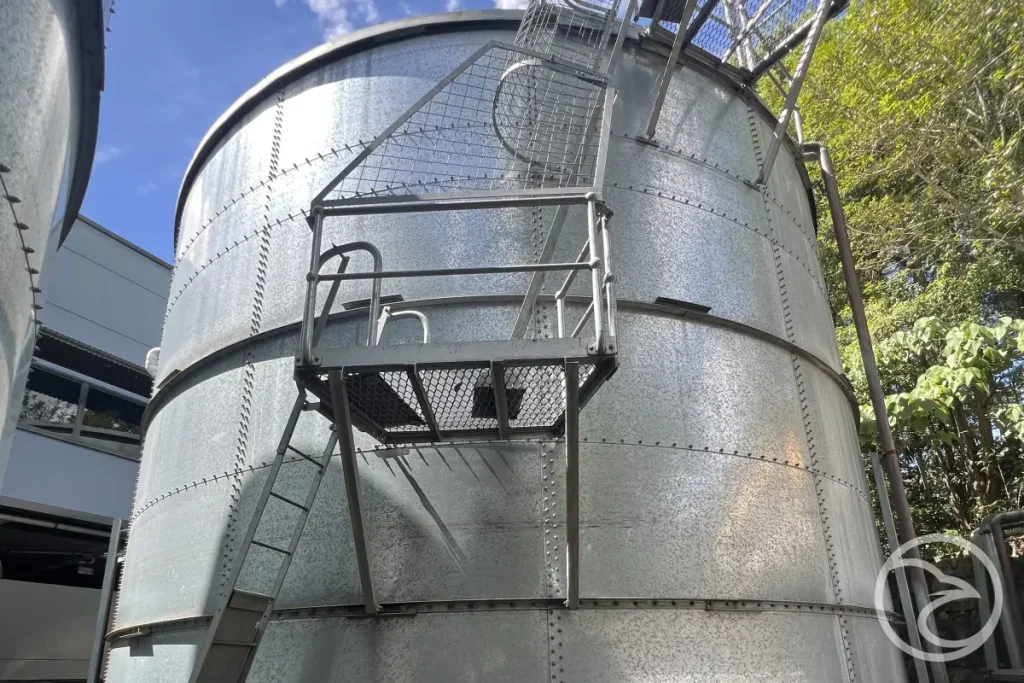
Galvanized vs Stainless Steel Water Tanks: Which Is the Better Choice for Your Project?
Choosing the right material is one of the most important decisions when specifying a water storage tank. The material affects service life, maintenance costs, water quality, and long-term performance. It also influences the total cost of ownership over decades of operation. Galvanized steel and stainless steel are two of the most common options for commercial and industrial water storage. Both offer excellent strength, but they perform differently under specific operating conditions. A galvanized tank provides reliable protection through a zinc coating. Stainless steel relies on its alloy composition to resist corrosion without additional coatings. Neither material is the best choice for every project. The right option depends on factors such as water chemistry, installation environment, maintenance expectations, and available budget. This guide compares galvanized and stainless steel water tanks across the factors that matter most to engineers, contractors, facility managers, and project owners. You’ll learn how the two materials differ in: By the end, you’ll have a clearer understanding of which tank material best suits your project requirements. Understanding the two Materials Before comparing performance, it’s helpful to understand how each material protects itself against corrosion. Although both tanks are made from steel, they use different methods to achieve durability. Galvanized Steel Water Tanks Galvanized steel is carbon steel coated with a layer of zinc through a hot-dip galvanizing process. The zinc coating acts as a protective barrier between the steel and the surrounding environment. If the coating is scratched, nearby zinc can continue protecting the exposed steel through sacrificial corrosion. This protective layer makes galvanized tanks suitable for many outdoor applications. They are commonly used for: Galvanized tanks are valued for their balance of strength, durability, and affordability. However, the zinc coating gradually wears over time, especially in aggressive environments. Businesses looking for a durable and cost-effective solution for fire protection, agricultural, or industrial water storage can also explore our HDG water tanks, which combine hot-dip galvanized steel construction with modular design for long-term performance in demanding commercial environments. Stainless Steel Water Tanks Stainless steel contains chromium, which forms a thin passive oxide layer on the metal surface. Unlike zinc coatings, this protective layer repairs itself when exposed to oxygen. This gives stainless steel excellent corrosion resistance without additional surface treatments. The most common grades include: Stainless steel tanks are widely used where hygiene and water quality are critical. Typical applications include: Although stainless steel usually has a higher purchase price, it often requires less maintenance throughout its service life. Quick Comparison at a Glance The table below highlights the main differences between galvanized and stainless steel water tanks. Feature Galvanized Steel Tanks Stainless Steel Tanks Initial cost Lower Higher Service life Long with proper maintenance Very long with minimal maintenance Corrosion resistance Good in most environments Excellent, especially in harsh conditions Potable water suitability Suitable in many cases, depending on water chemistry Excellent for drinking water Maintenance Regular inspections recommended Generally lower maintenance Resistance to coastal environments Moderate Excellent, especially Grade 316 Repairability Protective coating can often be repaired Repairs require specialised welding Appearance Industrial finish that changes over time Clean, modern appearance Best suited for Fire protection, agriculture, industrial water Drinking water, food processing, healthcare Neither material outperforms the other in every category. Galvanized steel offers a cost-effective solution for many commercial and industrial applications. Stainless steel provides superior corrosion resistance and lower maintenance over the long term. The best choice depends on your operating environment, water quality requirements, expected service life, and available budget. Corrosion Resistance Corrosion is one of the biggest factors affecting the lifespan of a water storage tank. The way each material resists corrosion is fundamentally different. Understanding these differences helps determine which option is better for your project. How Galvanized Steel Resists Corrosion Galvanized tanks are protected by a zinc coating applied during the hot-dip galvanizing process. This coating creates a barrier that prevents moisture and oxygen from reaching the underlying steel. The zinc also provides sacrificial protection. If a small section becomes damaged, the surrounding zinc corrodes first. This helps protect the exposed steel beneath. This system performs well in many environments, including: However, the zinc coating is not permanent. Over time, it gradually wears away through exposure to weather, moisture, and water chemistry. Several factors can accelerate corrosion: Once the zinc layer is significantly depleted, the underlying steel becomes vulnerable to rust. How Stainless Steel Resists Corrosion Stainless steel uses a different protection mechanism. Its chromium content reacts with oxygen to create a thin passive oxide layer. This invisible layer continually reforms if the surface is scratched or lightly damaged. Because the protection is part of the metal itself, there is no coating to wear away under normal operating conditions. This makes stainless steel highly resistant to: Grade 316 stainless steel provides even greater protection where chloride exposure is high. For this reason, it is commonly specified for coastal installations and marine environments. Environmental Conditions Matter No material performs the same under every condition. A galvanized tank may provide decades of reliable service in a dry inland location. The same tank may deteriorate much faster near the coast if maintenance is neglected. Likewise, stainless steel performs exceptionally well in most environments, but selecting the correct grade remains important. For example: Which Material Performs Better? For general commercial applications, both materials provide dependable corrosion protection when properly specified. However, stainless steel offers greater resistance in demanding environments. It is particularly advantageous where water quality, humidity, or salt exposure create ongoing corrosion risks. Winner for corrosion resistance: Stainless steel. Lifespan and Durability A water tank is a long-term investment. Its service life depends on more than the material alone. Installation quality, operating conditions, maintenance, and water chemistry all influence long-term performance. Understanding these factors helps estimate the true value of each tank over its lifetime. Galvanized Steel Lifespan Galvanized steel tanks are designed to deliver reliable performance for many years. Their durability comes from the protective zinc coating, which shields the underlying steel from corrosion. Under normal operating conditions, galvanized tanks can provide
Galvanized vs Stainless Steel Water Tanks: Which Is the Better Choice for Your Project? Read More »