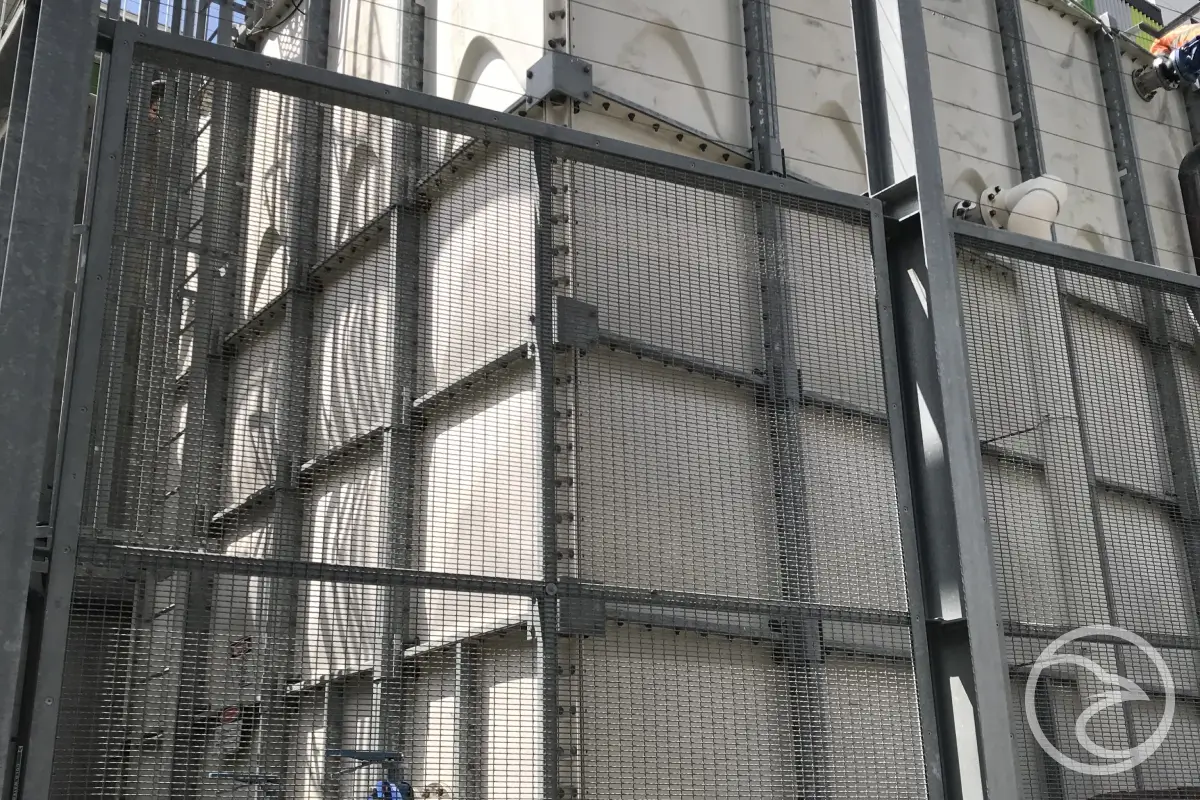
Composite panel construction has become increasingly common in industrial and infrastructure projects due to its structural efficiency, durability, and adaptability. By combining reinforcing fibers with polymer resins, composite panels deliver strength and environmental resistance while remaining significantly lighter than traditional materials such as steel or concrete.
Understanding the advantages of composite panel construction helps explain why this method is widely used in modern engineering systems.
What is Composite Panel Construction?
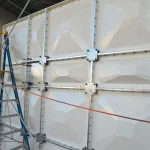
Composite panel construction refers to building systems made from panels fabricated using reinforced composite materials. These materials typically consist of a resin matrix combined with reinforcing fibers such as glass, carbon, or aramid.
The result is a lightweight but mechanically strong panel that can be assembled into modular structures. Unlike monolithic construction methods, panel systems allow components to be manufactured separately and assembled on-site, improving flexibility and efficiency.
Because the properties of composites can be engineered by adjusting fiber type, resin formulation, and panel thickness, this construction method offers high design versatility.
Structural Strength with Reduced Weight
One of the primary advantages of composite panel construction is its exceptional strength-to-weight ratio.
Reinforced composite panels provide high tensile strength while remaining significantly lighter than metal alternatives. This weight reduction:
- Simplifies transportation
- Reduces foundation load requirements
- Minimizes lifting and handling complexity
- Improves overall structural efficiency
Despite their reduced weight, composite panels can maintain excellent rigidity and load-bearing capacity when properly engineered.
Corrosion Resistance in Demanding Environments
Composite materials are inherently resistant to many forms of corrosion. Unlike steel, they do not rust, and they are less vulnerable to chemical degradation when exposed to moisture, salts, or industrial chemicals.
This makes composite panel systems particularly suitable for:
- Coastal environments
- Industrial processing facilities
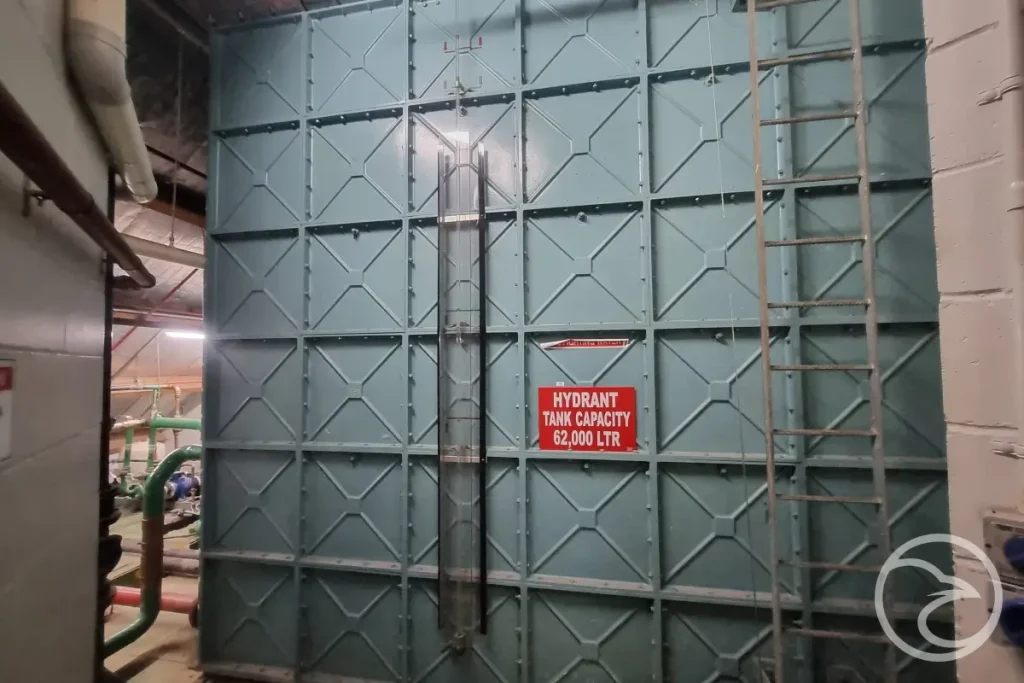
- Water infrastructure
- Chemical storage areas
Corrosion resistance reduces long-term structural deterioration and extends service life, especially in environments where traditional materials require protective coatings or frequent maintenance.
Modular Flexibility and Scalable Design
Composite panel construction supports modular assembly, meaning structures can be built in sections and expanded when needed.
This modularity offers several benefits:
- Adaptability to site constraints
- Easier future expansion
- Simplified component replacement
- Reduced on-site construction time
Because panels are prefabricated, quality control can be maintained during manufacturing before assembly occurs in the field.
The ability to scale systems up or down makes this method especially valuable for infrastructure projects that may require phased development.
Long-Term Durability and Low Maintenance
Durability is another major advantage. Composite panels resist moisture absorption, biological growth, and environmental degradation more effectively than many conventional materials.
In addition, composites are:
- Non-corrosive
- Resistant to UV exposure (when properly formulated)
- Electrically non-conductive
- Thermally stable under moderate operating conditions
These properties reduce the need for repainting, corrosion treatment, or structural reinforcement over time.
Lower maintenance requirements can contribute to reduced lifecycle costs, even if the initial material cost is higher than some traditional alternatives.
Conclusion
The advantages of composite panel construction lie in its combination of structural strength, corrosion resistance, lightweight performance, and modular flexibility. By leveraging reinforced composite materials, engineers can design durable systems that perform reliably in demanding environments.
Further technical background on reinforced composite systems and their role in infrastructure can be found in our composite materials overview.
As infrastructure projects increasingly prioritize long-term durability and adaptability, composite panel construction continues to offer a practical and efficient alternative to traditional building materials.