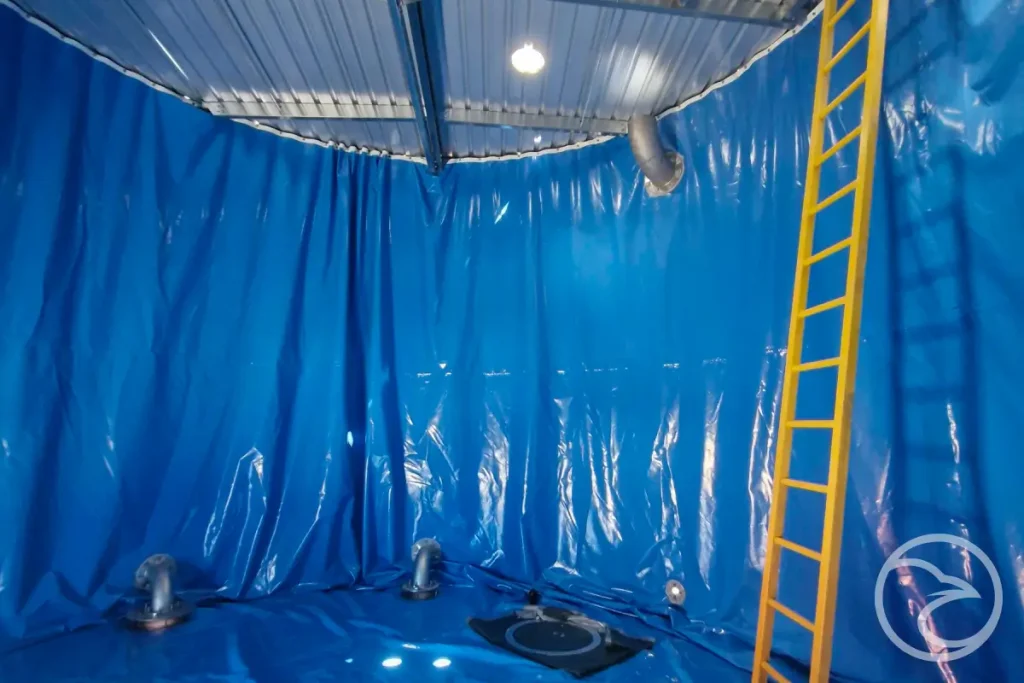
Tank Liner Inspection Checklist for Early Damage Detection
Regular inspection of commercial tank liners helps prevent costly failures. Many issues start small and go unnoticed. A structured tank liner inspection checklist allows facility managers to detect early warning signs before serious damage occurs. Early action often reduces downtime and repair costs. This guide outlines a practical tank liner inspection checklist for identifying liner damage early. Why Early Inspection Matters Tank liners operate under constant stress. Temperature changes, chemical exposure, and pressure fluctuations gradually weaken materials. Without regular checks, minor defects can escalate into leaks or structural failure. Early detection helps extend the lifespan of your system. It also ensures compliance with safety and environmental standards. When to Inspect Your Tank Liner Routine inspections should follow a consistent schedule. Most facilities benefit from quarterly visual checks and annual detailed inspections. However, additional inspections are necessary after specific events: Frequent monitoring reduces the risk of unexpected damage. Visual Inspection Checklist Start with a thorough visual inspection. This is often the fastest way to detect early problems. Look for the following: Surface Cracks Small cracks may appear harmless but often indicate material fatigue. These cracks can expand under pressure. Discoloration Changes in color may signal chemical damage or UV degradation. This is common in exposed tanks. Wrinkling or Deformation Uneven surfaces suggest structural stress or improper installation. These areas are more vulnerable to failure. Seam Separation Check welded or sealed seams carefully. Weak seams are one of the most common failure points. Structural Integrity Checks Beyond visual inspection, assess the liner’s structural condition: Leak Detection Indicators Not all leaks are immediately visible. Watch for indirect signs: These signs often appear before major leaks develop. Documentation and Monitoring Keep detailed records of every inspection. This helps track changes over time and identify patterns. Use photos and notes to document: Consistent documentation improves decision-making and maintenance planning. When to Consider Repairs If early damage is detected, timely intervention is critical. Minor issues can often be resolved before they escalate. Professional commercial tank liner repairs can restore integrity and prevent further deterioration. Acting early usually costs less than full replacement. Ignoring early signs increases the likelihood of system failure. When Damage Goes Beyond Repair In some cases, damage may already be extensive. Large tears, widespread degradation, or repeated failures indicate deeper issues. If you notice these conditions, it may be time to explore replacement options. For a deeper understanding of critical warning signs, refer to signs your tank liner needs replacement. Best Practices for Ongoing Maintenance To reduce future risks, follow these maintenance practices: Preventive care significantly extends liner lifespan. Conclusion A proactive inspection strategy is essential for maintaining commercial tank liners. Small issues often develop into major failures if ignored. Using a structured tank liner inspection checklist helps detect problems early and take appropriate action. Regular monitoring, proper documentation, and timely repairs ensure long-term performance and cost efficiency.
Tank Liner Inspection Checklist for Early Damage Detection Read More »
