Galvanized water tanks are widely used across industrial, agricultural, and commercial sectors due to their durability and corrosion resistance. However, one of the most common questions buyers and facility managers ask is: how long do galvanized water tanks actually last?
The answer depends on several factors, including environmental conditions, maintenance practices, and the quality of the galvanization process. Understanding these elements can help you make better decisions about long-term water storage solutions.
What is the Typical Lifespan of a Galvanized Water Tank?
On average, a well-manufactured galvanized water tank can last between 20 to 40 years. This long lifespan is primarily due to the protective zinc coating applied during the hot-dip galvanization process.
This coating acts as a barrier that prevents moisture and oxygen from reaching the underlying steel, significantly reducing the risk of corrosion. In controlled environments with proper maintenance, some tanks may even exceed this lifespan.
Long lifespan is one of the main reasons why galvanized tanks are widely used, along with other benefits such as corrosion resistance and cost efficiency.
Key Factors that Affect Tank Lifespan
While galvanized tanks are known for their durability, their actual service life can vary depending on several critical factors.
1. Environmental Conditions
The surrounding environment plays a major role in how long a tank lasts:
- Coastal areas with high salt exposure can accelerate corrosion
- Industrial zones with chemical pollutants may degrade the coating faster
- High humidity environments increase moisture exposure
In contrast, dry and stable climates tend to extend tank lifespan.
2. Water Quality
The type of water stored inside the tank also matters:
- Highly acidic or alkaline water can affect the zinc layer
- Contaminants or sediments may cause internal wear over time
- Poor water treatment can lead to buildup and corrosion risks
Proper water management helps maintain both tank integrity and water quality.
3. Quality of Galvanization
Not all galvanized tanks are created equal.
High-quality hot-dip galvanization ensures:
- uniform zinc coating
- stronger adhesion to steel
- better long-term protection
Lower-quality coatings may wear off faster, reducing the tank’s lifespan.
4. Installation and Structural Support
Improper installation can shorten the lifespan significantly.
Key considerations include:
- stable foundation
- proper load distribution
- correct panel assembly
Modular panel tanks, when installed correctly, offer excellent structural performance and durability.
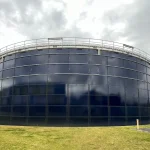
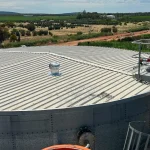
High-quality galvanized panel water tanks are typically manufactured with durability in mind, ensuring better performance in demanding environments.
How Maintenance Impacts Longevity
Even though galvanized tanks are considered low-maintenance, regular care is essential to maximize their lifespan.
Regular Inspections
Routine inspections help identify:
- early signs of coating wear
- minor corrosion spots
- structural issues
Detecting problems early prevents costly repairs later.
Cleaning and Sediment Removal
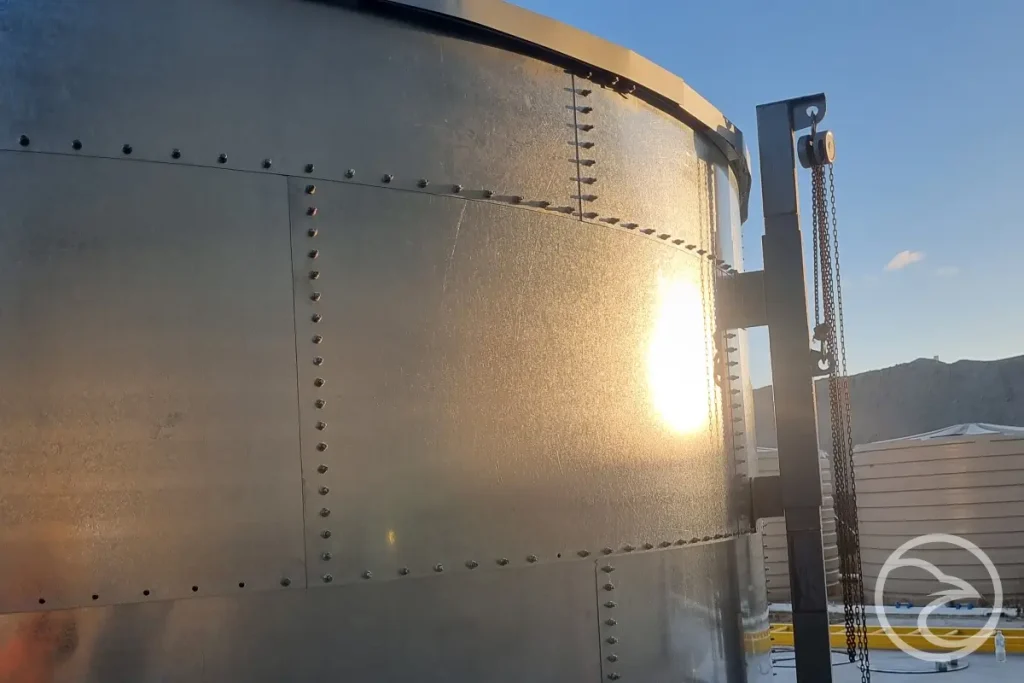
Over time, sediment can accumulate at the bottom of the tank. This can:
- affect water quality
- create localized corrosion zones
Periodic cleaning ensures optimal performance.
Protective Measures
In some cases, additional protection may be needed, such as:
- internal liners for potable water
- recoating damaged areas
- corrosion monitoring in harsh environments
These measures can significantly extend the service life of the tank.
Galvanized vs Other Tank Materials: Lifespan Comparison
When evaluating lifespan, galvanized steel tanks perform competitively against other materials:
- Stainless steel tanks may last longer but come at a higher cost
- FRP tanks offer corrosion resistance but may have different structural limitations
- Concrete tanks are durable but require more complex installation
Choosing the Right Tank for Long-Term Use
If long service life is your priority, it’s important to choose a system designed for durability and proper site conditions.
Modern hot-dip galvanized panel tanks are engineered to provide reliable long-term performance, especially when paired with correct installation and maintenance strategies.
Final Thoughts
Galvanized water tanks can last decades when properly designed, installed, and maintained. While the average lifespan ranges from 20 to 40 years, real-world performance depends on environmental exposure, water quality, and ongoing care.
By understanding these factors, you can extend the life of your tank and ensure reliable water storage for years to come.
If you are planning a long-term water storage solution, it is important to choose systems designed for durability and performance. Modern hot dipped galvanized water tanks are engineered to provide reliable service for decades when properly installed and maintained.