Water tank coating systems play a critical role in protecting steel storage tanks from corrosion, contamination, and long-term structural damage. Whether used in industrial, municipal, or agricultural applications, coatings are essential for maintaining both water quality and tank durability.
Understanding how these systems work — and which types are best suited for different conditions — can help extend the lifespan of your water storage infrastructure and reduce maintenance costs.
What are Water Tank Coating Systems?
Water tank coating systems are protective layers applied to the internal or external surfaces of a tank. Their primary purpose is to create a barrier between the steel structure and environmental factors such as moisture, oxygen, and chemicals.
Without proper coating, steel tanks are highly vulnerable to corrosion. Over time, this can lead to leaks, contamination, and structural failure.
Coating systems are designed to:
- prevent corrosion
- improve water safety
- extend tank lifespan
- reduce maintenance requirements
Why Corrosion Protection is Essential
Corrosion is one of the biggest threats to water storage systems. It occurs when metal reacts with oxygen and moisture, gradually weakening the structure.
In water tanks, corrosion can be even more problematic because it affects both the tank and the stored water.
Common risks include:
- structural degradation
- water contamination
- increased repair costs
- reduced service life
This is why selecting the right coating system is not just a technical decision — it is critical for long-term performance.
Main Types of Water Tank Coatings
Different environments and applications require different coating solutions. Below are the most commonly used types in modern water storage systems.
1. Epoxy Coatings
Epoxy coatings are widely used for internal tank protection, especially in potable water systems.
Key advantages:
- strong adhesion to steel
- excellent chemical resistance
- smooth surface that prevents buildup
They are often applied in multiple layers to ensure full coverage and durability.
2. Polyurethane Coatings
Polyurethane coatings are typically used for external protection.
Benefits include:
- high resistance to UV exposure
- flexibility under temperature changes
- strong weather resistance
These coatings help protect tanks from environmental damage, especially in outdoor installations.
3. Cementitious Coatings
Cement-based coatings are commonly used in concrete tanks but can also be applied in certain steel applications.
They provide:
- good resistance to water pressure
- compatibility with drinking water systems
- cost-effective protection
However, they are generally less flexible than polymer-based coatings.
4. Galvanized Coatings (Hot-Dip Galvanization)
One of the most effective long-term protection methods is hot-dip galvanization. This process involves coating steel with a layer of zinc, which acts as a sacrificial barrier against corrosion.
Unlike surface-applied coatings, galvanized protection is bonded directly to the steel, making it highly durable.
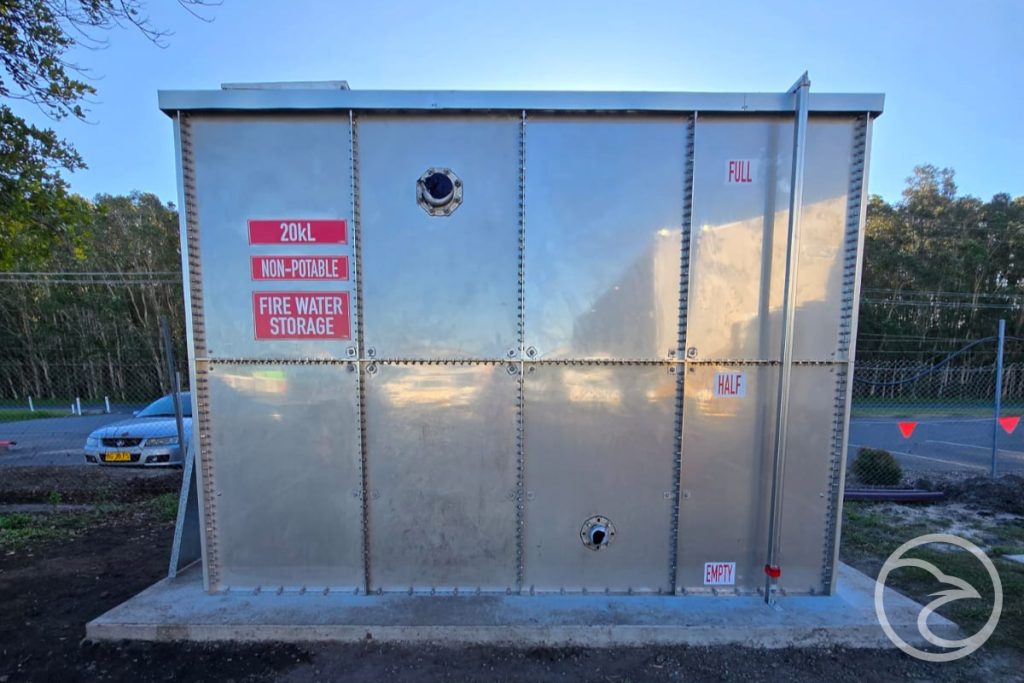
This type of coating is widely used in modern panel tank systems because it offers:
- long-term corrosion resistance
- low maintenance requirements
- consistent performance in various environments
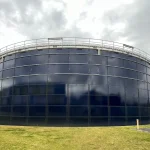
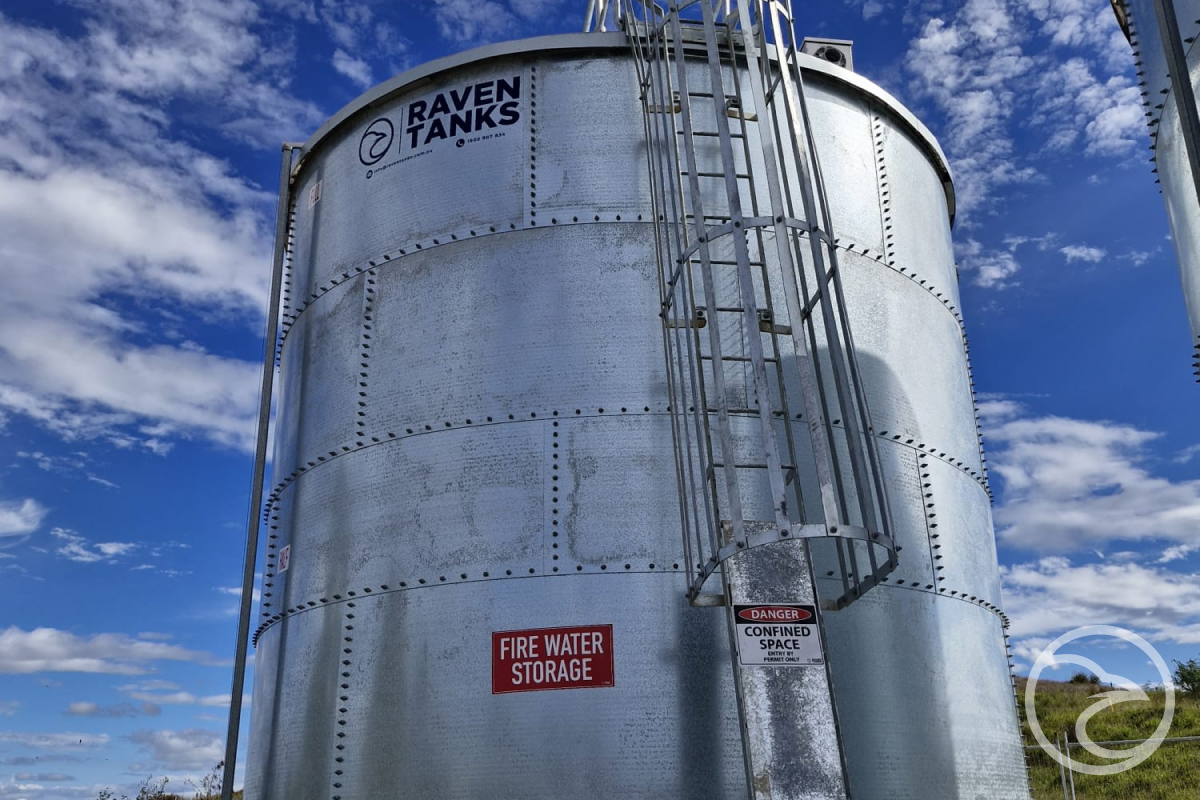
Hot-dip galvanization is commonly used in modern hot dipped galvanized water tanks, as it provides a durable protective layer that significantly extends the lifespan of steel storage systems.
Internal vs External Coating Systems
Water tanks often require both internal and external protection, depending on their usage and location.
Internal Coatings
Applied inside the tank, these coatings:
- protect against water-induced corrosion
- maintain water quality
- prevent contamination
External Coatings
Applied to the outer surface, they:
- protect against weather conditions
- resist UV exposure
- reduce environmental damage
A well-designed system typically combines both for maximum durability.
Factors to Consider when Choosing a Coating System
Selecting the right coating system depends on several key factors.
Water Type
- potable water requires certified coatings
- industrial water may need chemical-resistant solutions
Environmental Conditions
- coastal areas require higher corrosion resistance
- extreme temperatures demand flexible coatings
Tank Material
- steel tanks require anti-corrosion coatings
- concrete tanks use different protective systems
Maintenance Strategy
- some coatings require periodic reapplication
- others provide long-term protection with minimal upkeep
Understanding these factors helps ensure optimal performance and cost efficiency.
How Coatings Extend Tank Lifespan
A properly selected and applied coating system can significantly extend the life of a water tank. Instead of direct exposure to corrosive elements, the coating absorbs the impact, protecting the underlying structure.
Benefits include:
- slower material degradation
- reduced repair frequency
- improved operational reliability
In many cases, coating systems can add decades to the usable life of a tank.
Common Maintenance Practices
Even the best coating systems require periodic inspection and maintenance.
Typical practices include:
- visual inspections for wear or damage
- cleaning to remove sediment or buildup
- spot repairs to prevent corrosion spread
Preventive maintenance ensures the coating continues to perform effectively over time.
Final Thoughts
Water tank coating systems are essential for ensuring long-term durability, corrosion protection, and safe water storage. With multiple coating types available, choosing the right system depends on the application, environment, and maintenance expectations.
Among the available options, galvanized coatings are widely recognized for their durability and low maintenance, making them a reliable solution for long-term water storage systems.
By understanding how coating systems work and selecting the appropriate protection strategy, it is possible to significantly extend the lifespan and performance of water storage tanks.