Regular tank inspections help owners identify defects before they become expensive repairs. They also improve safety, extend asset life, and reduce unexpected downtime. Traditional inspections often require confined space entry, scaffolding, or draining the tank. These methods take time and increase safety risks.
Today, remote tank inspection technologies provide a faster and safer alternative. Two of the most effective methods are drone tank inspection and ROV inspection. Although both technologies collect inspection data remotely, they serve different purposes. Drones inspect areas above the waterline and external structures. ROVs inspect submerged components without sending divers into the tank.
Understanding the strengths of each technology helps asset owners choose the right inspection method. In many cases, combining both delivers the most complete assessment of tank condition.
Why Remote Tank Inspection is Becoming the Industry Standard
Modern facilities are moving away from traditional inspection methods. Remote technologies improve safety while reducing costs and operational disruption. Instead of exposing workers to hazardous environments, operators can inspect tanks from a safe location.
A remote tank inspection also reduces preparation time. Many inspections can be completed without scaffolding or confined space entry.
Key advantages include:
- improved worker safety
- reduced inspection time
- lower maintenance costs
- minimal operational disruption
- high-quality digital documentation
- faster reporting
- better inspection accuracy
As inspection technology continues to improve, more industries are adopting Drone and ROV Tank Inspection solutions for routine asset management.
What is Drone Tank Inspection?
A drone tank inspection uses an unmanned aerial vehicle (UAV) to inspect tanks without requiring workers to climb structures or enter hazardous spaces. Modern inspection drones capture high-resolution images and video from angles that are difficult to access manually.
Some drones also carry thermal cameras, LiDAR sensors, or specialised inspection equipment. These tools provide detailed information about structural condition. A UAV tank inspection is suitable for both external and internal inspections, depending on the tank design and operating conditions.
How Drone Tank Inspection Works
Before the inspection begins, technicians assess the site and prepare a flight plan. The drone then flies around or inside the tank while following a planned inspection route.
During the inspection, it captures:
- high-resolution photographs
- 4K video
- thermal images
- 3D mapping data
- structural measurements
The collected information is reviewed after the flight to identify defects and recommend maintenance actions. Many inspections are completed in only a few hours.
A professional drone tank inspection provides fast and accurate visual assessments while reducing safety risks and operational downtime.
What Can Drone Tank Inspection Detect?
A drone tank inspection can identify many structural and maintenance issues.
Common findings include:
- corrosion
- coating deterioration
- cracked welds
- damaged roofs
- floating roof defects
- wall deformation
- damaged access platforms
- blocked vents
- external leaks
- loose fittings
- damaged ladders
- missing bolts
Thermal imaging can also identify moisture intrusion and heat loss in some applications.
Benefits of Drone Tank Inspection
A drone tank inspection offers several advantages over traditional inspections.
These include:
- improved worker safety
- no scaffolding in many situations
- reduced confined space entry
- faster inspections
- lower labour costs
- minimal operational disruption
- detailed visual records
- repeatable inspection routes
- easier progress monitoring over time
Because inspections are digital, historical data can be compared during future maintenance programs.
Limitations of Drone Tank Inspection
Despite its advantages, drone technology has some limitations. A drone tank inspection cannot inspect submerged tank components.
Other limitations include:
- limited performance in heavy vapours
- battery flight time restrictions
- confined environments require specialised drones
- poor lighting may require additional equipment
- weather can affect outdoor inspections
These limitations make drones unsuitable for inspecting underwater structures.
Best Applications for UAV Tank Inspection
A UAV tank inspection is suitable for many tank types.
These include:
- fire water tanks
- potable water tanks
- wastewater tanks
- steel storage tanks
- concrete reservoirs
- oil storage tanks
- chemical storage tanks
- elevated water tanks
- industrial process tanks
Drones are particularly effective for inspecting roofs, walls, pipework, and external structures.
Why Regular Tank Condition Monitoring Matters
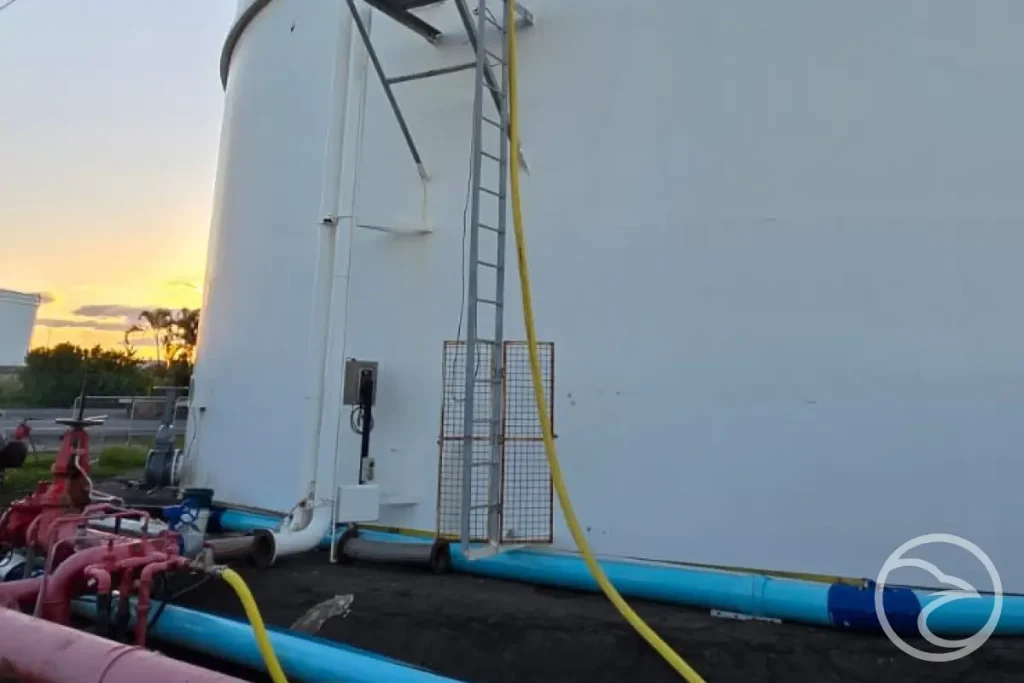
Regular tank condition monitoring is essential for maintaining safe and reliable storage systems. Small defects often develop slowly and remain unnoticed until they become major problems.
Routine inspections help identify corrosion, coating damage, leaks, and structural changes before they affect tank performance. Early detection allows maintenance teams to plan repairs at the right time and avoid unexpected failures.
A proactive inspection program also extends asset life and reduces long-term maintenance costs. Instead of reacting to emergency repairs, operators can make informed maintenance decisions based on actual tank condition.
Regular remote tank inspection also improves workplace safety. It reduces the need for confined space entry and limits worker exposure to hazardous environments.
Key benefits of regular tank monitoring include:
- early defect detection
- longer asset life
- reduced repair costs
- improved operational reliability
- better maintenance planning
- increased worker safety
- improved regulatory compliance
Regular inspections provide valuable information about the condition of storage assets. Combined with modern remote technologies, they help operators make faster, safer, and more informed maintenance decisions.
Comprehensive tank inspection programs combine modern technologies with industry expertise to deliver accurate condition assessments.
What is ROV Tank Inspection?
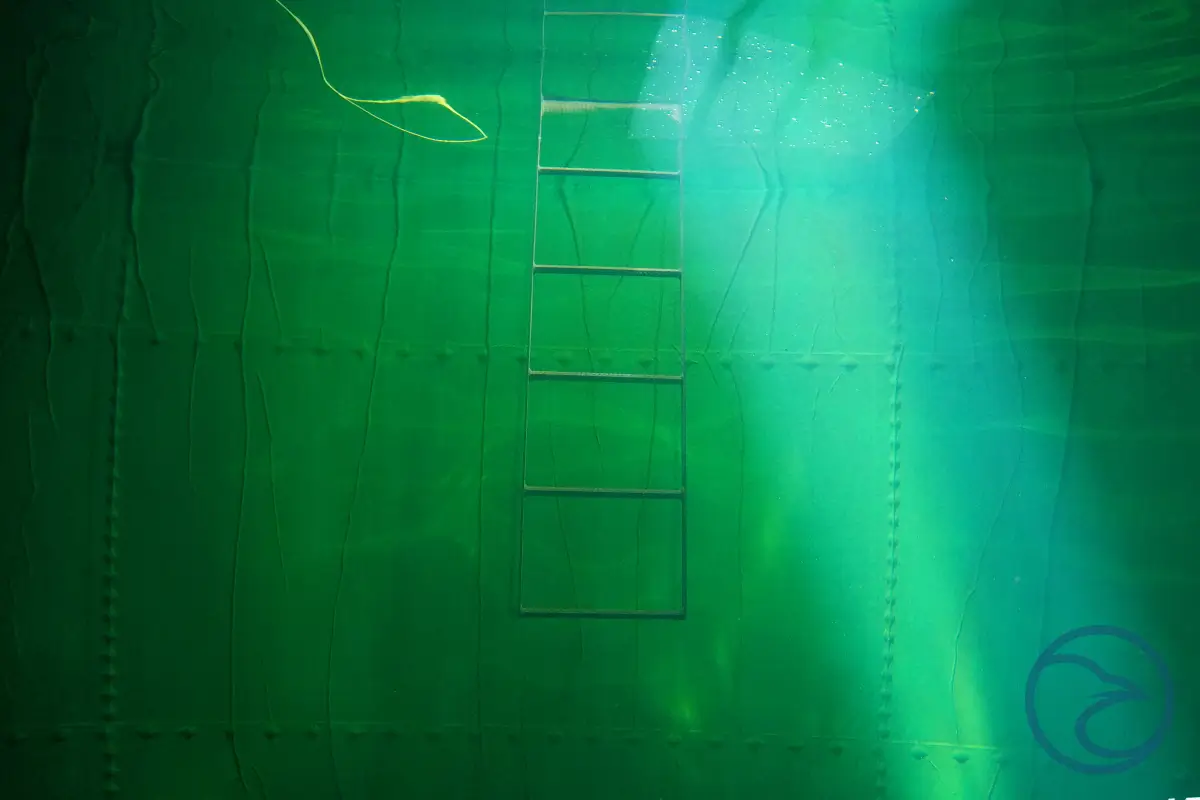
An ROV inspection uses a remotely operated underwater vehicle to inspect submerged tank components. Unlike drones, an ROV operates underwater while remaining connected to an operator on the surface.
The vehicle is equipped with cameras, lights, sonar, and other inspection tools. An underwater ROV inspection allows technicians to inspect tanks without draining them or sending divers inside.
How ROV Inspection Works
The inspection begins by lowering the ROV into the tank. The operator controls the vehicle remotely using a control station.
As the ROV moves through the water, it captures:
- high-definition video
- underwater photographs
- sonar images
- structural observations
- sediment conditions
Some systems also measure wall thickness or collect additional inspection data. The inspection can often be completed while the tank remains in service.
What Can ROV Inspection Detect?
An ROV inspection identifies defects below the waterline.
Common findings include:
- underwater corrosion
- damaged liners
- floor deterioration
- cracked welds
- sediment accumulation
- biological growth
- submerged leaks
- damaged joints
- structural movement
- debris build-up
- damaged anchors
- corrosion around fittings
An underwater ROV inspection provides clear visual evidence without draining the tank. Our ROV tank inspection service delivers accurate underwater condition assessments while minimising operational disruption.
Benefits of Underwater ROV Inspection
An underwater ROV inspection offers several important advantages.
These include:
- no need to drain the tank
- no diver entry
- improved worker safety
- reduced downtime
- lower maintenance costs
- detailed underwater imagery
- minimal disruption to operations
- faster inspections than manual methods
Digital inspection records also support future maintenance planning.
Limitations of ROV Inspection
Like drones, ROV systems also have limitations.
These include:
- cannot inspect roofs or external structures
- water clarity may affect visibility
- specialised operators are required
- complex tanks may require multiple inspection passes
- heavy sediment can reduce image quality
ROVs work best when combined with other inspection technologies.
Best Applications for ROV Inspection
An ROV inspection is ideal for tanks that contain water or other liquids.
Typical applications include:
- potable water reservoirs
- wastewater tanks
- fire water storage tanks
- industrial water tanks
- cooling water systems
- hydroelectric facilities
- treatment plant reservoirs
- service reservoirs
These inspections help identify underwater defects before they develop into major structural problems.
Future Trends in Remote Tank Inspection
Remote inspection technology continues to evolve. New systems are improving inspection accuracy while reducing the time required to assess tank condition.
Future developments include:
- artificial intelligence for defect detection
- automated image analysis
- cloud-based inspection reporting
- digital twin technology
- predictive maintenance
- autonomous inspection drones
- advanced underwater ROV systems
- 3D tank modelling
These innovations will help operators detect defects faster and make better maintenance decisions. As inspection technologies continue to advance, drone tank inspection and ROV inspection will play an even greater role in proactive asset management and long-term infrastructure maintenance.
Drone Tank Inspection vs. ROV Inspection
Both technologies improve inspection safety and efficiency. However, they are designed for different inspection tasks.
| Feature | Drone Tank Inspection | ROV Inspection |
|---|---|---|
| Inspection area | Above water | Underwater |
| Access method | Air | Water |
| Main purpose | Roofs, walls, external structures | Floors and submerged structures |
| Tank draining required | Usually no | No |
| Confined space entry | Often avoided | Avoided |
| Detects corrosion | Yes | Yes |
| Detects sediment | Limited | Excellent |
| Inspection speed | Fast | Fast |
| Worker safety | Very high | Very high |
Choosing the right method depends on the tank design and inspection objectives.
Industries that Benefit from Drone and ROV Tank Inspection
Many industries rely on storage tanks to support daily operations. Regular inspections help protect valuable assets and reduce operational risks.
Drone and ROV Tank Inspection technologies are widely used in:
- water utilities
- wastewater treatment plants
- mining operations
- oil and gas facilities
- chemical processing plants
- manufacturing facilities
- agriculture
- food and beverage production
- power generation
- local councils and municipalities
Each industry has different inspection requirements. However, the goal remains the same. Detect problems early, maintain safe operations, and reduce maintenance costs.
When Drone and ROV Tank Inspection Work Best Together
Many facilities combine both technologies during a single inspection program. A drone and ROV tank inspection provides complete coverage of the entire asset.
The drone inspects:
- roofs
- tank walls
- pipework
- external fittings
- access platforms
The ROV inspects:
- tank floors
- submerged walls
- liners
- sediment
- underwater corrosion
Together, these technologies create a complete condition assessment. This approach also reduces the need for manual inspections and repeated site visits.
Factors to Consider when Choosing Between Drone and ROV Inspection
The best inspection method depends on the tank design and inspection objectives. Understanding the operating conditions helps determine which technology will provide the most useful information.
Consider the following factors before selecting an inspection method:
- tank size
- tank contents
- water level
- inspection objectives
- accessibility
- operational downtime
- safety risks
- inspection budget
A drone tank inspection is generally the best option for inspecting roofs, walls, and external structures. An ROV inspection is better suited to submerged floors, liners, and underwater structural components. In many situations, combining both technologies provides the most complete assessment.
When is a Traditional Tank Inspection Still Required?
Remote inspection technologies reduce the need for manual inspections, but they do not replace every inspection method. Some maintenance activities still require technicians to access the tank directly.
Traditional inspections may be necessary for:
- ultrasonic thickness testing
- destructive material testing
- coating replacement
- structural repairs
- component replacement
- regulatory verification
- major refurbishment projects
A drone tank inspection or ROV inspection often identifies areas that require further investigation. Maintenance teams can then perform targeted manual inspections instead of inspecting the entire tank. This approach improves efficiency while reducing worker exposure to hazardous environments.
Drone and ROV Inspections as Part of Tank Maintenance
Neither technology replaces a complete maintenance program. Instead, they provide valuable inspection data that supports better maintenance decisions.
A comprehensive tank maintenance strategy includes:
- routine inspections
- cleaning
- corrosion monitoring
- coating assessments
- liner inspections
- structural repairs
- scheduled maintenance
- condition monitoring
A remote tank inspection helps maintenance teams identify problems early. Early detection reduces repair costs and prevents unexpected failures. Inspection data also helps owners prioritise maintenance budgets and plan future repairs more effectively.
Regular drone tank inspection and ROV inspection programs improve long-term asset performance and extend service life.
Conclusion
Modern inspection technology has transformed the way tanks are monitored and maintained. A drone tank inspection provides fast and accurate assessments of roofs, walls, and external structures. An underwater ROV inspection examines submerged components without draining the tank or sending divers into hazardous environments.
Each technology has unique strengths. One operates in the air, while the other works below the waterline. Rather than replacing one another, they provide complementary inspection capabilities.
A combined drone and ROV Tank Inspection delivers the most complete understanding of tank condition. It improves safety, reduces operational disruption, and provides reliable data for maintenance planning.
As industries continue to adopt digital asset management, remote tank inspection will remain an essential tool for protecting infrastructure, extending tank life, and supporting proactive maintenance strategies.