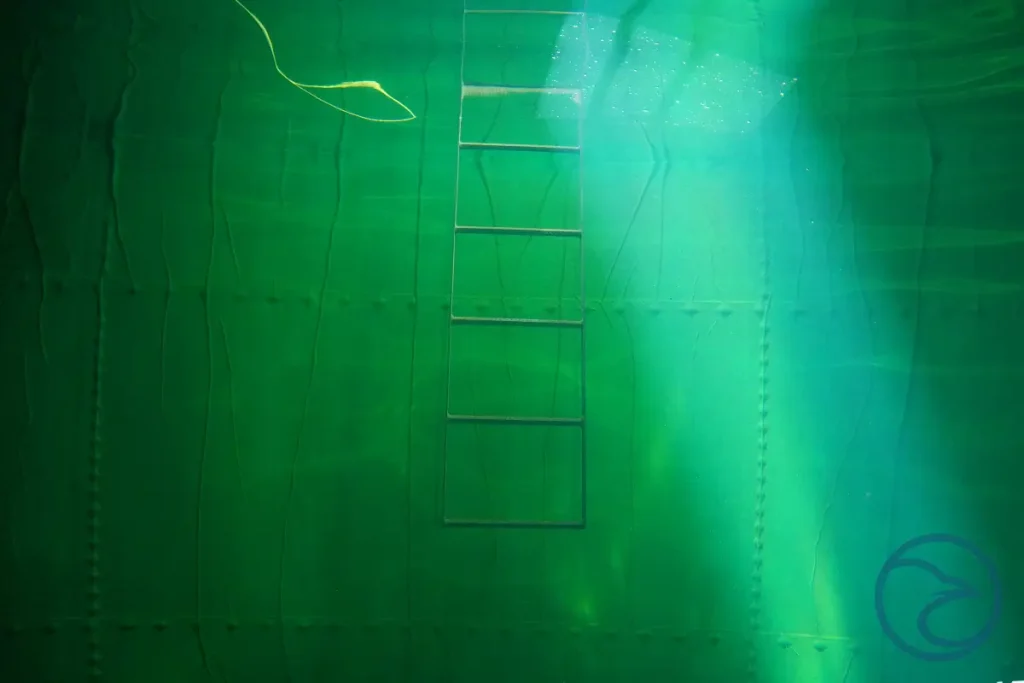
using drones to monitor tank conditions in water storage systems

Using Drones to Monitor Tank Conditions: a Modern Approach to Asset Visibility

Water and industrial tanks play a critical role in municipal, commercial, and industrial infrastructure. Their structural integrity and internal condition directly affect safety, water quality, and long-term operational reliability. Traditionally, monitoring tank conditions required draining, confined space entry, or extensive manual inspections. Today, using drones to monitor tank conditions has emerged as a safer, more efficient, and non-intrusive alternative. Drone-based monitoring focuses on continuous condition awareness rather than one-time inspections. By combining aerial drones (UAVs) and underwater remotely operated vehicles (ROVs), facilities can gain detailed insight into tank performance while minimizing disruption to operations. What Does Drone-Based Tank Monitoring Involve? Drone-based tank monitoring uses specialized aerial and underwater platforms equipped with high-resolution cameras, LED lighting, and stabilization systems. These drones can operate inside full or partially filled tanks, capturing visual data without requiring human entry. Aerial drones are typically used for: Underwater drones are used to monitor: Together, these systems provide a comprehensive view of tank conditions across all internal zones. Why Facilities are Shifting to Drone-Based Monitoring One of the main drivers behind using drones to monitor tank conditions is the reduction of operational risk. Manual entry into tanks introduces safety hazards such as oxygen-deficient environments, fall risks, and contamination exposure. Drone monitoring removes these risks by keeping personnel outside the tank. Additional benefits include: This approach supports proactive maintenance rather than reactive repairs. Monitoring Key Tank Condition Indicators Drone systems allow operators to monitor a wide range of condition indicators that influence tank performance and lifespan. Structural Condition Visual monitoring helps identify: Early detection of structural changes allows facilities to plan corrective actions before issues escalate. Coatings and Linings Interior coatings protect tanks from corrosion and contamination. Drone footage can reveal: Tracking these changes over time helps optimize maintenance schedules. Sediment and Debris Levels Sediment buildup can affect water quality and reduce tank efficiency. Underwater drones provide clear visibility of: This data supports condition-based cleaning instead of fixed intervals. Water Quality Protection Because drones operate without disturbing the stored water, they help maintain water quality while monitoring conditions. Avoiding human entry reduces the risk of introducing contaminants, rust flakes, or foreign materials. Long-Term Value of Continuous Tank Monitoring Unlike traditional inspections that provide a snapshot in time, drone-based monitoring enables trend analysis. Repeated drone surveys allow facility managers to compare visual data year over year and identify gradual changes. This long-term visibility supports: Facilities that adopt monitoring strategies instead of isolated inspections often experience lower lifecycle costs and fewer emergency interventions. Technology Supporting Modern Tank Monitoring Advancements in drone technology continue to expand monitoring capabilities. Features such as enhanced low-light cameras, improved stabilization, and data integration tools increase accuracy and reliability. Many facilities now combine drone monitoring with broader remote assessment programs to centralize asset data and improve decision-making. Facilities interested in expanding their monitoring capabilities often explore solutions such as advanced drone and underwater monitoring systems to support long-term tank management strategies. To support long-term asset visibility and reduce operational risk, many facilities complement drone-based monitoring with advanced underwater monitoring technologies that provide detailed visual data from within active tank systems. Conclusion Using drones to monitor tank conditions represents a significant shift in how facilities manage critical storage assets. By providing safe, non-intrusive, and repeatable access to internal tank environments, drone-based monitoring improves visibility, supports proactive maintenance, and reduces operational risk. As infrastructure ages and safety requirements increase, drone monitoring is becoming an essential tool for maintaining reliable, high-performing tank systems without compromising safety or service continuity.

Using Drones to Monitor Tank Conditions: a Modern Approach to Asset Visibility Read More »