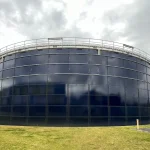
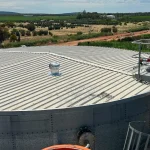
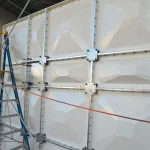
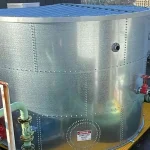
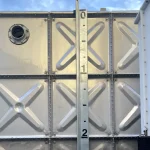
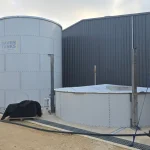
Panel tanks are widely used for water storage in industrial, commercial, and fire protection systems. To ensure safe operation, structural integrity, and water quality, these tanks must align with established industry standards. AWWA and NFPA guidelines for panel tanks provide a structured framework that helps facility owners and operators maintain compliance while supporting long-term performance.
As tank systems become more complex and regulatory expectations evolve, understanding how these guidelines apply to panel tanks is essential.
Why AWWA and NFPA Guidelines Matter for Panel Tanks
The American Water Works Association (AWWA) and the National Fire Protection Association (NFPA) publish widely recognized standards that define best practices for water storage systems. While these organizations address different aspects of tank operation, their guidance collectively supports safety, reliability, and operational readiness.
For panel tanks, these guidelines help establish:
- minimum safety requirements
- structural and material considerations
- access and maintenance expectations
- water quality and contamination prevention principles
Adhering to these standards reduces operational risk and supports consistent tank performance over time.
Panel Tanks and Regulatory Expectations
Panel tanks are modular systems assembled on-site, which makes proper installation, maintenance, and monitoring especially important. AWWA and NFPA guidelines for panel tanks emphasize the need for regular condition assessment and documentation to confirm that tanks continue to meet operational requirements.
From a compliance perspective, guidelines typically address:
- tank accessibility for maintenance activities
- internal surface conditions
- protection against corrosion and material degradation
- readiness for emergency use in fire protection systems
Although the guidelines do not mandate a single inspection method, they encourage approaches that minimize risk while ensuring accurate condition data.
Safety and Maintenance Considerations in AWWA and NFPA Guidance
Safety is a central theme in both AWWA and NFPA documentation. Panel tanks often present challenges such as confined internal spaces, elevated structures, and limited access points. For this reason, the guidelines support maintenance practices that reduce direct human exposure to hazards.
Maintenance-related recommendations often focus on:
- identifying early signs of wear or corrosion
- preventing sediment accumulation
- maintaining coatings and linings
- ensuring structural connections remain secure
Following these principles helps extend tank service life and avoid unplanned shutdowns or emergency repairs.
The Role of Technology in Supporting Panel Tank Guidelines
While AWWA and NFPA guidelines for panel tanks focus on outcomes rather than specific tools, modern technologies play an increasingly important role in achieving compliance. Remote and non-intrusive assessment methods are particularly valuable for panel tanks that must remain operational.
Underwater drone and remote visual technologies can support guideline-driven maintenance by:
- allowing internal observation without draining the tank
- reducing confined space entry risks
- capturing detailed visual records for documentation
- supporting condition-based maintenance planning
These technologies align well with the safety and efficiency goals outlined in industry guidelines, especially in water storage and fire protection applications.
In practice, compliance with AWWA and NFPA guidelines for panel tanks can be supported by remote underwater assessment technologies that allow internal condition evaluation without draining the tank or exposing personnel to confined space risks.
Applying Guidelines to Fire and Water Storage Panel Tanks
Panel tanks are commonly used in both potable water and fire water storage systems. While the operational goals differ, AWWA and NFPA guidelines for panel tanks emphasize reliability in both contexts.
Fire Water Panel Tanks
Guidelines stress operational readiness and system availability. Maintenance approaches that limit downtime help ensure that fire protection systems remain functional when needed.
Potable Water Panel Tanks
For drinking water applications, guidelines prioritize hygiene and contamination prevention. Non-invasive monitoring methods support water quality objectives while minimizing system disruption.
Documentation and Long-Term Compliance
A key aspect of AWWA and NFPA guidance is documentation. Maintaining accurate records of tank condition, maintenance activities, and observed changes over time supports both compliance and asset management.
By combining guideline-driven practices with modern monitoring technologies, facility managers can:
- demonstrate due diligence
- track condition trends
- plan maintenance proactively
- reduce lifecycle costs
This approach supports long-term compliance without relying solely on reactive maintenance strategies.
Conclusion: Understanding AWWA and NFPA Guidelines for Panel Tanks
AWWA and NFPA guidelines for panel tanks provide a practical framework for maintaining safe, reliable, and compliant water storage systems. By focusing on safety principles, maintenance best practices, and documentation, these guidelines help facilities protect critical infrastructure.
As technology continues to evolve, modern monitoring tools can complement guideline-based approaches, supporting safer maintenance practices and more informed decision-making. For organizations managing panel tanks, aligning operations with these standards is a key step toward long-term performance and regulatory confidence.