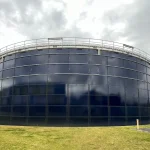
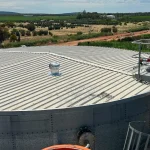
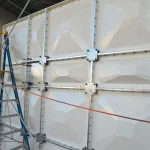
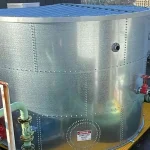
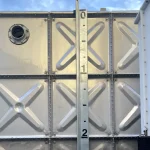
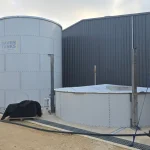
Panel tanks are widely used in water storage, industrial processes, and fire protection systems due to their modular design and scalability. However, their widespread use also introduces a range of operational and safety risks that require careful management. Panel tank risk management focuses on identifying these risks early, reducing potential hazards, and supporting long-term system reliability.
Rather than reacting to failures after they occur, a risk-based approach helps organizations protect infrastructure, personnel, and water quality.
Understanding Operational Risks in Panel Tank Systems
Panel tanks operate under varying conditions, including constant water pressure, environmental exposure, and frequent demand fluctuations. Over time, these factors can introduce operational risks that may not be immediately visible.
Common operational risks include:
- gradual material degradation
- loosening of panel connections and seals
- sediment accumulation affecting internal surfaces
- limited access to internal components
If left unmanaged, these issues can escalate into leaks, reduced system performance, or unplanned downtime. Effective panel tank risk management begins with understanding how these risks develop over time.
Safety Challenges Associated with Panel Tank Maintenance
Safety is a critical component of risk management. Panel tanks often involve elevated structures, confined internal spaces, and restricted entry points. These conditions increase the potential for safety hazards during routine maintenance and condition checks.
Key safety challenges include:
- confined space exposure
- limited visibility inside the tank
- working at height
- reliance on manual access methods
Reducing human exposure to these risks is a core principle of modern risk management strategies. Organizations increasingly seek approaches that allow them to assess tank conditions while minimizing direct physical interaction.
The Impact of Limited Visibility on Risk Levels
One of the most significant contributors to panel tank risk is limited visibility. Internal conditions such as corrosion, cracking, or coating deterioration often develop out of sight. When visibility is restricted, early warning signs may be missed.
Poor visibility can lead to:
- delayed identification of structural issues
- incomplete condition records
- reactive rather than proactive maintenance
- increased likelihood of emergency repairs
Improving visibility is therefore a key objective in reducing both operational and safety risks associated with panel tank systems.
Risk-Based Maintenance and Decision-Making
Panel tank risk management relies on informed decision-making rather than assumptions. By understanding the condition of internal components and tracking changes over time, facility managers can prioritize actions based on actual risk levels.
A risk-based approach supports:
- targeted maintenance planning
- reduced unnecessary system disruption
- better allocation of maintenance resources
- extended asset lifespan
This method aligns with broader asset management strategies and supports long-term operational resilience.
The Role of Modern Monitoring Technologies in Risk Reduction
Advances in monitoring technologies have significantly changed how organizations approach panel tank risk management. Remote and non-intrusive assessment methods provide valuable insights into internal tank conditions without requiring system shutdowns or manual entry.
In some cases, remote underwater assessment technologies can support risk management efforts by providing visual data from within the tank while reducing safety exposure and operational disruption.
These technologies help organizations:
- enhance internal visibility
- document condition changes accurately
- support data-driven maintenance decisions
- reduce reliance on high-risk access methods
By integrating modern monitoring tools into risk management strategies, operators can proactively address issues before they impact system performance.
In complex panel tank systems, risk management strategies can be strengthened through remote underwater monitoring solutions that provide internal visual data while minimizing operational disruption and safety exposure.

Supporting Compliance Through Risk Management
While regulatory standards such as those issued by AWWA and NFPA provide guidance on safe operation, effective panel tank risk management complements compliance efforts. A strong risk-based framework helps ensure that safety, documentation, and maintenance practices remain aligned with regulatory expectations.
Rather than focusing solely on minimum requirements, risk management emphasizes continuous improvement and operational awareness.
Conclusion: a Proactive Approach to Panel Tank Risk Management
Panel tank systems play a critical role in water storage and fire protection infrastructure. Managing the risks associated with these systems requires a proactive approach that prioritizes safety, visibility, and informed decision-making.
By understanding operational challenges and adopting modern monitoring approaches, organizations can reduce risk exposure, improve system reliability, and support long-term infrastructure performance. Panel tank risk management is not about reacting to failures—it is about preventing them through insight, planning, and responsible system oversight.