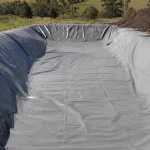
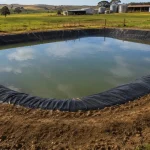
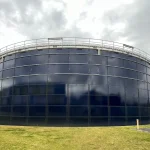
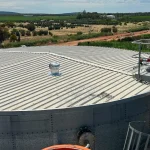
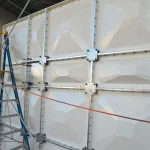
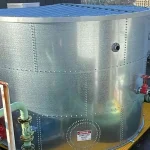
Water storage systems play a critical role in supporting residential, commercial, industrial, and municipal infrastructure. They ensure consistent water availability for daily operations, emergency response, and long-term resource management. As demands on water infrastructure increase, technology in water storage systems has become essential for improving reliability, efficiency, and system longevity.
Modern technologies allow operators to better understand tank conditions, reduce operational risks, and make informed maintenance decisions without disrupting service.
The Evolution of Water Storage Systems
Traditionally, water storage tanks relied on manual inspections, scheduled draining, and reactive maintenance. While effective in the past, these methods often led to extended downtime, water loss, and limited visibility into internal tank conditions.
Today, technology in water storage systems has shifted the industry toward proactive monitoring and data-driven management. Advanced tools now support continuous assessment, early issue detection, and improved planning, helping operators maintain system integrity over time.
Key Technologies Used in Modern Water Storage Systems
Several innovations are shaping how water storage systems are monitored and managed:
Remote Visual Monitoring
Submersible cameras and remotely operated devices allow operators to visually assess internal tank conditions while the tank remains in service. This technology provides clear insight into walls, floors, coatings, joints, and sediment levels without requiring confined-space entry.
High-Resolution Imaging and Video Recording
Modern systems capture detailed video and still images that document tank conditions over time. These records support maintenance planning, compliance documentation, and long-term asset tracking.
Sensors and Data Collection Tools
Water storage systems increasingly use sensors to monitor parameters such as water level, temperature, turbidity, and internal movement. When combined with visual data, these tools provide a more complete picture of tank performance.
Digital Reporting and Asset Management
Inspection data can now be integrated into digital platforms that store inspection history, track changes, and support budgeting for future repairs. This improves transparency and supports smarter infrastructure decisions.
Benefits of Technology in Water Storage Systems
The adoption of modern technology delivers measurable advantages across multiple areas:
Reduced Downtime
Many technologies allow inspections and assessments to occur without draining tanks. This keeps systems operational and avoids service interruptions.
Improved Safety
By minimizing or eliminating confined-space entry, modern solutions reduce risks to personnel and simplify inspection procedures.
Early Issue Detection
Technology in water storage systems helps identify corrosion, coating degradation, sediment buildup, and structural concerns before they escalate into costly failures.
Water Conservation
Avoiding unnecessary draining reduces water waste and supports more sustainable system management.
Better Long-Term Planning
Accurate data allows operators to prioritize repairs, forecast maintenance costs, and extend the service life of storage assets.

Limitations and Considerations
While modern technologies offer significant benefits, they are not a complete replacement for all traditional methods. Extremely turbid water, heavy sediment, or complex tank geometries may limit visibility and require supplementary approaches. However, for routine monitoring and condition assessment, technology-driven solutions remain one of the most practical options available.
Conclusion
Technology in water storage systems has transformed how tanks are monitored, maintained, and managed. By improving visibility, reducing downtime, enhancing safety, and supporting long-term planning, modern technologies help operators protect critical water infrastructure more effectively.
As water systems continue to evolve, the integration of advanced monitoring tools will remain a key factor in achieving reliable, efficient, and sustainable water storage solutions.
As part of modern water storage management, many facilities use remote underwater assessment technologies to better understand internal tank conditions while keeping systems operatio