Industrial silos operate under demanding conditions throughout their service life. They experience repeated loading, discharge cycles, vibration, material movement, and environmental exposure.
These conditions can gradually affect structural components and internal surfaces. Some changes are easy to see. Others develop in areas that are difficult to access during normal operations. A planned silo inspection helps identify these changes and creates a record of the structure’s condition.
However, knowing what to inspect is only part of the process. Inspection timing is equally important. The appropriate frequency depends on the silo, its condition, operating environment, and previous findings.
This guide provides a practical silo inspection checklist. It also explains when additional inspections may be appropriate between planned assessments.
Why Silo Inspections Should Follow a Planned Schedule
Silo deterioration does not always produce immediate warning signs. Corrosion may develop gradually beneath damaged protective coatings. Small cracks may change over several operating cycles. Internal abrasion can also progress without being visible from outside.
For these reasons, relying only on obvious damage can provide an incomplete picture of silo condition. A planned inspection schedule creates opportunities to identify and document changes over time. This is particularly valuable for older structures or silos operating under demanding conditions.
Regular records can show whether existing defects remain stable. They can also reveal whether deterioration is progressing. This information can support decisions about monitoring, maintenance, further testing, or remediation. A planned approach also creates consistency.
The same structural areas can be reviewed during successive inspections. Photographs and measurements can then be compared more effectively.
How Often Should a Silo be Inspected?
There is no single inspection interval that applies to every silo. Inspection frequency depends on several structural, operational, and environmental factors.
Applicable standards, manufacturer recommendations, engineering requirements, and site procedures should also be considered. The following factors can influence the inspection schedule.
Silo Age
Age alone does not determine structural condition. However, older silos may have experienced more loading cycles, environmental exposure, repairs, and modifications.
Protective systems can also deteriorate with time. An older silo may therefore require closer monitoring, particularly where previous defects have been identified.
Construction Material
Steel and concrete silos can experience different deterioration mechanisms. Steel structures may require attention to corrosion, coatings, welds, bolts, and local deformation.
Concrete silos can develop cracking, spalling, moisture-related deterioration, or exposed reinforcement. The construction type should influence both inspection methods and frequency.
Stored Material
The material inside the silo can affect wear patterns and operating conditions. Abrasive materials may gradually damage internal surfaces or protective linings.
Moisture conditions can influence corrosion and concrete deterioration. Material flow can also create concentrated wear around hoppers and discharge areas.
Changes in the stored product may therefore justify reviewing the existing inspection schedule.
Operating Cycles
Frequently filled and emptied silos experience repeated changes in loading. The number and nature of these cycles can influence structural behaviour.
A silo with intensive use may require different monitoring from a structure used only occasionally. Operating history should therefore form part of inspection planning.
Environmental Exposure
External conditions can affect deterioration rates. Rain, moisture, coastal exposure, temperature changes, and industrial environments can influence structural materials.
Water ingress can be particularly important. It may contribute to corrosion, coating failure, or concrete deterioration.
Previous Inspection Findings
Previous findings are one of the most useful factors when determining future inspection requirements. A silo with no significant changes may follow a different schedule from one with monitored defects.
Existing cracks, corrosion, deformation, or recurring water ingress may require closer observation. The inspection interval can then reflect the actual condition of the structure.
Previous Repairs and Modifications
Repairs should not disappear from the inspection history once work is completed. Their condition can provide useful information during future assessments.
Inspectors may check whether repaired cracks have returned or protective coatings remain effective. Structural modifications should also be documented.
Changes to equipment, openings, loading conditions, or discharge systems can affect how the silo performs.
When Should a Silo be Inspected Outside the Normal Schedule?
Planned inspections provide a useful baseline, but some events may justify additional assessment. An inspection does not always need to wait until the next scheduled date.
Unexpected operational or structural changes can provide reasons for earlier investigation.
After Unusual Loading Events
Silos are designed for specific operating conditions. An unusual loading event may place different demands on the structure.
This does not automatically mean damage has occurred. However, inspection can help determine whether visible changes have developed following the event.
After Impact or Accidental Damage
Vehicle impacts, equipment damage, or other incidents can affect local structural areas. Even localised damage may require assessment.
The surrounding components should also be considered, particularly around connections and supports.
After Severe Weather
Extreme weather can affect exposed structural components. Roof areas, external coatings, access systems, connections, and supporting structures may require attention.
The need for inspection depends on the event and the silo’s exposure.
Following Significant Water Ingress
Unexpected moisture inside a silo should not be ignored. Water may enter through roofs, joints, penetrations, hatches, or deteriorated seals.
Persistent moisture can contribute to corrosion and material deterioration. The source and affected areas may require investigation.
When New Cracks Appear
New cracking can justify further assessment, especially when its cause is unknown. The location, width, direction, and surrounding condition should be documented.
Existing records can help determine whether the crack is genuinely new.
When Existing Cracks Change
Previously documented cracks can provide valuable condition data. Changes in width, length, pattern, or surrounding material may indicate ongoing movement.
Comparison with earlier photographs and measurements is useful in these situations.
When Visible Deformation Develops
Bulging, buckling, dents, or changes in wall profile can require further investigation. The significance depends on the silo design and affected area.
Unexpected changes in structural geometry should be documented rather than assumed to be cosmetic.
After Major Repairs or Modifications
Repairs and modifications can change the condition of particular structural areas. Follow-up inspection may help confirm how these areas perform after returning to service.
It also establishes a new baseline for future comparisons.
Silo Inspection Checklist: what Should be Checked?
A useful silo inspection checklist should reflect the actual construction and operation of the structure. Not every silo contains identical components.
However, several key areas commonly require attention during an industrial silo inspection.
1. Silo Walls and Shell
The silo shell contains stored material and resists operational loads. Its condition is therefore an important part of the assessment.
Depending on construction type, inspection points can include:
- visible cracks;
- corrosion;
- coating deterioration;
- dents and impact damage;
- bulging;
- buckling;
- unusual wall movement;
- staining or moisture marks;
- previous repair areas;
- local material deterioration.
Large defects are not the only findings worth documenting. Small changes can become useful reference points during future inspections. The location of each finding should be recorded clearly. This makes later comparison much easier.
2. Roof and Roof Connections
The roof is exposed to weather and environmental conditions. It may also contain vents, equipment, access points, and other penetrations.
A roof inspection may consider:
- corrosion;
- damaged coatings;
- cracking;
- water entry points;
- deteriorated seals;
- damaged connections;
- local deformation;
- condition around penetrations;
- roof-to-wall connections.
Signs of water entry deserve particular attention. Moisture entering through the roof can affect components below the original entry point.
The visible leak location may therefore not identify the complete affected area.
3. Hopper and Discharge Areas
Hoppers and discharge zones experience repeated material movement. This can create different deterioration patterns from the upper silo walls.
Inspection points may include:
- abrasion;
- material wear;
- corrosion;
- cracking;
- deformation;
- damaged liners;
- connections;
- transition areas;
- previous repairs.
Material flow can concentrate wear in particular locations. For this reason, uneven deterioration may provide useful information about operating conditions.
The transition between the silo wall and hopper can also require careful examination.
4. Bolts, Welds and Structural Connections
Connections allow individual structural components to work together. Their condition can influence the performance of surrounding areas. For bolted structures, inspection may consider loose, missing, damaged, or corroded fasteners.
The condition around bolt locations is also important. Welded structures require different observations. Visible cracking, corrosion, or deterioration near welded connections may justify further investigation.
Inspection should consider both the connection and adjacent structural material.
5. Silo Inspection Hatches and Openings
A silo inspection hatch provides access but also creates an opening within the structure. Other doors and penetrations can create similar local conditions.
Areas around openings may require checks for:
- cracking;
- corrosion;
- damaged seals;
- water ingress;
- deformation;
- deterioration around frames;
- damaged connections;
- previous repairs.
Corners and edges around openings can be particularly useful observation points. Any change should be documented in relation to the surrounding structure.
Hatches should also remain suitable for their intended access function.
6. Foundations and Supporting Structures
The silo cannot be considered separately from the structure supporting it. Foundations, columns, frames, and other supports may require inspection.
Visible observations can include:
- cracking;
- settlement indicators;
- corrosion;
- damaged concrete;
- exposed reinforcement;
- deformation;
- connection deterioration;
- water accumulation.
Changes at foundation or support level can affect other parts of the structure. Historical records can help identify whether visible conditions are stable or developing.
7. Internal Silo Surfaces
External inspection cannot reveal every form of deterioration. Internal surfaces interact directly with the stored material. Their condition can therefore differ substantially from external areas.
An internal assessment may look for:
- abrasion;
- corrosion;
- cracking;
- damaged linings;
- coating failure;
- moisture;
- material build-up;
- local deformation;
- previous repairs;
- unusual wear patterns.
Areas exposed to concentrated material movement can experience greater wear. Internal findings should be compared with external observations where possible.
This can provide a more complete understanding of the silo’s condition.
8. Linings and Protective Systems
Some silos contain liners or specialised protective systems. These components may protect the underlying structure from abrasion or environmental exposure.
Inspection can identify:
- worn areas;
- tears or separation;
- coating breakdown;
- exposed substrate;
- local damage;
- failed joints;
- deterioration around repairs.
A damaged protective system does not always mean the underlying structure is damaged. However, reduced protection can increase future exposure.
Recording these areas allows their condition to be monitored.
9. Previous Repair Areas
Previous repairs should have a clear place on the silo inspection checklist. They provide valuable information about both past and current conditions.
Inspectors may look for:
- recurring cracks;
- separation around repair materials;
- renewed corrosion;
- coating failure;
- moisture;
- changes around repaired connections;
- new deterioration beside the repair.
A repair that remains stable can also be valuable information. It provides evidence about how the area has performed since previous work.
Internal vs External Silo Inspection
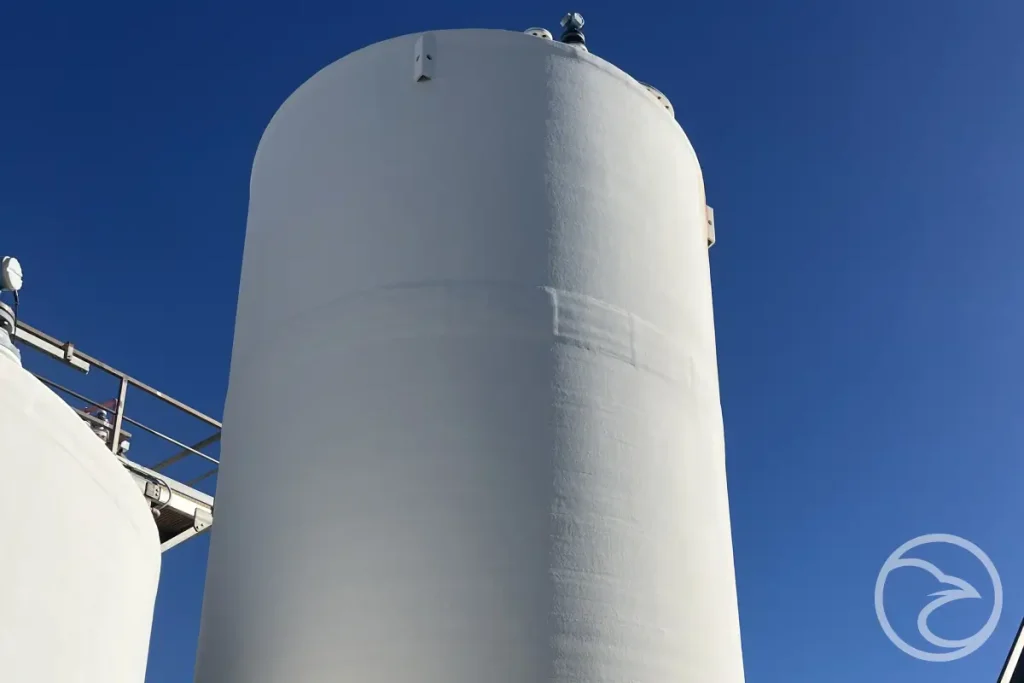
Internal and external inspections provide different information. Neither view should automatically be treated as a complete picture of silo condition. External inspection can identify weather-related deterioration, deformation, cracking, and coating problems.
It can also examine roofs, supporting structures, and accessible connections. Internal inspection focuses on surfaces exposed to the stored material. These areas may experience abrasion, impact, moisture, corrosion, or concentrated material wear.
A silo can appear relatively sound externally while internal deterioration continues. The opposite can also occur. External coatings may show significant weathering while protected internal areas remain in better condition.
Inspection planning should therefore consider which areas must be examined to understand the relevant condition. Access requirements will depend on the silo design, contents, and inspection method.
ROV inspections can provide another option for examining difficult-to-access internal areas and documenting visible defects.
What Should be Recorded During a Silo Inspection?
Finding a defect is only useful if the information is recorded clearly. Good documentation allows inspection findings to be reviewed and compared later. Records should identify exactly where an observation was made.
Useful information can include:
- defect location;
- defect type;
- approximate dimensions;
- crack width where measured;
- corrosion extent;
- photographs;
- wall or component deformation;
- moisture observations;
- coating condition;
- condition of previous repairs;
- testing results where applicable;
- recommended monitoring areas.
Photographs are particularly useful when they include a clear reference to location. Images without context can become difficult to interpret years later.
Measurements should also use consistent reference points. This allows future inspections to determine whether a condition has changed.
Our silo inspection guide to structural defects explains the common defects found during inspections and what they may indicate about silo condition.
Why Photographic Records Matter
Photographs create a visual condition history. A single image documents what an area looked like on one date. Repeated photographs can show whether deterioration is progressing. For example, they may reveal whether corrosion has expanded or a coating defect has increased.
Images can also support crack monitoring. The greatest value comes from consistency. Where practical, future photographs should capture similar locations and perspectives. Inspection reports should also identify where each photograph was taken.
This prevents important visual records from becoming disconnected from the structure.
Cement Silo Inspection Checklist: are there Different Considerations?
A cement silo inspection checklist follows many of the same structural principles as other silo assessments. However, the stored material and operating environment create additional considerations. Cement handling can generate significant dust.
Material movement can also contribute to wear in internal areas. Hoppers, discharge zones, and material flow paths may therefore deserve particular attention.
Inspection may consider:
- internal abrasion;
- wall condition;
- hopper wear;
- discharge areas;
- roof condition;
- dust-related build-up;
- cracks;
- corrosion;
- structural connections;
- access openings;
- previous repairs.
Moisture can also be important. Water ingress can affect both the structure and stored material.
Areas around roof penetrations, hatches, joints, and seals should therefore be considered. The exact checklist should still reflect the silo’s construction, age, operating history, and site conditions.
Inspection and Silo Maintenance Should Work Together
Inspection and maintenance perform different functions, but they are closely connected. A silo maintenance checklist can address routine condition issues between more detailed inspections.
Maintenance activities may include monitoring coatings, seals, access components, and known problem areas. Inspection findings can help determine where maintenance attention should be focused. Likewise, maintenance records can provide valuable information for future inspections.
For example, repeated repairs in one area may indicate a recurring condition. Frequent seal replacement may point to continuing water ingress. This information helps create a more complete condition history.
The objective is not simply to complete separate inspection and maintenance tasks. The records should work together to show how the structure changes over time.
What Happens when an Inspection Finds a Problem?
A checklist helps identify and document defects. It does not automatically determine their cause or significance. The next step depends on the finding. Minor stable deterioration may require documentation and future monitoring.
Other findings may require measurements, testing, engineering assessment, or remediation planning. For example, a crack may require additional assessment if it appears to be changing. Significant corrosion may require investigation of the remaining material condition.
Unexpected deformation can require closer evaluation of the affected structural area. Previous inspection records are particularly valuable at this stage. They help determine whether the finding is new, stable, or progressive.
Understanding common silo structural defects and warning signs can also provide context for these observations. Where significant deterioration is confirmed, tank refurbishment or targeted remediation may form part of the long-term response.
The appropriate action should reflect the condition, cause, and importance of the affected component.
Avoid Treating the Checklist as a Pass-or-Fail Test
A silo inspection checklist creates consistency, but it should not reduce inspection to a simple series of boxes. Two defects that look similar can have very different implications.
Location matters. Structural context matters. Previous condition matters. The rate of change matters. For example, two cracks may have similar widths.
One may have remained unchanged across several inspections. The other may have developed recently and continued to increase. A checklist should therefore support condition assessment rather than replace it.
Observations, measurements, photographs, and historical comparisons provide the context needed to understand individual findings.
Building a Long-Term Silo Inspection Schedule
An effective inspection schedule should develop with the structure. It does not need to remain unchanged throughout the silo’s entire service life. Inspection findings can influence future priorities.
A silo with emerging deterioration may require closer monitoring. Another structure may have stable conditions documented across multiple assessments. Changes in operations can also affect the schedule.
Different stored materials, increased loading cycles, modifications, or environmental changes may introduce new considerations. A useful long-term approach connects several activities:
inspection → documentation → assessment → maintenance or remediation → monitoring → follow-up inspection
Each stage provides information for the next.
This creates a condition history rather than a collection of unrelated inspection reports.
Professional silo inspection can support this process by identifying structural deterioration and providing information for future maintenance and remediation decisions.
Key Takeaways
A silo inspection checklist helps ensure important structural areas are examined consistently. However, the checklist should be combined with appropriate inspection timing and accurate condition records.
Silo walls, roofs, hoppers, connections, openings, supports, internal surfaces, and previous repairs can all provide important information. Inspection frequency should reflect the individual silo rather than a universal timetable. Age, construction, stored material, operating conditions, environmental exposure, and previous findings can influence inspection requirements.
Additional inspections may also be appropriate after unusual events or visible structural changes. Most importantly, each inspection should contribute to a longer condition history.
Consistent records make it easier to identify change, monitor known defects, and plan future maintenance or remediation. Over time, this approach provides a clearer understanding of how the silo is performing and where closer attention may be required.