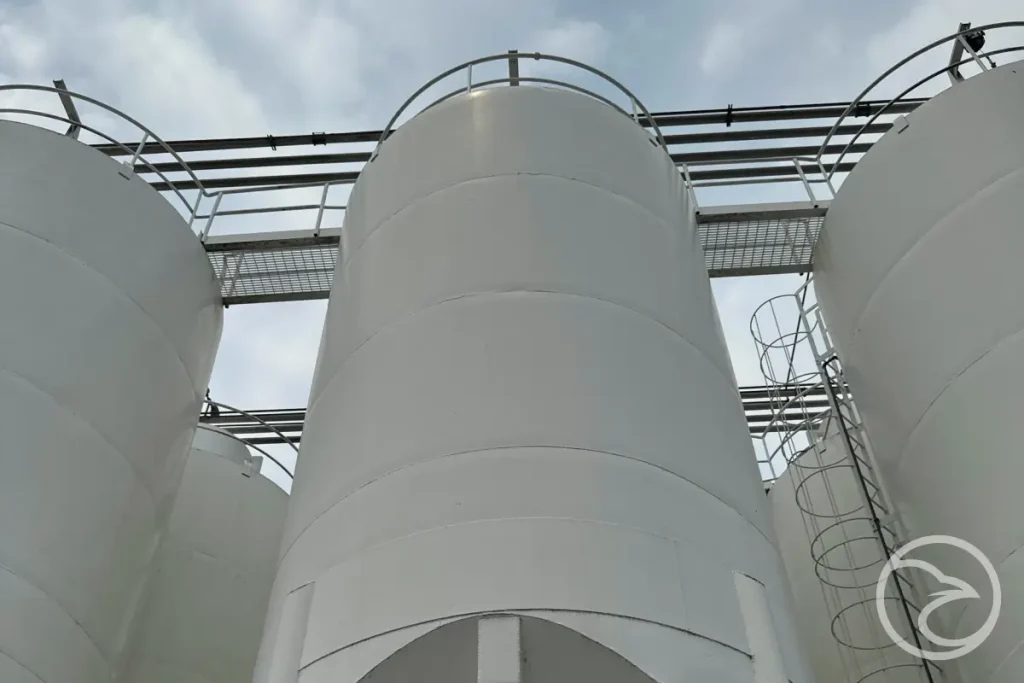
Why Silo Inspections Matter: Risks, Safety and Long-Term Performance
Silos are critical structures used in industrial and agricultural operations. They store large volumes of materials under constant pressure and stress. Over time, structural components can weaken due to environmental exposure and operational loads. Without regular evaluation, small issues can develop into serious problems. This increases safety risks and operational costs. Understanding why inspections matter helps prevent unexpected failures. The Role of Silo Inspection Silo inspections evaluate structural condition, safety, and performance. They focus on key components such as walls, joints, and foundations. Inspectors also assess internal surfaces and material buildup. Many structural issues develop internally and are not visible from the outside. Because of this, inspections are essential for detecting hidden risks early. Inspection timing is equally important. Learn more about silo inspection frequency and when inspections should be scheduled. Why Silo Inspections are Important Every silo is exposed to constant stress during operation. This includes pressure, vibration, and environmental changes. Over time, these factors lead to gradual deterioration. One of the main risks is hidden structural damage. Cracks, corrosion, and material fatigue may not be immediately visible. If not detected early, these issues can lead to leaks, deformation, or failure. Inspections also help maintain product quality. Residue buildup and contamination can affect stored materials. In some cases, dust accumulation increases fire or explosion risks. When these issues are suspected, a professional silo crack testing inspection can help identify hidden defects before they become major structural problems. Common Risks in Uninspected Silos Failing to inspect a silo regularly can lead to multiple problems. Structural Damage Cracks and corrosion weaken the structure over time. This can result in deformation or collapse. Contamination Material buildup and damaged seals affect product quality. This is especially critical in agricultural storage. Operational Issues Flow problems such as blockages or uneven discharge may occur. These issues reduce efficiency and increase downtime. Safety Hazards Unidentified damage can pose risks to workers. Structural failure or material release may lead to accidents. Increased Maintenance Costs Small issues are easier and cheaper to fix early. Delayed repairs often result in higher costs. Key Areas Checked During Inspections Silo inspections focus on several critical areas that influence performance: Each of these elements plays a role in overall stability. How Inspections Support Long-Term Performance Regular inspections help extend the lifespan of silo structures. By identifying issues early, operators can plan maintenance and avoid unexpected breakdowns. Inspections also support safety and compliance. Facilities must meet industry standards and operational requirements. Consistent evaluation ensures these standards are maintained. Over time, this leads to improved performance and reduced risk. When Should a Silo be Inspected Inspection frequency depends on usage and operating conditions. However, certain situations require immediate evaluation: Routine inspections help detect early-stage issues. How this Relates to Silo Inspection Methods Understanding the importance of inspections is only the first step. Different methods are used to detect specific types of damage. For example, crack detection requires specialized techniques to identify both surface and internal defects. Learn more about silo crack testing and how these methods are applied. Final Thoughts Silo inspections play a key role in maintaining safety and performance. They help identify risks early, reduce downtime, and extend asset life. A structured inspection approach allows operators to make better decisions and avoid unexpected failures.
Why Silo Inspections Matter: Risks, Safety and Long-Term Performance Read More »