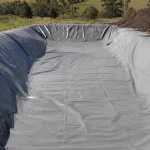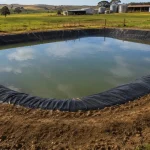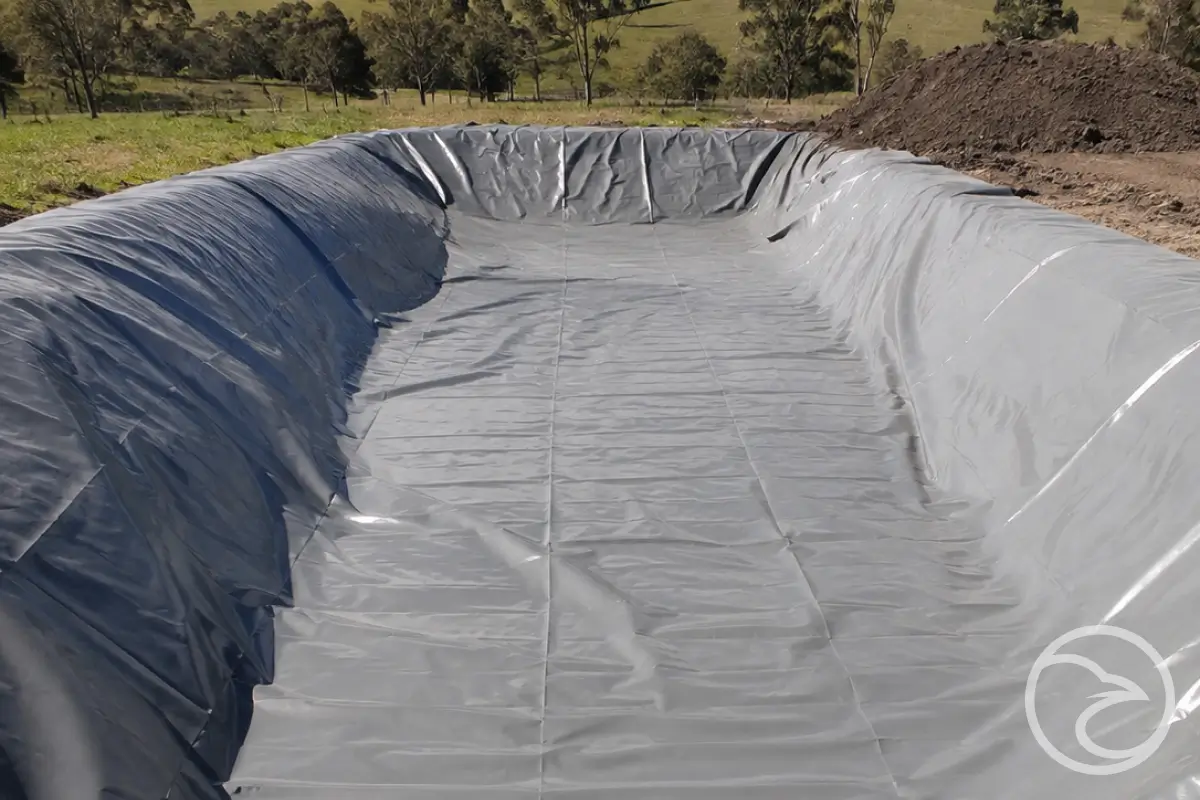
A pit liner is designed to keep liquids contained and protect the surrounding ground. When installed correctly and used under suitable conditions, it can provide reliable protection for years.
However, no liner is completely immune to damage. A small puncture may develop after equipment contacts the membrane. Ground movement can place stress on seams. Sunlight and chemical exposure may gradually affect certain materials.
The challenge is that pit liner problems are not always obvious. A liner can appear intact while a damaged seam allows liquid to escape. An unexpected drop in water level may indicate a leak, but evaporation could also explain it.
Knowing what to look for makes a difference. This guide explores seven warning signs of pit liner damage, explains common causes, and outlines practical steps for inspection, maintenance, and repair.
Can a Pit Liner Fail without Visible Damage?
Yes. Some pit liner problems can develop without leaving obvious signs on the exposed membrane. Imagine a containment pit that has operated normally for several years. The liner looks intact, and no large tears are visible. Then, the facility manager notices that the liquid level drops faster than usual.
There could be several explanations, including evaporation, drainage, operational changes, or leakage. If the liner is leaking, the damaged area may be hidden beneath the liquid. A small opening along a seam can also be difficult to identify during a routine visual inspection.
Other problems may develop underneath the membrane. For example, soil settlement can create unsupported areas that place additional stress on the liner. Groundwater pressure beneath the liner may also cause lifting or deformation under certain conditions.
These changes may not become noticeable until the system experiences additional loading. The absence of visible damage does not guarantee that a pit liner is leak-free.
This is why regular inspections should consider both the membrane and the surrounding containment area. Changes in liquid levels, ground conditions, or liner positioning can provide important clues.
Early detection of damage helps maintain the reliability of pit liners in industrial containment systems.
7 Warning Signs Your Pit Liner may have a Problem
Some signs of pit liner damage are easy to recognize. Others require closer observation. The following seven warning signs can help facility owners identify situations that deserve further investigation.
1. The Liquid Level Drops Unexpectedly
An unexplained decrease in liquid level is one possible sign of a pit liner leak. However, not every change indicates membrane damage. Outdoor containment pits can lose water through evaporation. Industrial operations may also involve pumping, transfer, or planned drainage.
Before assuming the liner is leaking, review the normal operating conditions.
Consider these questions:
Has the weather been unusually hot or dry?
Has the facility transferred or removed liquid?
Are pumps, valves, and connected pipes functioning correctly?
Is the liquid level dropping faster than expected?
Does the change continue when normal operations stop?
Consistent measurements can help identify unusual patterns. For example, a sudden increase in unexplained liquid loss deserves attention, especially when operating conditions remain unchanged.
A damaged liner is only one possible cause. The problem may also involve connected equipment or other containment components. If the cause remains unclear, a qualified inspection may be necessary.
2. You Notice Tears, Holes, or Surface Damage
Visible membrane damage is one of the clearest warning signs. A puncture may occur when sharp equipment contacts the liner. Tears can develop when the material experiences excessive stress or mechanical impact.
Even relatively small openings can compromise containment.
Common causes of physical damage include:
Sharp tools or equipment.
Falling objects.
Unprotected vehicle or machinery contact.
Stones or debris beneath the membrane.
Excessive pulling during maintenance.
Animal activity in exposed containment areas.
The location of the damage matters. A small hole in an accessible section may be easier to repair than damage beneath stored liquid. Damage near a seam, corner, or penetration may require additional evaluation.
Do not assume a small puncture is harmless because the surrounding liner looks strong. The appropriate response depends on the liquid being contained, the damage location, and the system’s operating requirements.
Visible damage should be documented and evaluated promptly.
3. The Liner Develops Unusual Wrinkles or Movement
Not every wrinkle indicates a problem. Some geomembranes naturally expand and contract as temperatures change. For example, exposed polyethylene liners may develop wrinkles during hot weather.
These wrinkles can become less noticeable as the membrane cools. However, sudden or unusual changes in liner position deserve attention.
Watch for:
New folds that were not present before.
Sections pulling away from the supporting ground.
Unexpected bulges beneath the membrane.
Movement around corners or slopes.
Changes near anchoring points.
Several factors can contribute to these conditions. Temperature changes may alter membrane dimensions. Soil settlement can change the supporting surface. Groundwater pressure may cause uplift in certain installations. Improper anchoring can also allow unwanted movement.
The key is understanding whether the change is expected for the material and installation. A wrinkle alone does not confirm liner failure.
However, unusual deformation combined with liquid loss or visible damage may indicate a more serious problem.
Our pit liner materials guide explains how material selection affects durability, flexibility, and long-term containment performance.
4. Seams Begin to Separate or Look Damaged
Many large pit liners consist of multiple membrane panels joined together. The connections between these panels are called seams.
When properly constructed, seams help create a continuous containment barrier. However, seam damage can create potential leakage paths.
Signs that deserve attention include:
Visible separation between membrane panels.
Openings along a seam.
Cuts or tears near welded areas.
Unusual deformation around connections.
Previously repaired seams showing new damage.
Seam problems can have several causes. Poor installation conditions may affect the original connection. Ground movement can place additional stress on certain areas. Mechanical damage during operation may also affect seams.
Sometimes, a defect is not visible from the surface. That is why a visual inspection cannot replace appropriate testing when leakage is suspected.
A qualified technician can determine which inspection methods suit the liner material and seam configuration. Avoid applying random adhesives or patches without confirming compatibility.
An unsuitable repair may fail or complicate future work.
5. The Ground Around the Pit Becomes Unusually Wet
Unexpected moisture around a containment pit can raise concerns about possible leakage. For example, a facility manager may notice damp soil near an area that normally remains dry. In some situations, unusual vegetation growth or persistent wet spots may also suggest changing moisture conditions.
However, these signs are not proof of liner damage. Rainfall, surface drainage, irrigation, groundwater, or leaking pipes may produce similar conditions. The first step is identifying other possible moisture sources.
Consider whether the wet area appeared after heavy rain or changes in facility operations. If the moisture persists without an obvious explanation, further investigation may be appropriate. This is particularly important when the pit contains liquids that could harm the surrounding environment.
Suspected leakage involving hazardous liquids requires prompt action under the facility’s containment and emergency procedures. Do not wait for visible contamination to spread before evaluating the situation.
6. The Liner Looks Brittle, Discolored, or Worn
Pit liner materials respond differently to sunlight, temperature, chemicals, and aging. Some membranes are designed for long-term outdoor exposure. Others require protection from certain environmental conditions.
Over time, unsuitable exposure may change a liner’s appearance or physical properties.
Potential warning signs include:
Cracking or surface splitting.
Noticeable loss of flexibility.
Unusual swelling or softening.
Surface erosion or abrasion.
Discoloration accompanied by other changes.
Repeated damage in exposed areas.
Appearance alone does not always indicate failure. For example, discoloration may occur without significantly affecting a material’s containment performance. However, changes in flexibility, cracking, or chemical-related deterioration deserve closer attention.
The type of liquid stored in the pit is especially important. A membrane compatible with water may not be suitable for every industrial chemical.
Temperature and concentration can also affect chemical compatibility. For more information about material differences, read our guide to Pit Liner Materials: Types, Uses, Pros & Cons.
Understanding the original material specifications helps determine whether observed changes are expected or concerning.
7. The Pit Liner Pulls Away from its Edges
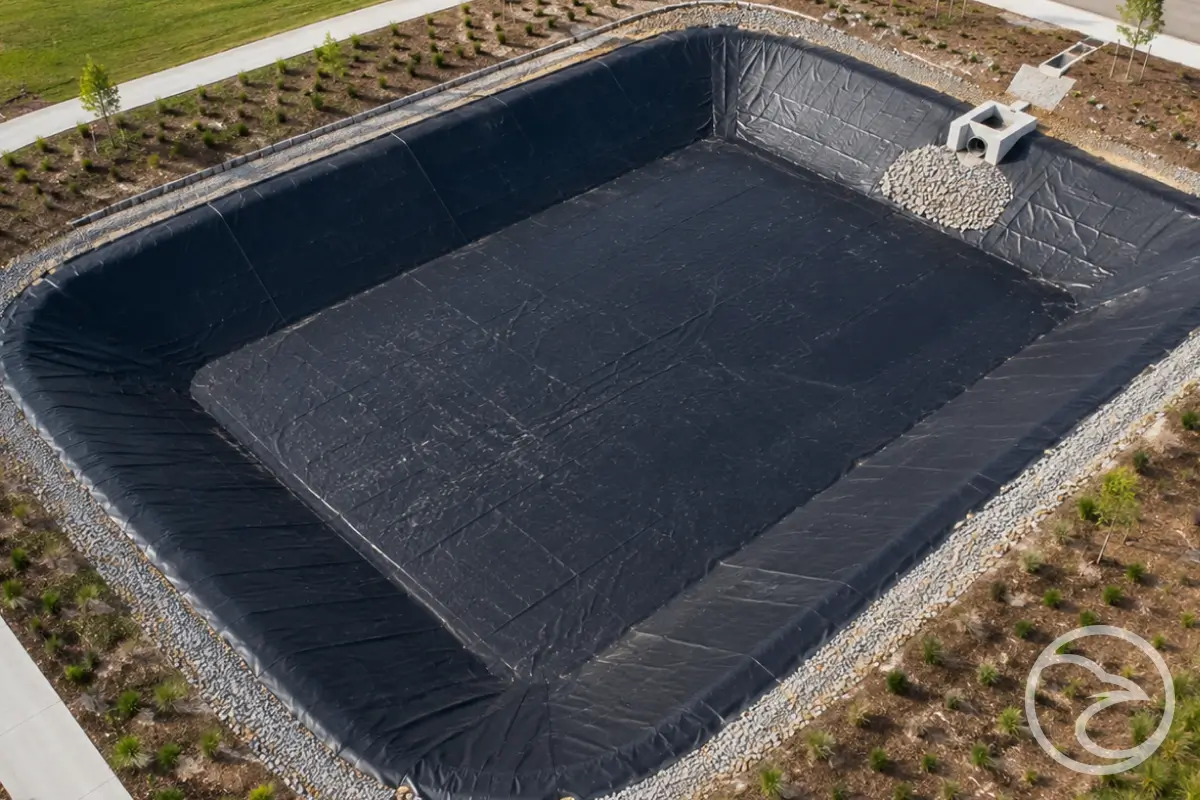
The perimeter of a pit liner helps keep the membrane positioned correctly. Many installations use anchor trenches or other engineered anchoring systems. If the liner begins pulling away from its edges, the containment system may experience unwanted movement.
This can happen for several reasons. Excessive membrane tension may place additional force on anchor points. Soil erosion or settlement can affect the supporting ground.
Improper installation may also contribute to movement.
Signs worth checking include:
Exposed or displaced liner edges.
Changes around anchor trenches.
Tears near perimeter connections.
Unexpected movement along slopes.
Areas where the liner no longer follows the intended contours.
Edge movement can create additional stress elsewhere in the membrane. It may also affect how the liner responds to filling and emptying.
Because anchoring is part of the overall containment design, repairs should follow appropriate engineering requirements. Simply pulling the membrane back into position may not address the underlying cause.
Why do Pit Liners Develop Problems Over Time?
Pit liner damage does not always result from a single accident. Sometimes, several small stresses combine over years of operation.
A liner may experience sunlight, temperature changes, mechanical loading, and repeated maintenance activities. Each factor can influence long-term performance.
Sunlight and Weather Exposure
Outdoor pit liners may remain exposed to sunlight for extended periods. Ultraviolet radiation can degrade certain polymer materials over time.
However, UV resistance varies significantly between products. Some geomembranes contain stabilizers designed to improve outdoor durability.
Temperature changes can also cause expansion and contraction. These movements are normal within suitable operating limits, but installation details must accommodate them.
Chemical Exposure
Chemical compatibility is essential for liquid containment. Some liquids can affect membrane properties through swelling, softening, or other forms of degradation.
The risks depend on the chemical, concentration, temperature, exposure duration, and liner formulation. A material should be evaluated for the actual substances it will contain.
General material descriptions are not substitutes for product-specific compatibility information.
Ground Movement
The soil beneath a pit liner provides important support. If that soil settles, erodes, or shifts, the membrane may experience new stresses.
Groundwater pressure can also affect certain containment systems. Changes beneath the liner may create bulges, tension, or unsupported sections.
These conditions often require more than a surface repair.
Mechanical Damage
Daily operations can introduce unexpected hazards. Maintenance tools, equipment, and falling objects may contact exposed membranes.
Repeated abrasion can also affect areas exposed to movement or contact. Protecting the liner during routine work helps reduce these risks.
Installation Quality
Some problems begin before the containment pit enters service. Poor surface preparation, excessive membrane tension, or inadequate seam construction can create weaknesses.
These weaknesses may become more noticeable after repeated loading or environmental exposure.
Our article pit liner installation mistakes and how to avoid them explores how installation decisions influence long-term performance.
What Should You do when You Suspect a Pit Liner Leak?
Discovering a possible leak can be concerning, especially when a pit contains industrial liquids. The correct response depends on the stored liquid, potential environmental consequences, and site safety requirements.
A suspected leak should not be ignored.
First, Assess the Situation
Determine whether there is evidence of active liquid loss or visible damage. Review available level measurements and operating records.
Check whether pumping, evaporation, rainfall, or connected equipment could explain the changes. If hazardous liquids are involved, follow the facility’s emergency and spill-response procedures immediately.
Operations may need to stop, and the affected system may require isolation. Do not enter a pit or attempt an inspection without appropriate safety controls.
Document what You Notice
Useful observations may include:
When the problem first appeared.
Changes in liquid level.
Visible membrane damage.
Unusual moisture around the pit.
Recent maintenance or equipment activity.
Weather conditions.
Photographs taken from a safe location.
These details can help an inspection team identify possible causes. Documentation also provides a reference for future monitoring.
Arrange an Appropriate Inspection
Some defects are easy to locate visually. Others require specialized investigation or testing.
A qualified professional can assess the membrane, seams, anchoring, and surrounding conditions. The inspection method should match the liner material and suspected problem.
Avoid Temporary Fixes without Proper Evaluation
A general-purpose adhesive or patch may not bond correctly to the membrane. Different materials require different repair methods. For example, polyethylene geomembranes commonly require compatible thermal welding procedures.
A repair must also account for the location and cause of the damage. Covering a visible hole will not solve ongoing soil movement or chemical incompatibility.
The underlying issue must be addressed to reduce the risk of repeated failure.
Can a Damaged Pit Liner be Repaired, or does it Need Replacement?
Not every damaged pit liner needs complete replacement. Some problems can be corrected through localized repairs.
Others indicate broader deterioration that may require replacing a section or the entire membrane. The decision depends on the type and extent of damage.
When Repair may be Possible
Localized damage may be repairable when the surrounding membrane remains suitable for continued service. Examples include certain isolated punctures, cuts, or seam defects.
A qualified technician must determine whether an approved repair method is available. The damaged area must also be accessible. Repairs beneath stored liquid may require draining or isolating the affected section.
The repair procedure should match the membrane material and project requirements. Completed repairs may also require inspection or testing.
When Replacement may be More Appropriate
Replacement may deserve consideration when damage is widespread or the membrane has experienced significant deterioration.
Examples include:
Numerous defects across the liner.
Extensive cracking or loss of material integrity.
Significant chemical incompatibility.
Repeated failures affecting multiple areas.
Damage that cannot be repaired reliably.
A membrane that no longer meets the containment requirements.
Age alone does not automatically determine whether replacement is necessary. A relatively old liner may remain suitable under favorable conditions.
A newer liner can experience serious damage from improper chemical exposure or mechanical impact. The overall condition and performance requirements matter more than a simple age threshold.
Repair vs. Replacement: what Should You Consider?
| Factor | Repair May Be Suitable | Replacement May Be Needed |
|---|---|---|
| Damage extent | Isolated, accessible defect | Widespread or recurring damage |
| Material condition | Surrounding liner remains sound | Significant overall deterioration |
| Chemical compatibility | Material remains suitable | Material is incompatible with stored liquid |
| Seam condition | Localized repairable defect | Multiple failing connections |
| Long-term reliability | Repair can meet project requirements | Reliable performance cannot be restored |
These are general considerations, not universal replacement rules. A professional assessment should guide the final decision.
How often Should You Inspect a Pit Liner?
There is no single inspection schedule that fits every containment pit. A liner exposed to frequent equipment activity may require different monitoring from one in a controlled environment.
The appropriate frequency depends on several factors.
These include:
The type of liquid being contained.
Environmental and regulatory requirements.
Liner material and age.
Exposure to sunlight and weather.
Operating conditions and mechanical loads.
Previous damage or repair history.
Manufacturer and engineering recommendations.
Some facilities may need frequent operational checks and more detailed periodic inspections. Others may have specific inspection requirements established by permits or site procedures.
The inspection schedule should reflect the risks associated with the containment system.
What Should a Routine Inspection Include?
A practical visual inspection can focus on observable changes. Check exposed membrane areas for cuts, punctures, cracking, or unusual deformation.
Look for changes around seams, corners, and anchoring points. Review the surrounding ground for unexpected moisture or settlement. Compare current observations with previous inspection records.
If the pit contains liquid, remember that submerged sections may not be visible. A routine surface check cannot confirm the condition of the entire membrane.
Why Inspection Records Matter
Photographs, measurements, and written observations help identify changes over time. For example, a wrinkle that remains unchanged for years may be less concerning than sudden deformation.
Records also help distinguish recurring problems from isolated incidents. Documenting repairs makes future assessments easier.
A consistent inspection history supports better maintenance decisions.
Small Problems vs. Serious Damage: when Should You Act?
Not every unusual mark requires replacing a liner. However, some warning signs deserve immediate investigation.
The following table provides a practical starting point.
| What You Notice | What It Could Mean | Recommended Action |
|---|---|---|
| Minor surface scratch | Possible superficial wear | Document and assess |
| Visible puncture or tear | Potential leakage path | Arrange prompt professional evaluation |
| Unexpected liquid loss | Possible leak or operational issue | Investigate without delay |
| Damaged or separating seam | Potential containment weakness | Arrange professional inspection |
| New wrinkles or bulges | Temperature effects, movement, or pressure | Check for underlying causes |
| Persistent wet ground | Possible leakage or drainage issue | Investigate the moisture source |
| Cracking or brittleness | Possible material deterioration | Evaluate membrane condition |
| Displaced liner edge | Potential anchoring or movement problem | Assess anchoring and stability |
The urgency also depends on what the pit contains. A suspected leak involving hazardous or environmentally harmful liquids may require immediate containment measures.
Even when the stored liquid is relatively low-risk, unresolved damage should not be ignored. Small defects can become harder to address after additional loading or continued operation.
How to Reduce the Risk of Future Pit Liner Problems
Preventing damage is usually easier than managing an unexpected containment failure. Although no maintenance program can eliminate every risk, several practices can improve long-term reliability.
Keep Sharp Objects Away From the Membrane
Avoid dragging tools, equipment, or abrasive materials across exposed liner surfaces. Use appropriate protective measures when maintenance activities could contact the membrane.
Remove debris that might damage accessible areas.
Monitor Operating Conditions
Changes in stored liquids, temperature, or operating procedures can affect liner performance. Confirm that the membrane remains suitable for its intended use.
Do not assume compatibility with new chemicals without checking the relevant specifications.
Pay Attention to Drainage and Ground Conditions
Uncontrolled surface water and erosion may affect the area surrounding the pit. Ground movement can create additional stresses on the containment system.
Unusual settlement, wet spots, or slope changes deserve attention.
Address Damage Promptly
Small defects may be easier to repair before they become larger problems. Delaying an inspection can allow damage to progress.
When repairs are needed, use methods compatible with the liner material.
Maintain Clear Inspection Records
Keep photographs, inspection notes, repair documentation, and material information together. These records help identify trends and support future maintenance planning.
They can also help contractors understand the system’s history when repairs become necessary.
Conclusion
Pit liner problems do not always begin with a major tear or obvious leak. Small changes in liquid levels, membrane appearance, seams, or surrounding ground conditions can provide early warning signs.
Recognizing these changes helps facility owners investigate potential problems before they become more difficult to manage. Regular inspections, suitable operating conditions, and timely repairs all support reliable containment.
Most importantly, the liner must remain compatible with the liquids and conditions it encounters.