Industrial storage tanks are built to withstand years of operation. However, constant exposure to moisture, chemicals, temperature changes, and operational stress can gradually affect their condition.
Over time, even well-maintained tanks can develop structural issues that reduce performance and increase safety risks. Recognizing the early warning signs of deterioration allows facility owners to take corrective action before major repairs or replacement become necessary.
Why Early Detection Matters
Tank deterioration rarely happens overnight. Most problems develop gradually and become more expensive when left unaddressed. Early identification helps reduce downtime, improve safety, and extend asset life.
In many cases, a timely tank refurbishment services project can restore performance and prevent further damage. To better understand the factors that contribute to deterioration.
Visible Corrosion and Rust
Corrosion is one of the most common indicators that a tank requires attention. Surface rust may appear minor at first, but it often signals deeper material degradation.
Common signs include:
- Rust spots on external surfaces
- Flaking or blistering coatings
- Discoloration around welds
- Corrosion near nozzles and connections
- Pitting on steel surfaces
If corrosion continues to spread, it can weaken structural components and increase the risk of leaks. Learn about the common of tank corrosion causes.
Coating Failure
Protective coatings play an important role in preserving tank integrity. When coatings begin to fail, the underlying material becomes exposed to moisture and contaminants.
Warning signs include:
- Peeling paint
- Cracking coatings
- Bubbling or blistering
- Uneven coating thickness
- Areas of exposed metal
Coating deterioration often accelerates corrosion and should not be ignored.
Leaks and Moisture Intrusion
Even small leaks can indicate larger structural problems. Leaks may develop due to corrosion, damaged welds, material fatigue, or joint deterioration.
Signs of leakage include:
- Wet areas around the tank
- Water accumulation near the foundation
- Product loss
- Staining beneath fittings
- Persistent moisture around seams
Identifying the source of leakage early helps prevent additional damage.
Structural Deformation
A tank should maintain its original shape throughout normal operation. Visible changes in shape often indicate structural stress.
Look for:
- Bulging walls
- Distorted panels
- Uneven settlement
- Bent structural members
- Changes around support structures
Structural deformation may indicate overloading, foundation movement, or material deterioration.
Cracks and Weld Defects
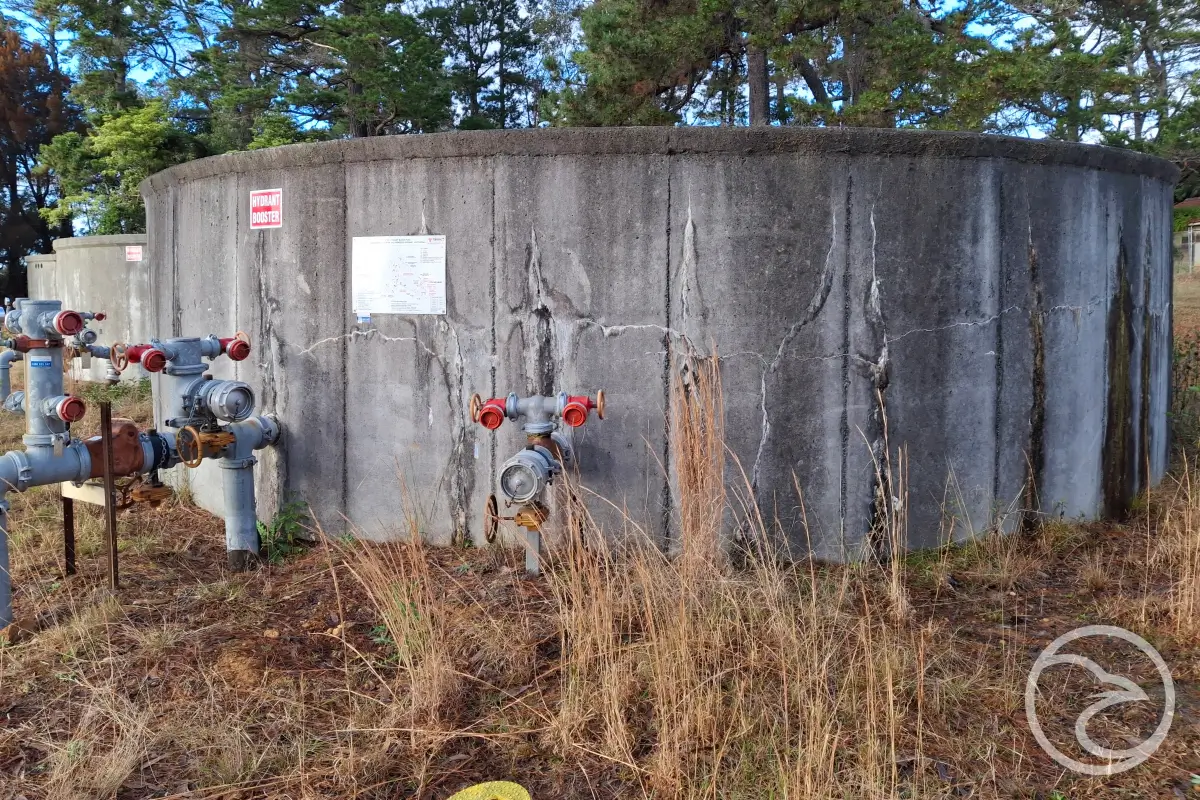
Cracks should always be investigated. They may appear in tank walls, welds, floors, supports, or connections.
Common concerns include:
- Surface cracking
- Weld separation
- Fatigue cracking
- Stress-related fractures
- Expansion joint damage
These defects can compromise structural integrity and increase operational risks.
Frequent Maintenance Issues
An increasing number of repairs often signals a larger underlying problem. Repeated maintenance may temporarily address symptoms without resolving the root cause.
Potential warning signs include:
- Recurring leaks
- Repeated coating repairs
- Repeated coating repairs
- Frequent component replacement
- Growing maintenance costs
In these situations, refurbishment may provide a more cost-effective long-term solution than continual repairs.
Reduced Operational Performance
Tank condition directly affects operational efficiency. As deterioration progresses, performance issues often become more noticeable.
Examples include:
- Reduced storage reliability
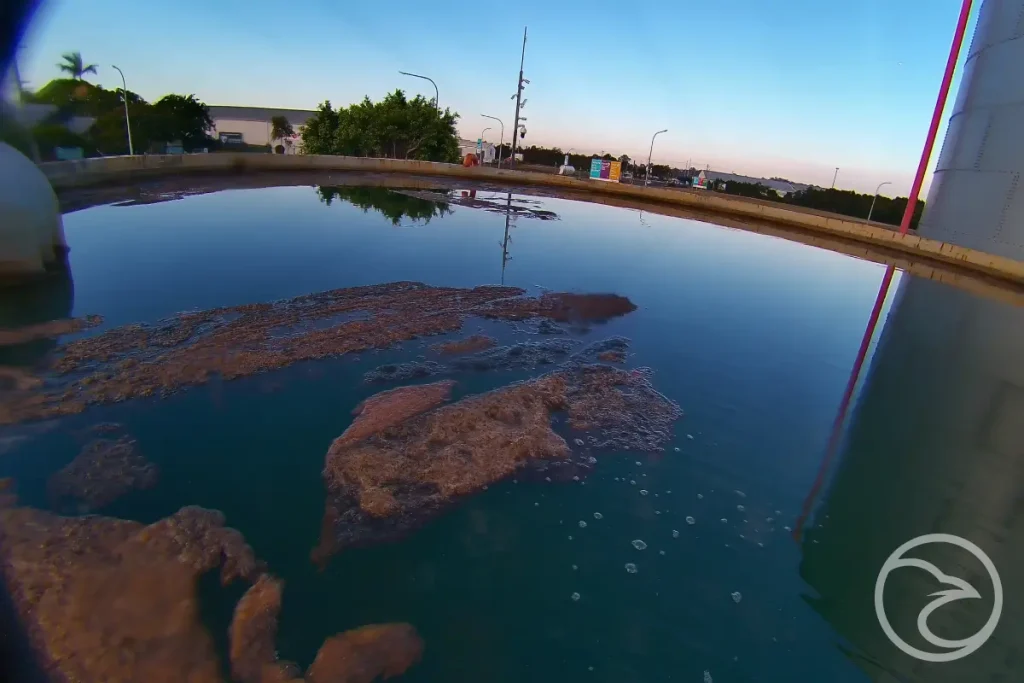
- Product contamination concerns
- Increased cleaning requirements
- Difficulty maintaining compliance
- Unexpected operational interruptions
These issues can affect productivity and increase operating costs.
The Importance of Tank Inspections
Not all deterioration is visible from the outside. Professional inspections help identify hidden defects before they become serious structural concerns.
A comprehensive inspection may evaluate:
- Structural integrity
- Corrosion levels
- Coating condition
- Weld quality
- Foundation performance
- Internal tank surfaces
Learn how tank inspections support refurbishment decisions and help facility owners prioritize maintenance activities.
When Refurbishment may be the Right Option
Refurbishment is often recommended when a tank remains structurally viable but requires restoration.
Typical refurbishment work may include:
- Surface preparation
- Corrosion removal
- Coating replacement
- Structural repairs
- Weld remediation
- Component upgrades
Compared to replacement, refurbishment can reduce costs while extending service life. For a detailed comparison, see tank refurbishment vs tank replacement.
Conclusion
Industrial tanks naturally experience wear over time. The key is identifying problems before they become critical. Corrosion, coating failure, leaks, structural deformation, and recurring maintenance issues are all signs that a tank may require refurbishment.
Addressing these issues early helps improve safety, reduce downtime, and protect long-term asset value.