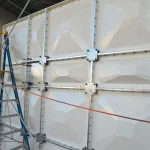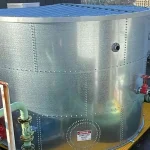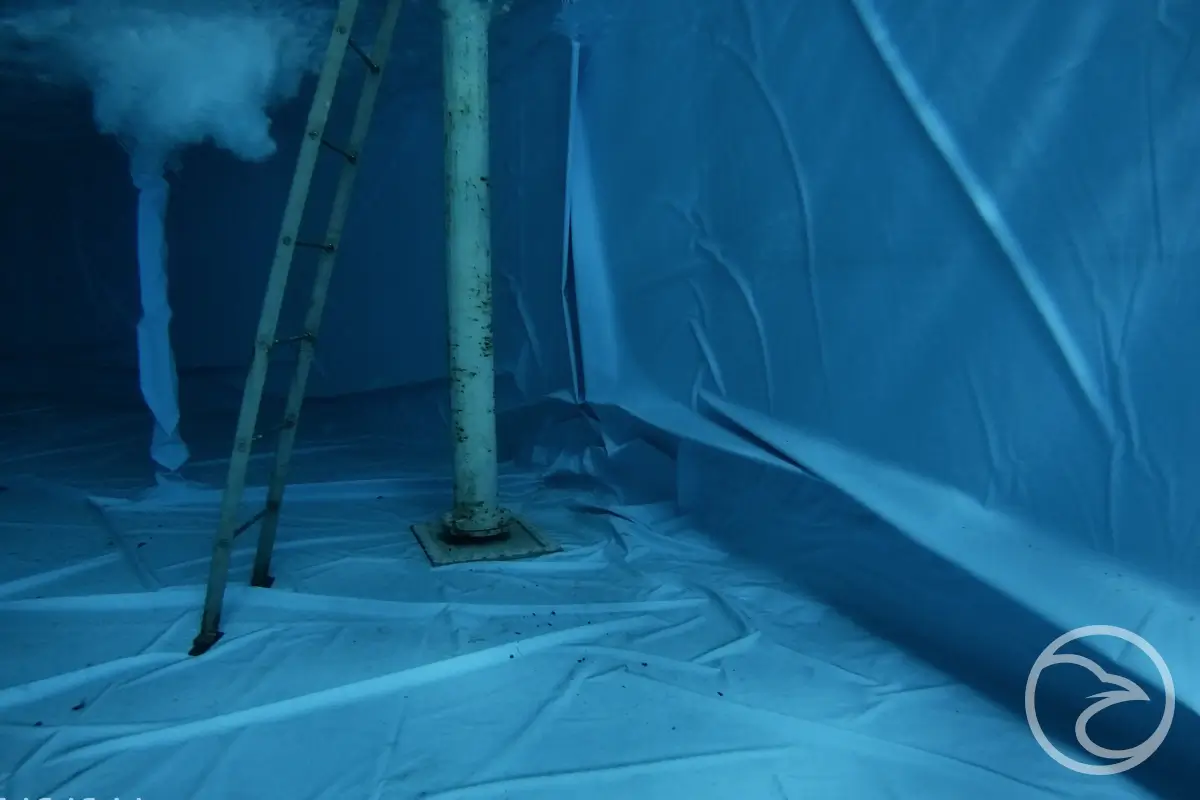
Effective tank monitoring is essential for maintaining safety, operational continuity, and long-term asset performance. Water, fire, and industrial tanks require regular assessment to detect structural issues, corrosion, or early signs of failure. Traditionally, this process relied on manual inspections that were time-consuming, disruptive, and often risky. Today, tank monitoring with drones offers a safer and more efficient alternative.
Why Traditional Tank Monitoring Methods are Changing
Conventional tank monitoring typically involves draining tanks, erecting scaffolding, or sending personnel into confined spaces. These procedures can interrupt operations, increase safety risks, and extend inspection timelines. For facilities that rely on uninterrupted water supply or emergency readiness, such disruptions create significant operational challenges.
As infrastructure systems age and regulatory expectations increase, facility managers are looking for monitoring methods that reduce risk while still delivering reliable condition data.
What is Tank Monitoring with Drones?
Tank monitoring with drones refers to the use of aerial drones (UAVs) and underwater remotely operated vehicles (ROVs) to observe and document tank conditions. These systems are equipped with high-resolution cameras, lighting systems, and stabilization technology that allow them to capture detailed visual data in hard-to-access environments.
By operating remotely, drones can monitor internal and external tank surfaces without the need for human entry, extensive preparation, or system shutdowns.
Aerial Drones vs. Underwater ROVs
Different tank environments require different monitoring tools. Drone-based monitoring typically uses two main technologies.
Aerial Drones (UAVs)
Aerial drones are commonly used for above-water inspections or internal assessments through access hatches. They are effective for monitoring:
- fire tanks
- elevated storage tanks
- industrial tanks with overhead access
- partially drained water tanks
UAVs provide clear visual coverage of roofs, walls, joints, and structural components.
Underwater ROVs
Underwater ROVs are designed to operate fully submerged inside tanks and reservoirs. They are suitable for:
- clean water tanks
- fire water tanks
- industrial reservoirs
- concrete and panel tanks
Because ROVs do not require draining the tank, they support continuous operation while still delivering reliable monitoring data.
Key Benefits of Tank Monitoring with Drones
Improved Safety
Drone-based monitoring removes the need for confined-space entry and working at height. By keeping personnel outside the tank, facilities significantly reduce exposure to falls, contamination, and low-oxygen environments.
Operational Continuity
One of the most important advantages of tank monitoring with drones is the ability to assess tank conditions while systems remain in service. This is especially valuable for fire water tanks and facilities with constant water demand.
Faster Monitoring Cycles
Drone-based monitoring can be completed in a fraction of the time required for traditional inspections. Faster data collection allows facilities to identify issues earlier and respond more efficiently.
High-Resolution Visual Data
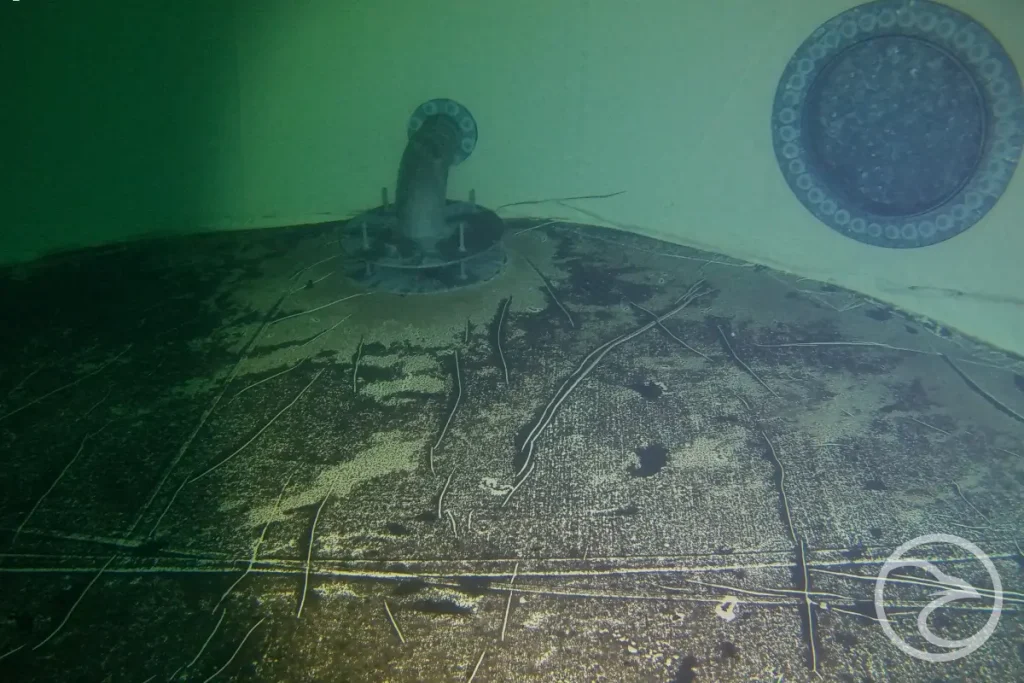
Modern drones capture detailed imagery that helps detect:
- corrosion
- wall deformation
- loose bolts or fittings
- sediment accumulation
- coating deterioration or leaks
This level of visibility supports more accurate condition assessments.
Reduced Environmental Impact
Because tanks do not need to be drained, drone-based monitoring helps preserve thousands of liters of usable water. This makes the approach more sustainable than traditional inspection methods.
How Drone-Based Monitoring Supports Maintenance Planning
By supplying consistent visual data, tank monitoring with drones supports proactive maintenance strategies. Facility managers can:
- identify maintenance needs earlier
- schedule repairs based on actual conditions
- estimate repair timelines and budgets more accurately
- reduce emergency repair costs
- prioritize preventive maintenance
Because the monitoring process is minimally disruptive, data can be collected more frequently, creating a clearer picture of asset condition over time.
In situations where more advanced or specialized monitoring is required, facilities may rely on remote inspection technologies to support detailed assessments in confined, internal, or underwater tank environments.
Limitations to Consider
While drone-based monitoring offers many advantages, certain conditions may affect performance. These include extremely turbid water, tanks without access points, internal obstructions, or highly reflective stainless steel surfaces. In such cases, alternative monitoring methods may be required.
Conclusion: the Value of Tank Monitoring with Drones
Tank monitoring with drones has become a valuable tool for modern infrastructure management. By combining remote operation, high-quality visual data, and minimal disruption, drone technology supports safer monitoring, smarter maintenance planning, and improved long-term reliability.
As facilities continue to prioritize safety and efficiency, drone-based monitoring is increasingly becoming a standard approach to managing critical tank systems.