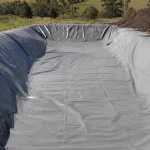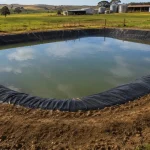
A pit liner may look simple. It is a protective membrane placed inside a pit to prevent liquids from reaching the surrounding soil. However, even a high-quality liner can fail when installed incorrectly.
A small rock beneath the membrane can eventually cause a puncture. Poorly sealed seams may allow liquids to escape. Incorrectly secured edges can create problems when the pit fills with water.
These issues are not always visible immediately. Some develop gradually as the liner experiences pressure, temperature changes, and everyday operating conditions.
That is why pit liner installation involves more than placing a membrane inside an excavation. The ground, pit shape, seams, weather, and installation methods all influence its performance.
Understanding these factors helps facility owners and project managers recognize potential problems before they become expensive repairs.
This guide explains what makes a pit liner installation reliable, which mistakes matter most, and what to check before use.
Why does Pit Liner Installation Matter so Much?
Imagine two industrial containment pits using the same HDPE liner. Both have similar dimensions and store the same type of liquid. The first pit has a smooth, stable foundation. Its membrane fits the slopes correctly, and every seam has been tested.
The second pit contains small rocks beneath the liner. Some sections are stretched tightly, and several seams were not properly inspected.
Although both systems use the same material, their long-term performance may be very different. The second installation faces greater risks of punctures, seam failures, and excessive membrane stress.
This example illustrates an important point: a durable liner material does not automatically create a reliable containment system.
Installation quality affects several important areas:
Leak prevention: Properly joined seams and protected surfaces reduce potential leakage paths.
Mechanical protection: A suitable foundation helps prevent punctures and concentrated pressure.
Long-term durability: Correct placement reduces unnecessary stress on the membrane.
Containment stability: Secure anchoring helps keep the liner in its intended position.
Maintenance requirements: A properly installed system may experience fewer avoidable problems.
These factors matter whether the pit stores clean water, industrial wastewater, or other compatible liquids.
Understanding the available pit liners options can help facility owners choose the right containment solution for their projects.
The Ground Beneath the Liner Matters more than You Think
One of the biggest threats to a pit liner can be hidden underneath it. The membrane may appear smooth from above, while sharp stones or uneven soil remain beneath its surface.
Once the pit fills with liquid, the additional weight pushes the liner against the ground. A small rock can create a concentrated pressure point. Over time, that pressure may damage the membrane.
This is why ground preparation plays such an important role in pit liner installation.
What Makes a Good Surface for a Pit Liner?
A suitable foundation should be stable, smooth, and free from objects that could damage the membrane.
Before installing a liner, contractors typically examine the excavation for:
Sharp stones and exposed rocks.
Tree roots and construction debris.
Uneven soil or sudden changes in elevation.
Soft areas that may settle.
Unstable slopes or loose soil.
Standing water that could interfere with installation.
Removing visible debris is only part of the process. The ground must also provide sufficient support once the pit contains liquid.
For example, poorly compacted soil may settle after filling. This movement can stretch the liner or create unsupported areas. Even a flexible membrane has limits to how much movement it can accommodate.
When is a Protective Layer Necessary?
Some projects require a protective layer between the soil and the liner. This layer is often made from geotextile, a synthetic fabric used in construction and containment systems. Geotextiles can help cushion the membrane against irregularities in the supporting surface.
They are especially useful when the ground contains materials that could create puncture risks. However, not every pit requires the same protective system.
The need for underlayment depends on soil conditions, membrane properties, and expected loads. The important lesson: a thicker or stronger liner cannot compensate for every foundation problem.
Proper surface preparation remains essential.
Why Pit Shape can make Installation more Complicated
Not every containment pit is a simple rectangle. Some pits have steep slopes, rounded corners, uneven depths, or multiple changes in direction.
These features can make liner placement more challenging. A membrane must follow the pit’s shape without developing excessive tension or unsupported areas.
Simple Pits vs. Irregular Pits
Consider a rectangular pit with gently sloping sides. The membrane can often be positioned using relatively straightforward panel arrangements. Now imagine a pit with several corners, different elevations, and narrow sections.
The liner must fit around each feature while maintaining proper coverage. This may require additional planning, carefully positioned seams, or specially fabricated panels. The material also matters.
For example, HDPE is relatively stiff compared with LLDPE or PVC. Flexible materials may fit complex shapes more easily, although chemical compatibility remains equally important.
For a detailed comparison, see our guide to pit liner materials.
Why Corners and Slopes need Extra Attention
Corners and slope transitions are areas where membrane stress can become concentrated. If the liner is pulled too tightly across a corner, it may not rest properly against the surface. When liquid pressure increases, the unsupported section may experience additional tension.
Steep slopes can create other challenges. The liner must remain stable without sliding or placing excessive stress on seams and anchor points.
Proper panel placement and edge anchoring help manage these forces.
Can a Pit Liner Fit Any Shape?
Many pit shapes can accommodate engineered lining systems. However, complicated geometry may require custom fabrication or specialized installation methods.
The design must account for the membrane’s flexibility, panel arrangement, and available anchoring locations. A liner should never be forced into a shape that creates excessive mechanical stress.
Pit Liner Seams: why Small Details Matter
Large containment pits often require several membrane panels. These panels must be joined to create a continuous liquid-resistant barrier.
The connections between panels are called seams. A poorly constructed seam can become a leakage path, even when the surrounding membrane remains undamaged.
That makes seam quality one of the most important parts of pit liner installation.
How are Pit Liner Seams Joined?
The joining method depends on the liner material. HDPE and LLDPE geomembranes commonly use thermal welding. This process applies controlled heat and pressure to join compatible membrane surfaces.
PVC liners may use thermal or chemical joining methods, depending on their formulation. Reinforced membranes require joining methods suited to their specific construction.
Regardless of the method, the goal is the same: create a reliable connection between adjacent panels.
What can go Wrong with Pit Liner Seams?
Several conditions can affect seam quality. Dirty membrane surfaces Dust, moisture, or debris can interfere with certain joining processes. Incorrect welding conditions
Improper temperature, pressure, or equipment settings can produce weak connections. Poor panel alignment
Misaligned panels may create wrinkles or uneven seam areas. Weather interference
Wind, rain, and temperature changes can complicate welding or membrane handling. Insufficient testing A seam may look acceptable but still contain defects.
These problems can create weak points that become more serious during operation.
How do Installers Check Seam Quality?
Professional installation teams use inspection and testing methods suited to the membrane and seam type.
Common approaches include:
Visual examination of completed seams.
Air-pressure testing of suitable dual-track welds.
Vacuum box testing of certain accessible seams.
Destructive testing of representative seam samples when specified.
Documentation of inspection and test results.
Not every method applies to every membrane or seam configuration. The project specifications determine which procedures are appropriate.
Visual inspection alone cannot confirm every aspect of seam integrity. That is why testing is important before the containment system enters service.
What Happens when a Pit Liner is Installed too Tightly?
A common misconception is that a pit liner should be stretched tightly across every surface. In reality, excessive tension can create unnecessary stress.
A liner needs to follow the pit’s shape while accommodating expected movement and temperature changes.
Why Excessive Tension Creates Problems
Imagine stretching a membrane tightly between two points. If the supporting ground settles, the membrane may need to stretch further.
Additional pressure from stored liquid can increase the load. The same issue can occur around corners, penetrations, and slope transitions.
Potential consequences include:
Concentrated stress near corners.
Increased tension around anchor points.
Greater loads on certain seams.
Reduced ability to accommodate settlement.
Damage where the membrane spans unsupported areas.
These problems may develop gradually rather than immediately.
Does this Mean a Pit Liner Should be Loose?
Not exactly. Excessive loose material can create large folds or wrinkles. Some wrinkles may interfere with panel placement, seam construction, or other system components.
The goal is controlled placement. The membrane should follow the prepared surface without unnecessary stretching or problematic folds. Installers must also consider the material’s thermal expansion and contraction.
HDPE, LLDPE, and PVC respond differently to changing temperatures. Correct placement depends on the selected membrane and project conditions.
How Weather Conditions Affect Pit Liner Installation
Weather can influence how easily a membrane is handled, positioned, and joined. A pit liner installed during hot summer conditions may behave differently from one installed on a cold morning.
Temperature, wind, and precipitation all deserve attention.
Hot Weather and Membrane Expansion
Many polymer membranes expand as temperatures rise. On a sunny day, the liner surface may become significantly warmer than the surrounding air. This can create wrinkles or change panel dimensions during placement.
When temperatures fall, the material contracts. If the installation does not account for this movement, unwanted stresses may develop.
Installers must consider the membrane’s temperature and the manufacturer’s handling recommendations.
Cold Weather and Reduced Flexibility
Some liner materials become less flexible at lower temperatures. This can make handling and positioning more difficult. Cold conditions may also affect welding procedures.
Equipment settings and installation methods must match the material and weather conditions. Certain products have specific minimum installation temperatures.
These limits should be checked before work begins.
Wind can Make Large Panels Difficult to Control
Large geomembrane panels have considerable surface area. Strong winds can lift or move unsecured sections during installation.
This creates handling difficulties and potential safety risks. Wind movement may also introduce dirt beneath the membrane or disturb panel alignment.
Temporary ballast and controlled deployment methods can help manage these conditions. However, installation should not continue when weather conditions make safe handling impossible.
Why Rain can Delay Installation
Rain can affect both the prepared ground and the membrane surface. Wet soil may become unstable or difficult to work with.
Moisture can also interfere with certain joining processes. Standing water beneath the liner may create additional problems.
For these reasons, installation schedules often need flexibility. A suitable installation window is more important than rushing to meet an unsuitable schedule.
What does a Properly Installed Pit Liner Look Like?
Facility owners do not need to become geomembrane specialists to recognize basic installation quality. Several visible details can help identify whether a lining system has been carefully installed.
However, appearance alone cannot confirm complete system integrity.
The Membrane Follows the Pit Surface
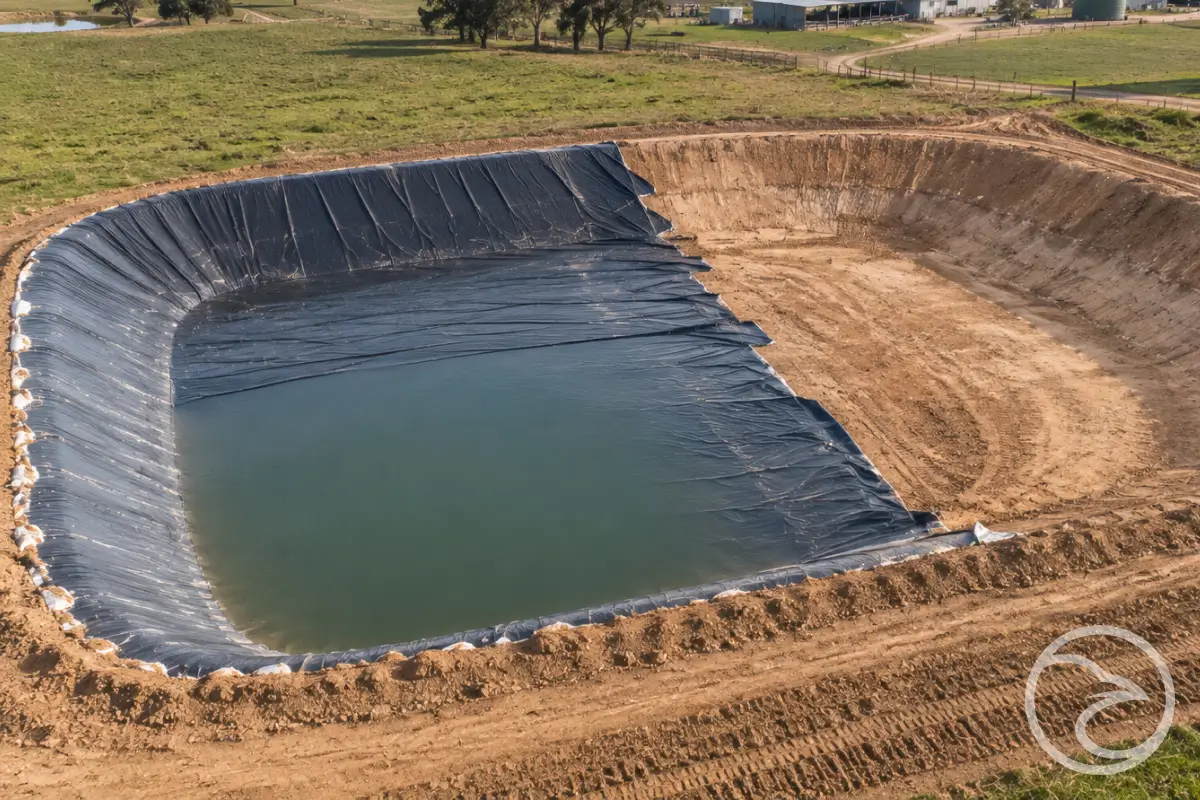
A properly positioned liner should generally follow the prepared contours of the pit. There should be no obvious sections stretched tightly across unsupported areas.
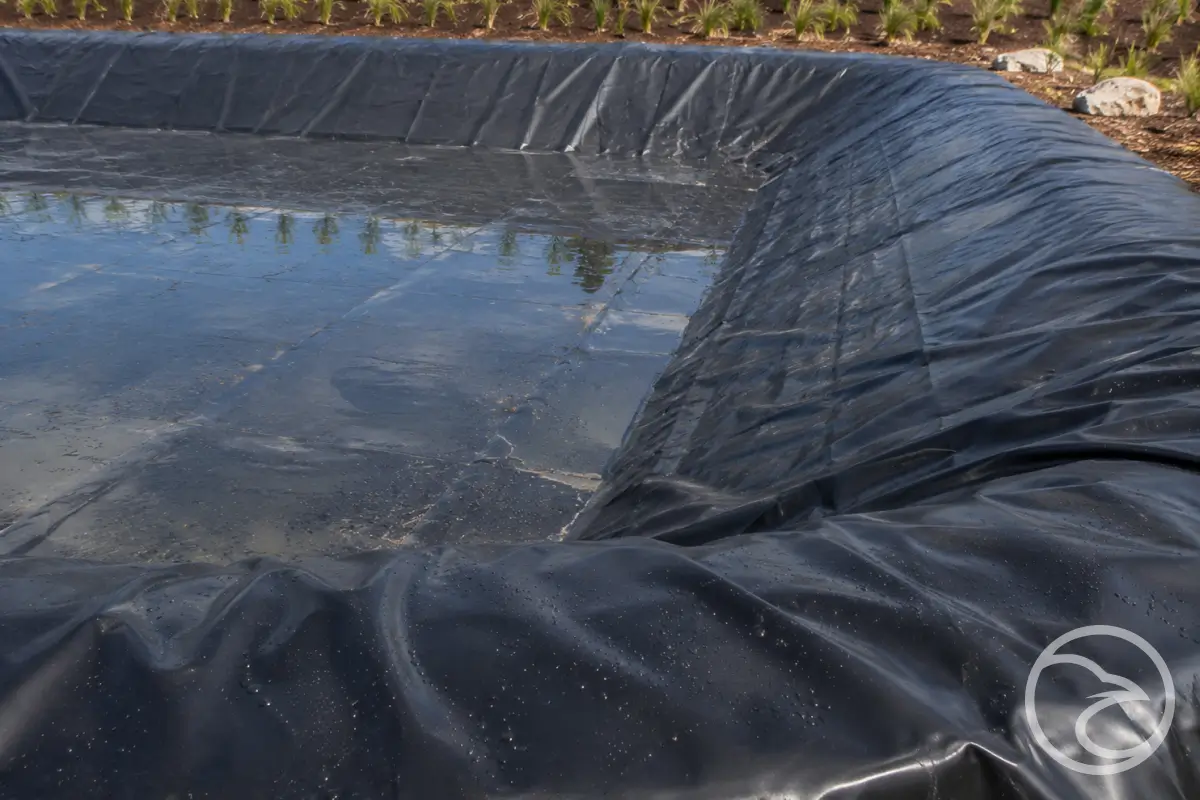
Corners and slope transitions deserve particular attention. Some wrinkles may be expected, depending on the material and temperature.
The important distinction is whether they interfere with system performance.
The Surface is Free From Visible Damage
The liner should not contain visible punctures, tears, cuts, or damaged sections. Areas around penetrations and transitions should receive careful attention.
Even small defects may become leakage paths. Visible damage should be evaluated and repaired using appropriate procedures before operation.
The Edges are Properly Secured
Many containment systems use anchor trenches or other engineered anchoring methods. These features help keep the membrane in position.
The appropriate anchoring design depends on pit geometry, soil conditions, and expected loads. Loose or improperly secured edges may allow unwanted movement.
Seams have Been Inspected and Tested
Seams should be completed using methods appropriate for the liner material. Required inspections and tests should be finished before the pit enters service.
Facility owners can request documentation showing that the specified checks were completed.
Installation Records are Available
Documentation helps establish what was installed and how quality was verified.
Depending on the project, useful records may include:
Membrane material specifications.
Product identification and panel information.
Seam inspection and testing records.
Repair documentation.
Final inspection reports.
As-built drawings when required.
These records can also support future inspections and maintenance.
Regular inspections can help prevent unexpected failures, while our common pit liner problems guide highlights important warning signs.
How Long Does Pit Liner Installation Take?
There is no universal installation timeline. A small, accessible containment pit may require considerably less work than a large industrial excavation.
The membrane installation itself is only one part of the overall process. Ground preparation, protective layers, panel placement, joining, anchoring, and testing all require time.
Several factors influence the schedule.
Pit Size and Depth
Larger pits require more membrane coverage and potentially more field seams. Deep pits may also create additional access and handling challenges.
Site Accessibility
Equipment and membrane rolls must reach the installation area safely. Restricted access can complicate transportation and panel deployment.
Ground Preparation Requirements
A pit with smooth, stable soil may require less preparation. Rocky or uneven ground may need additional grading and protective measures.
Material and Panel Configuration
Different materials require different handling and joining methods. Large prefabricated panels may reduce certain field operations.
However, they can also introduce transportation and placement challenges.
Weather and Quality Control
Unfavorable weather may delay deployment or seam construction. Required testing and inspections also affect the schedule.
For these reasons, installation timelines should reflect actual site conditions rather than generic estimates.
Can Good Installation Help a Pit Liner Last Longer?
The lifespan of a pit liner depends on several factors. Material quality, chemical exposure, sunlight, temperature, and mechanical loads all influence durability. Installation quality is another important part of that equation.
Consider a liner installed over an uneven surface. Even if the material offers good puncture resistance, concentrated pressure may create unnecessary wear. Now consider a liner with poorly positioned seams.
Repeated movement or loading may place additional stress on these connections. Both situations can increase the likelihood of premature damage.
Proper installation helps reduce avoidable stresses and potential leakage paths. It can also make future inspections more straightforward.
Installation Quality Does not Replace Maintenance
A properly installed liner still requires appropriate monitoring. Changes in operating conditions may affect performance over time. For example, unexpected chemical exposure or physical damage can compromise an otherwise reliable system.
Regular inspections help identify developing problems. Visible tears, damaged seams, unusual movement, and unexplained liquid losses may require further investigation.
The goal is to identify potential issues before they become larger containment problems.
Common Pit Liner Installation Mistakes to Avoid
Many installation problems begin with decisions that appear minor. Understanding these mistakes helps project managers ask better questions and recognize potential risks.
| Installation Mistake | Why It Matters |
|---|---|
| Leaving sharp debris beneath the liner | Creates potential puncture points under liquid pressure |
| Ignoring unstable soil | Settlement may stretch or damage the membrane |
| Stretching panels too tightly | Increases stress around corners and transitions |
| Poor seam preparation | May weaken connections between panels |
| Incorrect edge anchoring | Can allow unwanted liner movement |
| Ignoring weather conditions | May affect handling, placement, and seam quality |
| Skipping required testing | Allows hidden defects to remain undetected |
Most of these problems are easier to address before the pit enters service. Once a containment pit contains liquid, accessing the membrane can become considerably more difficult.
That makes careful installation and final inspection particularly valuable.
Conclusion
Reliable pit liner installation depends on much more than the quality of the membrane. The supporting ground must be stable and properly prepared. The liner must fit the pit geometry without excessive stress, while seams and anchoring require careful attention.
Weather conditions, material properties, and quality control also influence the final result. A well-installed liner helps reduce preventable damage and supports dependable liquid containment.
Understanding these factors allows facility owners and project managers to make better decisions before a pit enters service.