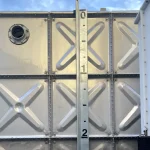
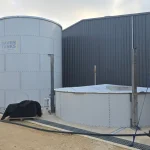
Regular inspection of water storage tanks is essential for maintaining water quality, structural integrity and long-term system reliability. Whether used in industrial facilities, commercial buildings, fire protection systems or municipal networks, tanks naturally accumulate sediment, experience wear and may develop structural concerns over time. Understanding different water tank inspection methods helps facility managers choose the right approach based on access, risk level and maintenance needs.
This guide provides an overview of the most common inspection techniques, how they work and when each method is typically recommended.
Why Water Tank Inspections Matter
Water tanks operate under constant pressure, moisture and changing environmental conditions. Over time, these factors can impact:
- internal coatings
- wall and roof structures
- bolted or welded connections
- sediment levels
- water quality
- corrosion and pitting
- overall system stability
Without regular inspections, small issues can go unnoticed until they cause major damage, water contamination or system failure. Understanding the available inspection methods allows facilities to plan monitoring more effectively and maintain safe storage conditions.
1. Visual External Inspections
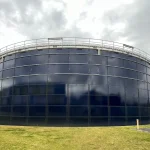
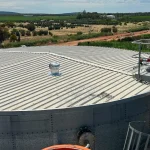
One of the simplest but most essential inspection techniques is an external visual assessment. This method is performed from outside the tank and focuses on:
- tank walls and roof
- external supports
- ladders and access points
- foundation and surrounding areas
- signs of leaks, rust or deformation
External inspections help identify early warning signs, such as
- cracks
- corrosion around seams
- paint or coating deterioration
- uneven settling
- surface moisture or rust streaks
While this method does not provide internal data, it is a valuable first step in routine tank monitoring.
2. Internal Walk-Through Inspections
Traditionally, internal inspections required draining the tank and sending personnel inside under confined-space procedures. During a manual internal inspection, technicians evaluate:
- coating condition
- corrosion and pitting
- internal supports
- panel connections
- floor condition
- sediment buildup
Although effective, this method can be disruptive and may require
- draining the tank
- cleaning the interior
- cleaning the interior
- using protective equipment
- confined-space permits and supervision
Because of these steps, manual internal inspections are often reserved for major assessments rather than routine monitoring.
3. Remote Visual Inspections (RVI)
Remote visual inspections use specialized tools to evaluate tank interiors without requiring human entry. Common RVI tools include:
- Pole-mounted cameras: Useful for quick inspections through access hatches.
- Snake cameras or borescopes: Ideal for tight or obstructed spaces.
- Magnetic crawlers: Devices that attach to tank walls to record detailed video.
- High-intensity lighting systems: Improves visibility in dark or brackish water.
RVI techniques provide clearer internal visibility than external checks but still require the tank to be at least partially drained for accurate evaluation.
Some facilities combine RVI tools with other remote assessment tools for tank monitoring to create a more complete picture of internal tank conditions.
4. Underwater ROV Inspections
One of the most efficient modern water tank inspection methods is using underwater ROVs (remotely operated vehicles). These devices operate in full water, which allows inspections without interrupting service or draining the tank.
ROVs typically feature:
- HD or 4K cameras
- stabilizers for smooth footage
- LED lighting
- depth sensors
- live video feed
- maneuvering thrusters
With these tools, the ROV can explore the tank’s interior walls, floor and structural elements while recording clear visual data.
Common applications include
- fire water tanks
- potable water storage tanks
- industrial process tanks
- panel tanks and concrete tanks
This method is especially valuable for facilities that cannot afford system downtime.
5. Sediment and Floor Condition Evaluations
Sediment buildup can affect water quality and reduce effective storage volume. Several inspection techniques focus specifically on the tank floor:
- Weighted probes: Estimate sediment depth.
- Underwater video scans: Provide detailed images of sediment distribution.
- Sonar measurement tools: Map sediment thickness when visibility is low.
These evaluations help facilities determine when cleaning is necessary and plan maintenance accordingly.

6. Coating and Corrosion Assessments
Tank coatings protect steel or panel materials from corrosion. Common inspection methods include:
- Visual examination using ROVs or manual entry: Identifies peeling, blistering or discoloration.
- Dry film thickness testing (DFT): Measures coating thickness during drained inspections.
- Ultrasonic thickness testing (UTT): Checks for metal thinning beneath coatings.
These methods allow early detection of coating failures before they compromise structural integrity.
7. Structural Integrity Testing
While many inspections focus on visual data, some conditions require deeper structural assessment. Common techniques include:
- Ultrasonic testing: Measures wall thickness and identifies hidden corrosion.
- Magnetic particle inspection (MPI): Detects cracks in steel components.
- Dye penetrant testing: Highlights surface cracks and imperfections.
These methods are often combined with visual inspections to create a complete picture of tank condition.
When inspections reveal structural damage, facilities may consider available commercial tank repair solutions to restore system reliability.
8. Drone-Assisted Internal Inspections
For tanks with limited access, aerial drones can capture footage from above or inside large chambers. Drones are useful for:
- overhead roof inspections
- assessing structural braces
- capturing wide-angle interior views
- evaluating areas unreachable by ROVs or manual entry
Although they cannot operate underwater, they complement ROV inspections in hybrid tank environments.
How to Choose the Right Inspection Method
Selecting the right method depends on:
- whether the tank can be drained
- water quality requirements
- the presence of sediment
- tank size and configuration
- access points
- safety considerations
- inspection frequency
Many facilities combine several techniques to achieve a complete evaluation.
Conclusion
Water storage systems rely on consistent monitoring to ensure safety, reliability and long-term performance. By understanding the range of water tank inspection methods, facility owners and operators can select techniques that match their operational needs while maintaining water quality and structural integrity. Many facilities also incorporate advanced technologies used in modern tank monitoring to gather clearer data and reduce safety risks during evaluation.
Modern inspection tools—from external checks to underwater ROVs—provide clearer data, reduce risk and support smarter maintenance planning.