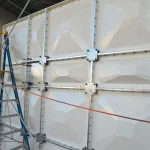
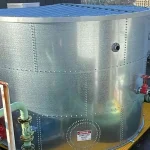
Water storage systems use different materials depending on project requirements. Two common options are GRP panel tanks and stainless steel panel tanks. Both systems are widely used in commercial and industrial water storage applications. However, they differ in durability, hygiene performance, maintenance requirements, and lifespan.
Understanding these differences helps operators select the right solution for their facility.
What are GRP Panel Tanks?
GRP stands for glass reinforced plastic. These tanks are manufactured using composite materials reinforced with glass fibres.
GRP panel tanks are popular because they offer:
- lightweight construction
- corrosion resistance
- flexible sizing
- relatively low installation weight
- suitability for many environments
They are commonly used for potable and non-potable water storage systems.
What are Stainless Steel Panel Tanks?
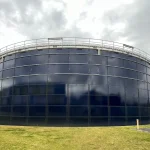
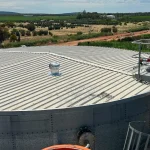
Stainless steel panel tanks use modular steel panels designed for long-term water storage.
These systems are widely used in:
- potable water storage
- hospitals
- industrial facilities
- food processing plants
- commercial buildings
Many operators choose stainless steel panel tanks because they combine durability and hygiene performance.
Durability Comparison
Durability is one of the biggest considerations in water storage system design.
GRP Panel Tank Durability
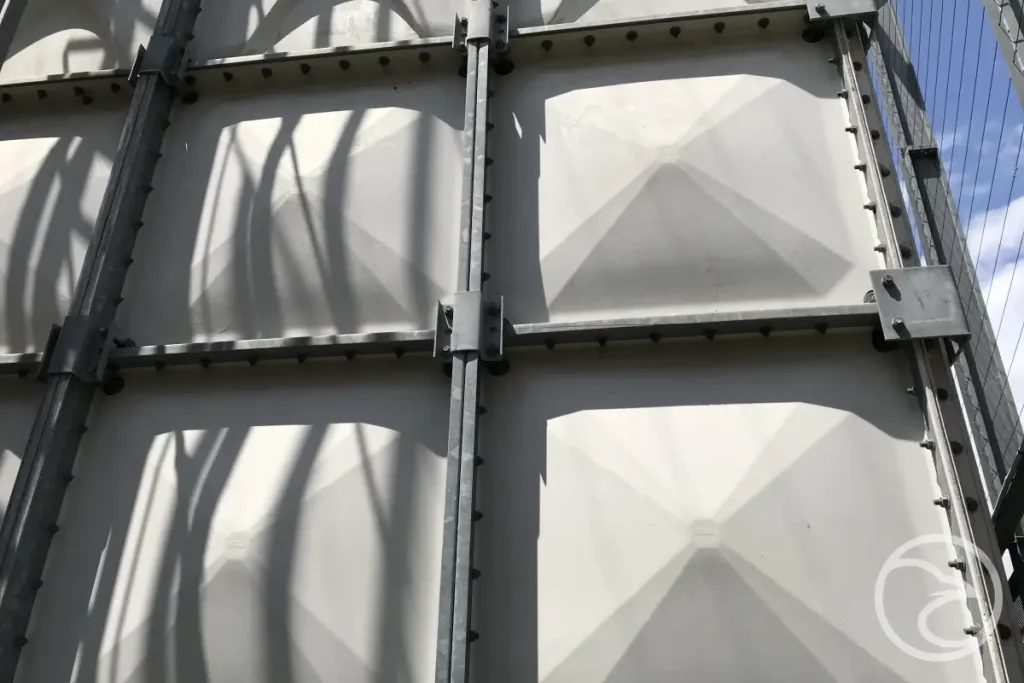
GRP tanks resist many environmental conditions well. They do not rust like traditional steel systems.
However, composite materials may eventually experience:
- surface wear
- UV-related degradation
- structural ageing
- panel stress over long operating periods
Performance often depends on environmental exposure and maintenance quality.
Stainless Steel Panel Tank Durability
Stainless steel systems provide strong structural performance and long operational lifespan.
The material resists:
- corrosion
- moisture damage
- temperature fluctuations
- rust formation
Corrosion resistant stainless steel panel tanks are especially suitable for demanding environments and long-term operation.
Hygiene and Water Quality
Water hygiene is extremely important in potable water systems.
Stainless Steel Hygiene Performance
Stainless steel provides smooth and non-porous internal surfaces. These surfaces help reduce bacterial growth and contamination risks. Cleaning procedures are also simpler compared with some alternative materials.
Many facilities use hygienic stainless steel panel tanks because they support cleaner water storage conditions.
GRP Hygiene Considerations
GRP tanks can also perform well in potable water applications. However, internal surface conditions may vary depending on manufacturing quality and long-term wear.
Regular inspection and maintenance remain important for preserving water quality.
Weight and Structural Considerations
GRP tanks are generally lighter than stainless steel systems. This may simplify transport and installation requirements for some projects.
Lightweight construction may benefit:
- rooftop installations
- restricted access sites
- projects with structural weight limitations
Stainless steel tanks are heavier but provide excellent structural strength and durability. Project requirements usually determine the most suitable option.
Maintenance Requirements
All water storage systems require regular maintenance and inspections.
GRP Tank Maintenance
GRP systems may require:
- surface inspections
- panel condition monitoring
- seal checks
- cleaning procedures
- UV exposure assessments
Environmental conditions can affect long-term surface performance.
Stainless Steel Tank Maintenance
Routine stainless steel panel tank maintenance is generally straightforward because of the material’s corrosion resistance.
Maintenance typically includes:
- cleaning
- sediment removal
- structural inspections
- seal assessments
The material’s smooth surface simplifies sanitation procedures.
Cost Considerations
GRP panel tanks often provide lower upfront costs compared with stainless steel systems. Their lighter construction may also reduce transport and installation expenses.
However, long-term considerations should include:
- maintenance requirements
- expected lifespan
- hygiene performance
- environmental exposure
- operational demands
Stainless steel systems typically involve higher initial investment but may offer stronger long-term durability.
Applications for Each Tank Type
Both materials are suitable for different water storage applications.
Common GRP Tank Applications
GRP panel tanks are often used for:
- commercial buildings
- irrigation systems
- general water storage
- rooftop installations
- municipal projects
Common Stainless Steel Tank Applications
Stainless steel systems are commonly selected for:
- potable water storage
- hospitals
- hygienic facilities
- food processing plants
- long-term infrastructure projects
Facilities requiring stainless steel panel tanks for potable water often prioritise hygiene and corrosion resistance.
Conclusion
GRP and stainless steel panel tanks both provide reliable water storage solutions. However, their long-term performance characteristics differ. GRP tanks offer lightweight construction and strong corrosion resistance for many commercial applications. Stainless steel systems provide superior durability, hygiene performance, and long-term structural reliability.
The best solution depends on operational requirements, environmental conditions, and water quality priorities. Careful evaluation of lifespan, maintenance, and hygiene expectations helps determine the most suitable tank material for each project.