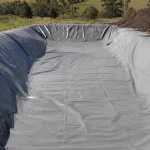
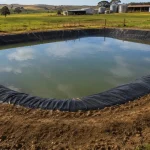
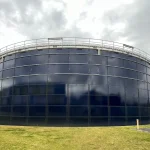
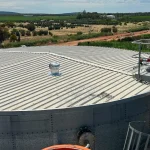
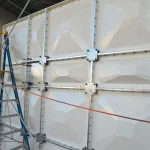
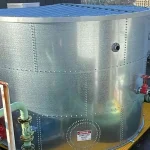
Fiberglass materials provide strong corrosion resistance and lightweight structural performance in water storage infrastructure. Engineers often select fiberglass when durability, minimal maintenance and environmental resistance matter most. Understanding fiberglass water storage longevity helps operators plan reliable long-term system performance.
Unlike untreated metals, fiberglass does not rust and resists moisture exposure effectively. These characteristics support consistent performance across industrial, municipal and commercial water storage applications.
Why Fiberglass Materials Perform well in Water Storage
Fiberglass combines glass fibers with polymer resin to create a durable composite structure. This design delivers strength while maintaining low weight and corrosion resistance.
Key performance advantages include:
- Strong resistance to moisture and chemical exposure
- Lightweight structural properties that simplify installation
- Stable performance in humid or aggressive environments
- Reduced maintenance compared with many metal systems
These properties help maintain structural reliability over extended operating periods.
Environmental Factors that Influence Fiberglass Longevity
Environmental conditions strongly affect long-term material performance. Proper system design reduces potential risks.
Important factors include:
- UV exposure and temperature fluctuations
- Chemical composition of stored water
- Mechanical loading and structural stress
- Installation quality and environmental conditions
Good engineering planning helps maintain durability under varied conditions.
For additional information about large-scale water storage solutions, you can explore available system options here.
Comparing Fiberglass with Traditional Storage Materials
Facilities often compare fiberglass with steel or coated metal systems. Each material offers specific performance characteristics.
Fiberglass advantages commonly include:
- Superior corrosion resistance in humid environments
- Lower maintenance requirements over time
- Lightweight installation benefits
- Reliable performance under varied environmental conditions
Material selection should always reflect operational needs and engineering constraints.
Supporting Reliable Long-Term Water Storage Infrastructure
Fiberglass materials continue gaining acceptance in modern water storage infrastructure. Their durability, corrosion resistance and lifecycle efficiency support long-term performance. Proper installation, inspection and environmental awareness help maintain system reliability.
Organizations planning water storage infrastructure should evaluate operating conditions, maintenance capabilities and regulatory requirements. Careful planning ensures consistent performance and long-term material stability.
Consulting experienced specialists can help ensure appropriate material selection and reliable infrastructure performance over time.