Raw water tanks play an important role in industrial, municipal, and commercial operations. They store untreated water before processing or distribution. Over time, these tanks can develop structural and operational issues. Early detection helps prevent costly failures and unplanned downtime.
Understanding the signs of raw water tank damage allows facility managers to address problems before they become serious. Regular inspections and maintenance can significantly extend tank service life.
What Causes Damage in Raw Water Tanks?
Raw water often contains sediment, minerals, and organic material. These substances can accelerate wear inside storage tanks. Environmental conditions can also contribute to deterioration.
Common causes of damage include:
- Corrosion from constant moisture exposure
- Sediment accumulation on tank floors
- Coating degradation
- Structural stress from changing water levels
- Exposure to harsh weather conditions
- Poor maintenance practices
These factors can gradually weaken tank components and affect overall performance.
Common Signs of Raw Water Tank Damage
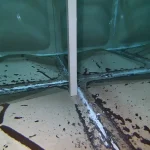
Visible warning signs should never be ignored. Even minor issues can develop into larger structural problems. One common indicator is corrosion. Rust spots, pitting, and surface deterioration often suggest that protective coatings are failing.
Leaks are another warning sign. Small leaks may appear insignificant at first. However, they often indicate underlying structural issues.
Facility operators should also watch for:
- Discoloration around tank walls
- Cracks in structural components
- Loose fittings and connections
- Water stains near joints
- Unusual tank deformation
Identifying these signs early can reduce future repair costs.
How Corrosion Affects Tank Performance
Corrosion is one of the most common causes of raw water tank deterioration. It gradually weakens metal surfaces and reduces structural integrity. When corrosion progresses, tank walls become thinner. This increases the risk of leaks and structural failure.
Corrosion can also affect water quality. Rust particles may contaminate stored water and interfere with downstream processes. Routine inspections help identify corrosion before significant damage occurs. Protective coatings and timely maintenance can slow deterioration and improve reliability.
Why Small Leaks Should Never be Ignored
Small leaks often indicate larger issues hidden beneath the surface. Water escaping through joints, seams, or tank walls can accelerate structural damage. Continuous moisture exposure promotes corrosion and weakens surrounding materials. Over time, minor leaks may expand into major failures.
Leaks can also increase operating costs through water loss and emergency repairs. Addressing problems early is usually more cost-effective than waiting for extensive damage. Regular monitoring helps identify leak sources before they affect tank performance.
When to Schedule a Professional Inspection
Professional inspections provide a detailed assessment of tank condition. They help identify issues that may not be visible during routine checks.
An inspection should be considered when:
- Corrosion becomes visible
- Leaks appear
- Coatings begin to fail
- Structural deformation is observed
- Tank performance declines
Many facilities also schedule inspections as part of preventive maintenance programs. A professional assessment can determine whether repairs are sufficient or whether more extensive work is required.
Repair or Replacement: how to Decide
Not every damaged tank requires replacement. In many cases, targeted repairs can restore performance and extend service life. The best option depends on the extent of deterioration, structural condition, and long-term operational requirements.
If damage is localized, repairs may provide a practical solution. Severe corrosion or widespread structural issues may require a different approach. For a more detailed comparison, read our guide on how to tell if your water tank needs repair or full replacement.
Taking Action Before Damage Worsens
Delaying maintenance can increase repair costs and operational risks. Early intervention helps prevent minor issues from becoming major failures. Routine inspections, preventive maintenance, and timely repairs support long-term tank reliability. Addressing damage at an early stage can also improve safety and reduce downtime.
If your facility has identified signs of deterioration, professional raw water tank repairs can help restore structural integrity and extend tank service life.
Recognizing early warning signs is the first step toward protecting valuable water storage assets. With regular monitoring and proactive maintenance, facilities can avoid unexpected failures and maintain reliable operation for years to come.