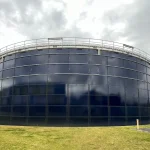
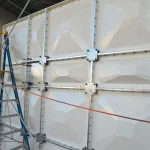
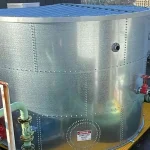
Water storage plays a vital role in many sectors, including municipal infrastructure, agriculture, and industrial operations. While storage systems can differ in size and configuration, their effectiveness depends on a set of fundamental characteristics. Understanding the key properties of water storage helps explain how stored water remains usable, stable, and safe over time.
What is Water Storage and why its Properties Matter
Water storage refers to the containment of water for later use. This may involve short-term holding or long-term retention, depending on demand and supply conditions. Regardless of purpose, stored water interacts continuously with its container and surrounding environment. The physical and environmental properties of a storage system influence not only structural performance but also water quality and system longevity.
When these properties are not properly considered, storage systems may experience deterioration, leakage, or contamination. For this reason, water storage design focuses on balancing durability, stability, and environmental resistance.
Structural Stability and Durability
One of the most important properties of water storage is structural stability. Storage systems must withstand internal water pressure, external loads, and long-term mechanical stress. Over time, even small structural weaknesses can expand, leading to cracks or deformation.
Durability is closely related to stability. Materials and construction methods are selected to ensure that storage structures can perform reliably throughout repeated filling and emptying cycles. A durable system minimizes maintenance requirements and reduces the risk of sudden failure.
Material Behavior in Water Storage Environments
All water storage systems rely on materials that interact with moisture on a constant basis. The way these materials behave under prolonged exposure to water is a key property to evaluate. Some materials may absorb moisture, while others resist penetration and remain unchanged over time.
Temperature fluctuations also influence material behavior. Expansion and contraction can occur as environmental conditions change, placing stress on joints and internal surfaces. Storage systems that accommodate these movements tend to maintain their integrity longer.
Resistance to Environmental Factors
Water storage structures are often exposed to environmental conditions such as sunlight, temperature variation, humidity, and airborne contaminants. Resistance to these external factors is essential for long-term performance.
For example, ultraviolet exposure can weaken certain surfaces over time, while extreme temperatures may affect flexibility or rigidity. In outdoor installations, resistance to weather-related stress contributes significantly to overall system reliability.
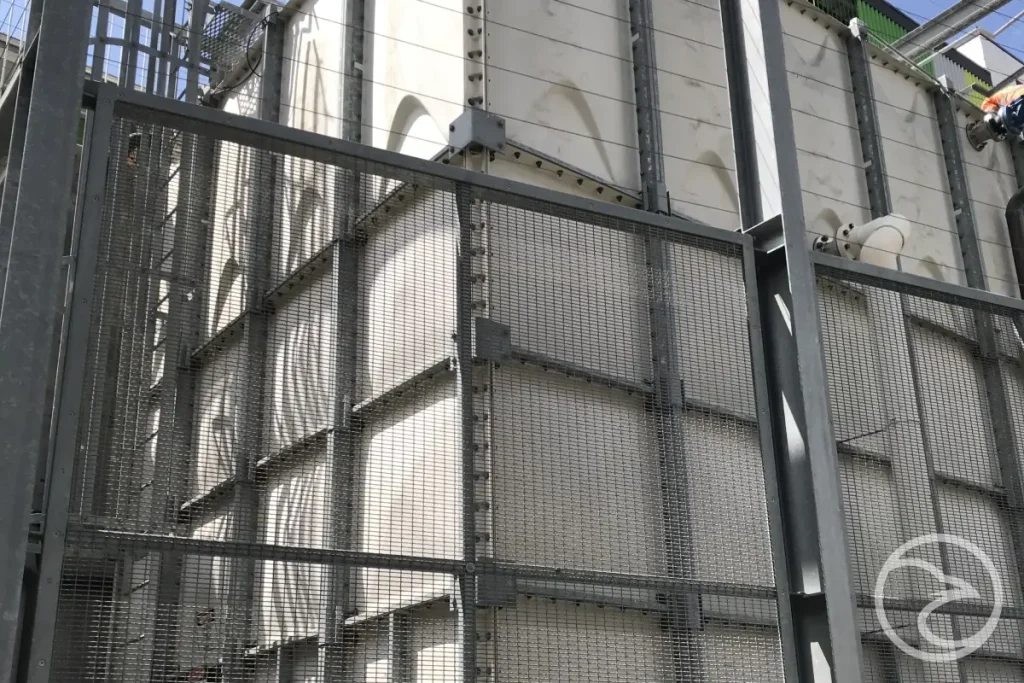
Water Quality Considerations
Another critical property of water storage is its impact on water quality. Stored water should remain as close as possible to its original condition. This requires minimizing chemical reactions, sediment buildup, and biological growth inside the storage environment.
Internal surfaces that limit interaction between water and structural components help reduce the risk of contamination. Smooth, stable surfaces are less likely to accumulate deposits, making it easier to maintain consistent water quality during storage.
Adaptability to Different Applications
Water storage systems are used in a wide range of applications, from emergency reserves to process-related supply. Adaptability is therefore an important property. Storage solutions must function effectively under varying capacities, usage patterns, and operational demands.
Some systems are designed for frequent cycling, while others support long-term static storage. Understanding how different properties influence performance allows designers and operators to select configurations that match specific use cases.
For readers exploring how different materials are applied in water storage systems, additional background information is available in this overview of composite storage materials.
Summary: why Understanding Water Storage Properties is Important
The key properties of water storage extend beyond simple containment. Structural stability, material behavior, environmental resistance, and water quality preservation all contribute to system effectiveness. When these properties are carefully considered, water storage systems can operate reliably and safely across diverse conditions.
By understanding how these characteristics interact, it becomes easier to evaluate storage performance and anticipate long-term behavior. Although water storage systems may vary in design and application, their success ultimately depends on how well these core properties are addressed.