Tank liners are a critical protective layer in industrial water and liquid storage systems. They prevent leaks, reduce contamination risks, and protect the structural components of tanks. However, liner degradation rarely occurs suddenly. In most cases, early signs of liner failure appear gradually and are easy to overlook without targeted inspection.
Understanding these early indicators helps facility operators identify problems before they escalate into costly failures or operational disruptions.
Changes in Water Quality without an Obvious Cause
One of the first warning signs is a subtle change in stored water quality. This may include discoloration, unusual odors, or increased sediment levels, even when the incoming water source remains unchanged.
Such changes can occur when liner integrity begins to deteriorate. As the liner surface weakens, stored liquid may start interacting with the underlying tank structure, affecting water quality long before a visible leak develops.
Persistent Moisture Around the Tank Base
Unexplained moisture near the tank base or within secondary containment areas can indicate early liner damage. Small defects may allow slow seepage that does not immediately trigger alarms or form visible leaks.
Damp soil, staining, or recurring wet areas should be investigated promptly. These conditions often point to liner deterioration rather than structural tank failure, especially in systems operating under constant load.
Visible Surface Irregularities During Inspections
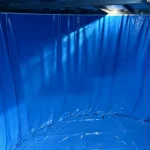
Routine internal inspections often reveal early signs of liner failure through surface changes. Wrinkling, blistering, cracking, or thinning of the liner material are common indicators of stress or degradation.
These irregularities may result from chemical exposure, temperature fluctuations, or mechanical movement within the tank. While the liner may still be intact, such surface damage suggests reduced durability and increased risk of failure.
Increased Frequency of Minor Operational Issues
A rise in minor but recurring issues can signal underlying liner problems. Examples include repeated cleaning requirements, persistent residue buildup, or frequent adjustments to seals and fittings.
Individually, these issues may seem manageable. However, when they occur more frequently over time, they often indicate progressive liner deterioration rather than isolated operational faults.
Inconsistent Tank Levels or Pressure Behavior
Unexpected changes in liquid levels or difficulty maintaining stable pressure can also be early indicators of liner integrity issues. Small liner defects may alter internal tank conditions without causing immediate leakage.
In industrial systems where precise volume control is essential, unexplained fluctuations should be assessed as part of a liner-focused inspection rather than attributed solely to instrumentation errors.

Early Signs of Chemical Interaction with the Liner
In tanks storing chemically active liquids, liner compatibility is essential. Early warning signs include localized discoloration, softening, or residue on the liner surface.
These changes often begin in specific areas and can be missed during general inspections. Over time, chemical interaction accelerates liner deterioration and increases the likelihood of failure if left unaddressed.
The Importance of Early Detection
Recognizing early signs of liner failure allows facility managers to act proactively. Addressing liner issues at an early stage helps prevent environmental risks, reduces unplanned downtime, and protects the tank structure itself.
Regular inspections that focus specifically on liner condition—not just overall tank integrity—play a key role in long-term system reliability. Monitoring subtle changes and tracking inspection findings over time can significantly extend liner performance and reduce the risk of unexpected failure.
For facilities seeking more information about liner condition assessment and professional evaluation options, additional details are available here.