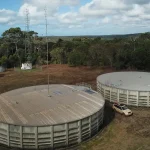
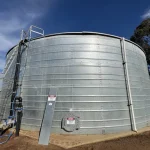
Storage tanks play a critical role in water storage, industrial processes, and environmental protection. However, their condition is often overlooked until visible damage or operational issues appear. A tank condition assessment helps identify early signs of deterioration and provides a clear understanding of a tank’s structural and functional health before serious problems develop.
Regular assessments are especially important for aging tanks or systems exposed to harsh operating conditions. By evaluating key components and materials, asset owners can make informed decisions about maintenance, repair, or long-term planning.
What is a Tank Condition Assessment?
A tank condition assessment is a systematic evaluation of a storage tank’s physical state. Unlike routine maintenance or emergency repairs, this process focuses on identifying potential risks, material degradation, and structural weaknesses.
The assessment typically examines both internal and external elements of a tank. It applies to a wide range of systems, including water storage tanks, industrial tanks, and specialized containment structures. The goal is not to fix issues immediately but to understand the tank’s current condition and predict future performance.
Key Factors Evaluated During a Tank Assessment
Several critical aspects are reviewed during an assessment to build a complete picture of tank health:
- Structural integrity: Checking walls, joints, and load-bearing components for deformation or stress
- Corrosion and material wear: Identifying early corrosion, thinning materials, or surface damage
- Liner condition: Assessing internal liners for cracks, blisters, or separation
- Leaks and deformation: Detecting visible or concealed leakage and shape irregularities
- Operational and environmental factors: Considering temperature changes, stored substances, and surrounding conditions
Each factor helps determine how the tank is performing and whether preventative action is required.
Common Issues Identified During Tank Assessments
Tank condition assessments often uncover problems that are not visible during normal operation. Some of the most frequent findings include:
- Early-stage corrosion developing beneath coatings or liners
- Gradual liner degradation caused by chemical exposure or aging
- Sediment or sludge accumulation affecting internal surfaces
- Minor cracks or deformation that may worsen over time
- Weak points around seams, penetrations, or access points
Identifying these issues early allows operators to address them before they lead to leaks, contamination, or costly downtime.

Why Regular Tank s Assessment Matters
Routine condition assessments provide long-term value by supporting safety, reliability, and asset longevity. Tanks that are not periodically evaluated may fail without warning, creating operational and environmental risks.
By understanding a tank’s condition, owners can plan maintenance more effectively, extend service life, and avoid unexpected failures. Assessments also help prioritize repairs and allocate budgets based on actual risk rather than assumptions.
When a Professional Tank Assessment is Typically Required
A professional evaluation is often recommended in several situations:
- After extended periods of service or exposure to demanding conditions
- Before major repairs, relining, or system upgrades
- When changing the type of liquid or material stored
- If there are signs of leakage, corrosion, or performance decline
In these cases, a detailed technical audit of your storage assets ensures that assessments are conducted accurately and safely, utilizing appropriate methods and expertise.
Conclusion
A tank condition assessment is a proactive approach to managing storage assets. By identifying risks early and understanding how a tank is performing, operators can prevent failures, reduce long-term costs, and maintain safe operations. Regular evaluations form the foundation of effective tank management and support informed decision-making throughout a tank’s lifecycle.