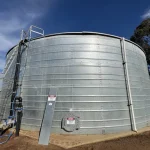
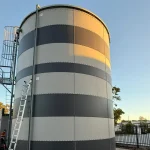
Selecting a tank material is an important design and operational consideration across many industrial and infrastructure projects. Steel and concrete are two commonly used materials, each with distinct physical properties and performance characteristics. While both can serve similar storage functions, they behave differently under load, environmental exposure, and long-term use.
This article offers a neutral, informational comparison of steel and concrete as tank materials. It focuses on structural behavior, durability, and operational characteristics without addressing purchasing decisions or installation guidance.
Why Tank Material Selection Matters
Tank material influences how a structure responds to internal pressure, external forces, and environmental conditions over time. It also affects inspection findings, maintenance priorities, and how deterioration typically presents itself.
Understanding material-level differences helps stakeholders interpret performance and limitations more accurately, particularly when evaluating existing assets or reviewing inspection results.
Steel as a Tank Material
Steel is known for its high strength-to-weight ratio and predictable mechanical behavior. As a material, it offers flexibility and tensile strength, allowing structures to accommodate dynamic loads and pressure changes.
Key characteristics of steel include:
- Elastic behavior, allowing deformation before failure
- High tensile strength relative to material thickness
- Lightweight structural form compared to mass-based materials
Steel structures often show visible signs of stress, such as distortion or localized deformation, before structural capacity is compromised. This can assist with early detection during routine inspections.
However, steel is sensitive to environmental exposure. Moisture, chemicals, and aggressive atmospheres can affect surface condition over time, making material protection and monitoring important factors in long-term performance.
Concrete as a Tank Material
Concrete relies primarily on compressive strength and mass rather than flexibility. Reinforced concrete tanks are designed to maintain shape under sustained loads and are commonly used in large-capacity or ground-supported applications.
Key characteristics of concrete include:
- High compressive strength and structural rigidity
- Resistance to UV exposure and temperature variation
- Strong performance under static and external loads
Concrete structures tend to remain dimensionally stable but can develop cracking due to shrinkage, thermal movement, or ground settlement. While minor cracking does not always indicate immediate risk, it can influence moisture penetration and long-term durability.
Structural Behavior and Durability
Steel and concrete respond to stress in fundamentally different ways. Steel distributes loads through elasticity, while concrete relies on compressive resistance supported by internal reinforcement.
From a durability perspective:
- Steel degradation typically occurs through corrosion-related section loss
- Concrete degradation is often linked to cracking and reinforcement exposure
- Each material shows deterioration in distinct, material-specific patterns
These differences affect how aging is assessed and how long-term performance is evaluated during inspections.
Maintenance Characteristics
Maintenance approaches vary based on material behavior rather than application type.
Typical focus areas include:
- Steel: surface condition, protective systems, localized thinning
- Concrete: crack development, joint condition, surface wear
In some cases, concrete-related issues may progress internally before becoming visually obvious, while steel-related issues are often detectable through surface assessment. This distinction influences inspection methods and monitoring priorities over time.

Environmental and Site Influences
Environmental exposure plays a significant role in material performance. Factors such as humidity, chemical presence, soil conditions, and groundwater chemistry can accelerate material-specific risks.
Common influences include:
- corrosive atmospheres affecting exposed steel surfaces
- ground movement or moisture affecting concrete stability
- drainage and foundation conditions impacting both materials
As a result, tanks made from different materials may age differently even when used for similar purposes.
Summary of Key Differences
At a material level, steel and concrete offer contrasting structural and operational characteristics:
- steel provides flexibility and tensile strength
- concrete offers rigidity and compressive resistance
- durability challenges differ based on exposure and aging mechanisms
Recognizing these differences supports informed interpretation of tank performance without reducing the comparison to preference or selection.
Final Thoughts
Comparing tank materials at a fundamental level helps clarify why steel and concrete perform differently in real-world conditions. Each material responds to stress, environmental exposure, and aging in its own way, which influences how tanks are inspected, maintained, and assessed over time. By understanding these core material characteristics, stakeholders can better evaluate performance expectations and interpret structural behavior throughout a tank’s service life—without reducing the comparison to simple preference or selection.
For readers interested in how steel is applied in modern storage systems, additional technical information is available through steel-based storage solutions.