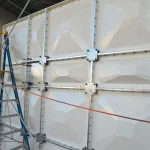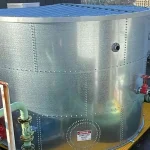
Confined tanks present unique challenges when it comes to internal assessment and condition monitoring. Limited access, restricted visibility, and safety risks often make traditional internal entry complex and costly. In response to these challenges, remote underwater drones have become an increasingly valuable tool for working inside enclosed tank environments. Their ability to operate without direct human entry has reshaped how confined tanks are approached from a technical and safety perspective.
What are Remote Underwater Drones?
Remote underwater drones, often referred to as remotely operated vehicles (ROVs), are compact robotic systems designed to function in submerged or water-filled environments. Unlike aerial drones, these devices are tethered or remotely controlled from outside the tank and equipped with propulsion systems that allow precise movement in tight spaces.
Typically, underwater drones are fitted with high-definition cameras, lighting systems, and stabilization technology. This combination enables operators to observe internal tank conditions in real time, even in low-light or low-visibility environments. Their compact size makes them especially suitable for confined tanks where access points are limited.
Why Confined Tanks Require Specialized Remote Technologies
Confined tanks differ significantly from open water or large reservoirs. Entry points are often narrow, internal structures may restrict movement, and water quality conditions can reduce visibility. In many cases, these tanks are also classified as confined spaces, introducing additional safety considerations.
Remote underwater drones address these challenges by eliminating the need for personnel to physically enter the tank. Instead of draining the structure or scheduling confined space entry procedures, operators can deploy drones through existing access hatches. This approach reduces disruption while maintaining a high level of operational control.
How Underwater Drones Operate Inside Enclosed Tank Environments
Operating in confined tanks requires precise navigation and control. Remote underwater drones use multiple thrusters to maintain stability and maneuver around internal features such as columns, pipes, or structural joints. Integrated cameras transmit live footage to operators, allowing detailed observation of internal surfaces.
Lighting plays a critical role in enclosed environments. Since confined tanks often lack natural light, drones are equipped with adjustable LED systems to illuminate surfaces evenly. Some systems also include depth sensors and orientation feedback, helping operators maintain awareness of the drone’s position within the tank.
Importantly, these drones are designed to function in still or low-flow water conditions, which are common in storage tanks and similar structures.
Safety Advantages of Using Remote Underwater Drones in Confined Tanks
One of the most significant advantages of remote underwater drones is improved safety. Confined tanks can pose risks such as low oxygen levels, hazardous residues, or unstable internal conditions. By removing the need for direct human entry, drones significantly reduce exposure to these hazards.
From a safety management perspective, remote operation also minimizes the need for complex confined space entry protocols. While safety planning remains essential, drone deployment often simplifies logistics and reduces overall risk during tank-related activities.
Technical Limitations and Environmental Constraints
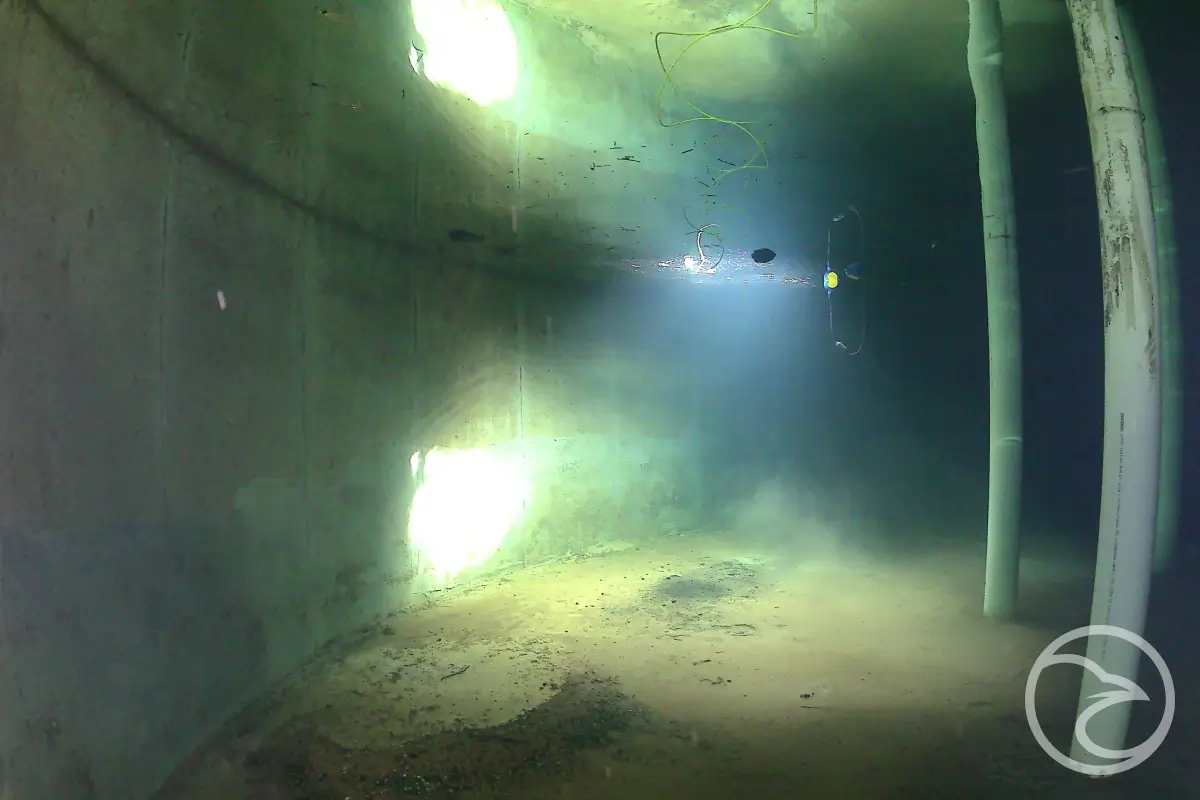
Despite their advantages, remote underwater drones are not without limitations. Water clarity can affect camera performance, particularly in tanks with sediment, biofilm, or suspended particles. In such cases, visibility may be reduced, limiting the level of detail that can be observed.
Tank geometry can also influence effectiveness. Extremely narrow sections, sharp internal angles, or obstructions may restrict drone movement. Additionally, tethered systems can experience limitations related to cable management in complex internal layouts.
Understanding these constraints is important when determining how and when remote underwater drones can be used most effectively within confined tanks.
Role of Remote Underwater Drones in Professional Tank Management
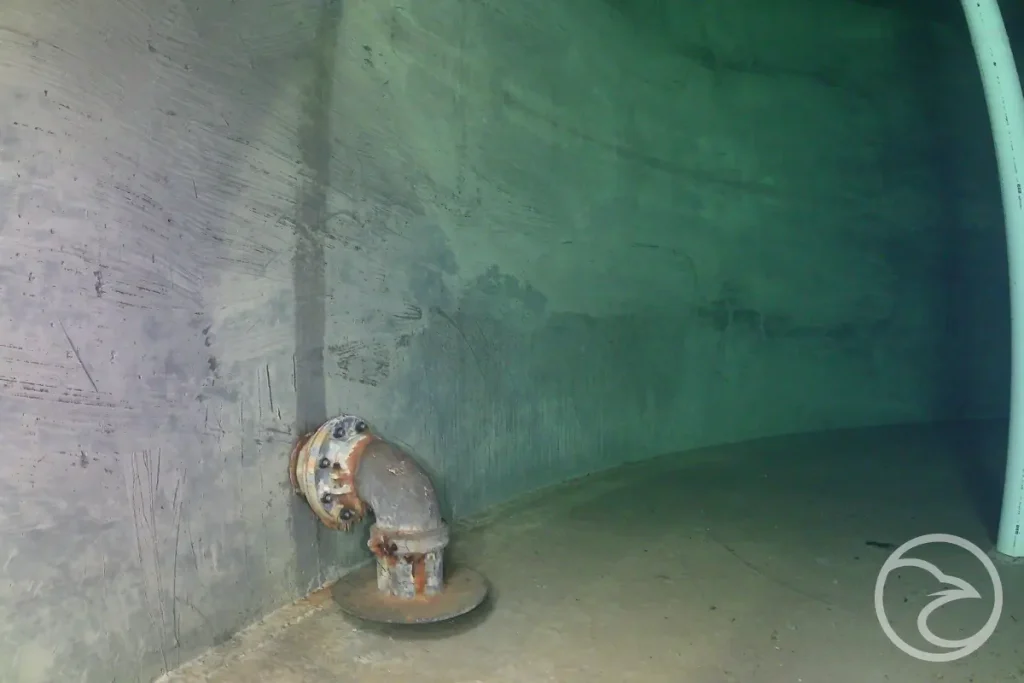
Remote underwater drones are increasingly integrated into broader tank management and condition assessment programs. Rather than functioning as standalone tools, they are often used alongside other monitoring methods to provide visual insight into hard-to-reach areas.
In professional contexts, these drones support informed decision-making by supplying real-time visual data that would otherwise be difficult or unsafe to obtain. In practice, remote underwater drones are often used as part of broader professional tank assessment programs, where visual data supports informed maintenance and safety decisions.
Practical Applications Across Different Tank Types
The use of remote underwater drones extends across a wide range of confined tank applications. They are commonly deployed in potable water tanks, industrial storage tanks, and other enclosed water-holding structures. Their adaptability allows them to be used in tanks of varying sizes and configurations.
As technology continues to evolve, improvements in camera resolution, maneuverability, and sensor integration are expected to further enhance the role of underwater drones in confined tank environments.