FRP Water Tanks: Benefits, Applications and Long-Term Performance
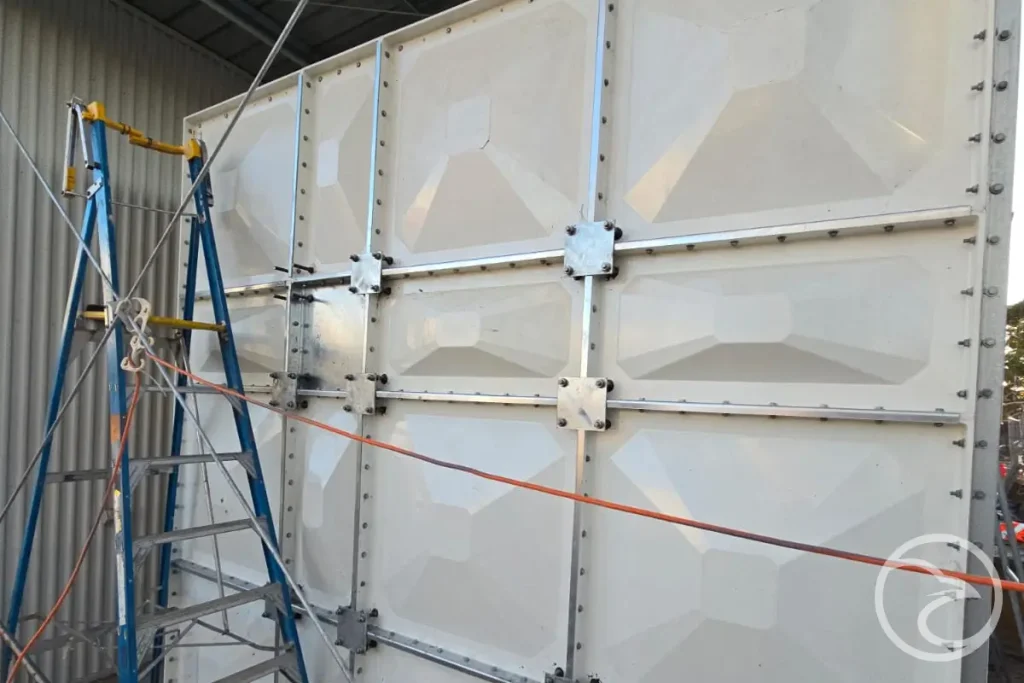
Reliable water storage is essential for homes, commercial buildings, industrial facilities, and agricultural operations. Choosing the right tank affects water quality, maintenance costs, and the overall lifespan of the storage system. As industries increasingly look for durable and low-maintenance solutions, FRP water tanks have become one of the preferred options. Made from fibre-reinforced composite materials, FRP tanks combine high strength with a lightweight structure. They resist corrosion, perform well in harsh environments, and require less maintenance than many traditional storage systems. These qualities make them suitable for potable water, fire protection, industrial processes, irrigation, and many other applications. You may also see these tanks referred to as GRP tanks or GRP water tanks. While the terminology differs slightly, both names usually describe composite water tanks reinforced with glass fibres. This guide explains what FRP water storage systems are, their main advantages, common applications, potential drawbacks, expected service life, and how they compare with steel and glass-fused-to-steel tanks. What are FRP Water Tanks? FRP stands for Fiber Reinforced Plastic, a composite material made by combining reinforcing fibres with a polymer resin. The fibres provide strength, while the resin protects the structure and holds the material together. In water storage, the reinforcing material is most commonly glass fibre. Because of this, many manufacturers also use the term GRP, which means Glass Reinforced Plastic. In practice, FRP and GRP are often used interchangeably when describing water storage tanks. Unlike conventional steel tanks, FRP does not rust. It also performs well in humid environments, coastal locations, and areas where tanks are exposed to chemicals or varying weather conditions. This makes it a reliable option for long-term water storage. Many modern GRP water tanks use a modular panel design. Instead of transporting one large tank, individual panels are delivered to the site and assembled into the required size. This approach simplifies transportation and allows large tanks to be installed where access is limited. FRP vs GRP: is there a Difference? Term Description FRP Fiber Reinforced Plastic. A general term for fibre-reinforced composite materials. GRP Glass Reinforced Plastic. A type of FRP reinforced specifically with glass fibres. Fiberglass Tank A common industry term for FRP or GRP water tanks. Although the terminology varies between manufacturers and regions, the performance characteristics are generally very similar. Why are FRP Water Tanks Becoming More Popular? The demand for FRP water storage continues to grow because owners are looking for storage systems that offer long-term value instead of simply the lowest purchase price. Compared with many traditional materials, FRP tanks provide several important benefits: These advantages make them suitable for projects ranging from small commercial buildings to large industrial facilities and municipal infrastructure. Key Advantages of FRP Water Tanks The popularity of FRP water tanks continues to grow because they combine durability, efficiency, and low maintenance. Unlike many traditional storage systems, they are designed to perform reliably in a wide range of environmental conditions. Below are the main advantages that make FRP tanks a preferred solution for modern water storage. Excellent Corrosion Resistance Corrosion is one of the biggest challenges for conventional water storage tanks. Over time, moisture, oxygen, and chemicals can damage metal surfaces, leading to rust, leaks, and expensive repairs. One of the greatest advantages of FRP water storage is that the material does not rust. The composite structure naturally resists moisture and many chemicals, making it suitable for harsh environments where steel tanks may deteriorate more quickly. This benefit is especially valuable in: Because corrosion is not a major concern, owners spend less time and money on protective coatings, repainting, and repairs. High Strength with Low Weight Although FRP tanks are lightweight, they offer excellent structural strength. The combination of reinforcing fibres and resin creates a material with a high strength-to-weight ratio. A lighter tank simplifies every stage of a project. Transportation becomes easier, lifting equipment may be smaller, and installation usually requires less labour. Lower weight also reduces the load placed on building structures and foundations. This can be an important advantage for rooftop installations and confined construction sites. The lightweight design also allows installers to assemble modular tanks in locations where heavy steel tanks would be difficult to transport. Long Service Life A well-designed water storage system should provide reliable performance for decades. Quality GRP tanks are known for their long operational life when installed and maintained correctly. Most manufacturers expect a service life of around 25 to 40 years, while some systems remain in operation even longer under favourable conditions. Several factors contribute to this durability: A longer lifespan lowers replacement costs and improves the overall value of the investment. Hygienic Water Storage Water quality is a priority for drinking water, food production, healthcare facilities, and many commercial buildings. The smooth internal surfaces of FRP water tanks help minimise the accumulation of dirt, algae, and sediment. Since the material does not rust, there is no risk of corrosion particles contaminating stored water. Many GRP water tanks are manufactured using materials approved for potable water storage. When properly maintained, they help preserve water quality throughout the storage period. Regular cleaning remains essential, but the tank material itself supports a hygienic storage environment. Excellent Weather Resistance Outdoor storage tanks must withstand changing weather throughout the year. Heavy rain, intense sunlight, temperature fluctuations, and high humidity can gradually affect some construction materials. FRP performs well under these conditions because it is resistant to moisture and many environmental influences. Many tanks also feature UV-resistant external coatings that help protect the surface from prolonged exposure to sunlight. This reduces fading and slows surface ageing. For facilities located near the coast, resistance to salt-laden air provides another important advantage over conventional steel tanks. Low Maintenance Requirements Every water storage system requires routine inspections, but FRP water storage tanks generally demand less maintenance than many metal alternatives. Owners do not need to regularly repaint external surfaces to prevent corrosion. Instead, maintenance focuses on standard inspection tasks such as: Lower maintenance requirements reduce operating costs throughout the tank’s service life while helping maintain reliable performance. Modular Design for Flexible Installation Many modern GRP tanks are manufactured using modular panels that are assembled on site. This design offers significant flexibility because tanks can be built in locations where
FRP Water Tanks: Benefits, Applications and Long-Term Performance Read More »