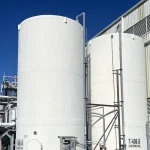
Fire water tanks are a critical component of fire protection infrastructure. Their reliability directly affects emergency readiness, making safety, structural integrity, and system performance a top priority for facility operators. To support these goals, many organizations rely on NFPA-compliant tank safety principles, which emphasize risk reduction, system reliability, and proactive asset management.
As fire protection systems evolve, modern technology is playing an increasingly important role in helping facilities maintain NFPA-compliant tank safety while minimizing operational disruption.
Understanding NFPA-Compliant Tank Safety
NFPA-compliant tank safety focuses on ensuring that fire water storage systems remain functional, accessible, and structurally sound under emergency conditions. This includes maintaining adequate water volume, preventing structural degradation, and ensuring that tanks can perform as intended during a fire event.
Rather than concentrating solely on inspection intervals, NFPA-compliant tank safety encourages a broader view of system health. This includes documentation, condition awareness, and early identification of potential risks that could compromise performance or safety.
Why Technology Matters in Fire Water Infrastructure
Traditional tank evaluation methods often require draining systems, confined-space entry, or extended downtime. While effective, these approaches can introduce operational challenges and safety risks.
Modern technology offers alternative ways to support NFPA-compliant tank safety by improving visibility into tank conditions without interrupting system availability. Digital tools and remote monitoring solutions help facilities gain better insight into internal conditions while keeping fire protection systems active.
Key Technological Contributions to Tank Safety
Several technological advancements now support safer and more informed tank management:
Enhanced visibility
High-resolution imaging systems allow operators to observe internal tank conditions that would otherwise remain hidden. This improves awareness of coating conditions, sediment accumulation, and structural features.
Reduced personnel risk
By limiting the need for confined-space entry, technology-driven assessments reduce exposure to hazardous environments, aligning with NFPA safety principles.
Operational continuity
Fire water tanks often need to remain online at all times. Modern tools enable data collection without draining tanks, preserving readiness while still supporting safety objectives.
Data-driven planning
Visual records and digital reports allow facility managers to track changes over time, helping prioritize maintenance activities and plan future interventions more effectively.
Supporting Proactive Risk Management
NFPA-compliant tank safety is not only about meeting baseline requirements; it is also about reducing long-term risk. Technology supports this goal by enabling early identification of potential issues before they escalate into failures.
Common conditions that can be observed through modern monitoring approaches include corrosion patterns, coating deterioration, sediment buildup, and signs of structural stress. Identifying these issues early allows facilities to take corrective action while minimizing cost and disruption.
Integration with Broader Safety Strategies
Technology should be viewed as part of a comprehensive fire protection strategy rather than a standalone solution. When integrated with maintenance planning, documentation practices, and safety protocols, modern tools strengthen overall compliance efforts.
Many facilities now incorporate advanced monitoring solutions as a supplemental resource within their broader fire water management programs. These tools provide valuable context and support informed decision-making without replacing established safety procedures.
Facilities seeking to better understand how technology can support fire water system oversight may explore advanced monitoring solutions used in modern tank management, which demonstrate how digital tools contribute to safer and more reliable infrastructure.
As part of a broader approach to NFPA-compliant tank safety, many facilities rely on remote underwater monitoring technologies to gain internal condition insights while keeping fire water systems fully operational.
Limitations and Considerations
While technology offers significant benefits, it is important to recognize its limitations. Water clarity, tank geometry, and internal obstructions can affect data quality. In some cases, traditional methods may still be required to complement digital assessments.
NFPA-compliant tank safety relies on selecting the right tools for the right conditions and ensuring that qualified professionals interpret the results accurately.
Conclusion
NFPA-compliant tank safety is an essential element of fire protection system reliability. As technology continues to evolve, it offers practical ways to improve visibility, reduce risk, and support informed asset management without compromising system readiness.
By integrating modern technological tools into their fire water infrastructure strategies, facilities can enhance safety outcomes, support long-term compliance, and maintain confidence in their fire protection systems.