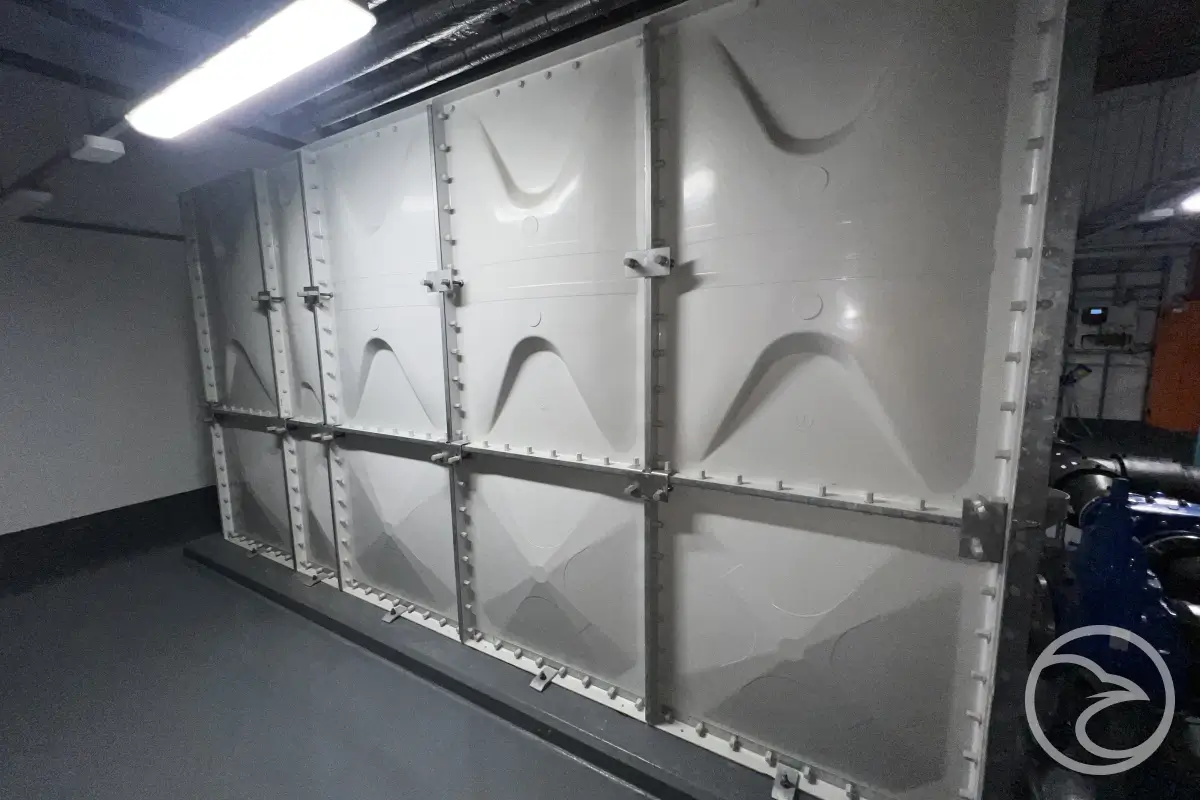
Fiberglass-reinforced plastic (FRP) panel tanks have become an increasingly common solution for modern water storage. Their lightweight design, corrosion resistance, and modular construction make them suitable for a wide range of environments. Instead of being limited to one type of facility, these tanks can be found in industries that require reliable water storage, structural durability, and long-term stability.
This article explores the most common areas where FRP panel tanks are used and why they are chosen over traditional materials like steel or concrete.
1. Potable Water Storage for Communities and Buildings
One of the most widespread applications of FRP panel tanks is potable water storage. Because FRP materials are corrosion-resistant and non-reactive, they are suitable for storing drinking water without affecting water quality.
Typical locations include:
- Residential buildings
- Apartment complexes
- Schools and universities
- Hotels and resorts
- Public infrastructure facilities
These tanks are often installed on rooftops or in basements as part of the building’s main water supply system. Their modular design makes them especially useful in urban areas where space is limited, since they can be assembled directly on-site.
2. Fire Protection and Emergency Water Storage
Reliable water storage is essential for fire protection systems. In many industrial and commercial buildings, FRP tanks are used to supply water for fire sprinklers, hydrants, and emergency suppression systems.
They are preferred because:
- They do not corrode like steel tanks
- They maintain structural integrity over time
- They are easier to maintain compared to concrete alternatives
Industries that frequently use FRP tanks for fire safety include manufacturing facilities, logistics warehouses, and large commercial buildings.
3. Agricultural and Irrigation Systems
Agriculture often requires large volumes of water to be stored for irrigation, livestock care, and crop management. FRP panel tanks provide a practical solution because they can store water safely without rusting or degrading in outdoor environments.
Common agricultural applications include:
- Irrigation systems
- Livestock water supply
- Rainwater harvesting systems
Since these tanks can be installed in remote locations and assembled on site, they are well suited for farms and rural properties.
4. Industrial Water Storage and Processing
Industrial facilities often need water storage solutions that can withstand chemicals, fluctuating temperatures, and continuous use. FRP tanks meet these demands because the material is resistant to many corrosive substances.
Industries that commonly use FRP panel tanks include:
- Chemical manufacturing
- Food and beverage processing
- Textile production
- Energy generation facilities
These tanks may store raw water, process water, or treated wastewater depending on operational needs.
5. Wastewater Treatment and Environmental Applications
In wastewater treatment, materials must withstand aggressive environments. FRP is suitable for this purpose due to its resistance to corrosion and chemical exposure.
Applications include:
- Temporary or permanent wastewater holding
- Treatment plant storage
- Sludge storage systems
Municipal treatment facilities often choose FRP tanks because they offer a balance between durability and ease of installation.
6. Marine and Coastal Installations
Coastal and marine environments can be particularly harsh on metal structures due to salt exposure. Traditional steel tanks often degrade quickly in these conditions.
FRP tanks are commonly used in:
- Coastal resorts
- Marine research facilities
- Offshore installations
Their resistance to saltwater corrosion makes them a dependable option in these environments.
7. Remote Locations and Emergency Infrastructure
In areas where transporting and installing traditional tanks would be difficult, modular FRP systems provide a practical solution. Since components can be transported in panels and assembled on-site, they are used in:
- Mining camps
- Remote villages
- Disaster relief operations
This flexibility makes them suitable for temporary or rapidly deployed infrastructure.
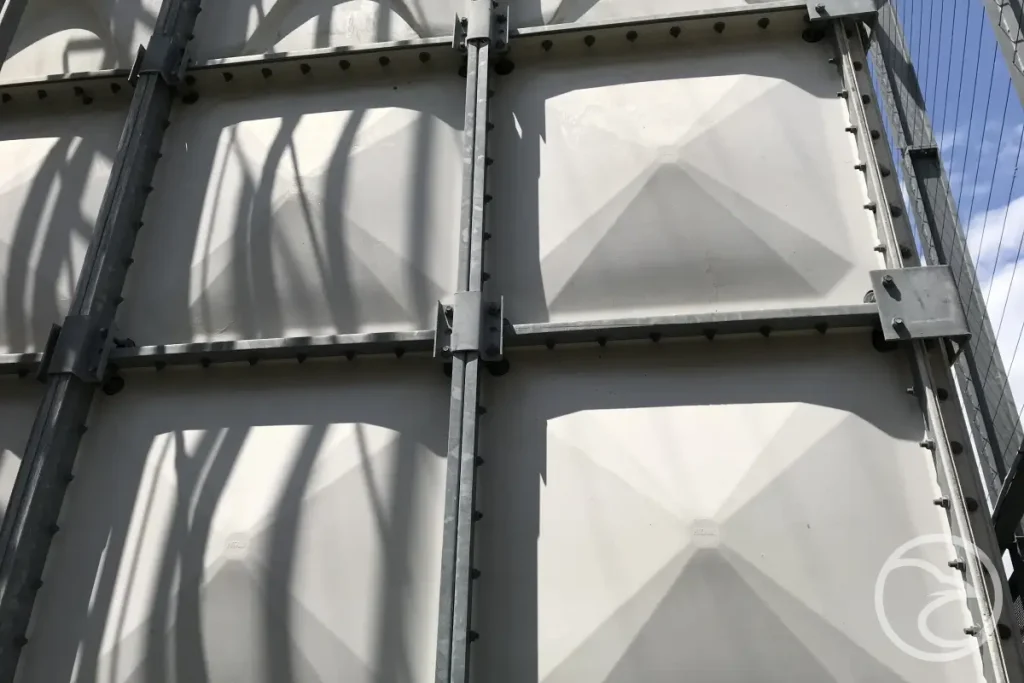
Why FRP Panel Tanks are Chosen Across Industries
The growing adoption of frp panel tanks is driven by several key advantages:
- Resistance to corrosion and environmental wear
- Lightweight yet strong construction
- Modular assembly for easy transport and installation
- Long lifespan with minimal maintenance
- Suitability for indoor and outdoor installations
These qualities make them a preferred option where durability, water safety, and long-term cost efficiency matter. The growing adoption of FRP panel tanks is driven by several key advantages.
Conclusion
FRP panel tanks are used across a wide range of industries—from residential and agricultural applications to industrial and emergency systems. Their adaptability, durability, and resistance to corrosion make them suitable for diverse environments where reliable water storage is critical.
As demand for sustainable and long-lasting water storage solutions continues to grow, FRP systems remain a practical choice across many sectors.