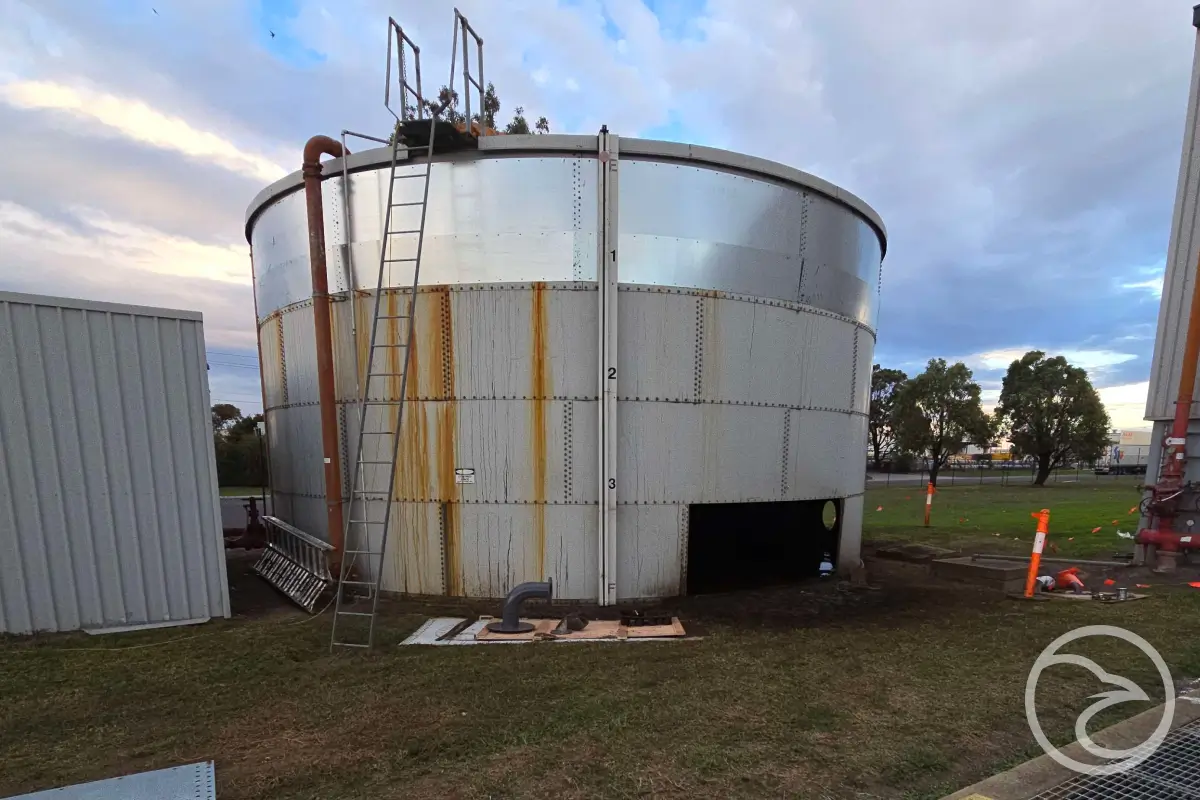
Storage tanks are designed for long-term operation, but continuous exposure to environmental and operational conditions gradually affects their condition. Corrosion, coating deterioration, moisture intrusion, and structural wear can reduce reliability and increase maintenance requirements over time.
Understanding how tank refurbishment extends service life helps facility owners make informed maintenance decisions. When these issues begin to affect performance, facility owners often look for practical ways to extend asset life without the cost of full replacement.
Why Tank Service Life Matters
Storage tanks represent a significant investment. Maximizing service life helps facilities reduce capital expenditures and improve long-term asset value.
Extending tank life can provide several benefits:
- Lower replacement costs
- Reduced operational disruption
- Improved reliability
- Better return on investment
- Enhanced asset performance
A proactive maintenance strategy often produces the best long-term results.
What Causes Tank Deterioration?
Tank deterioration occurs gradually.
Several factors contribute to declining condition, including:
- Corrosion
- Coating failure
- Environmental exposure
- Material fatigue
- Structural movement
- Moisture intrusion
Without corrective action, these issues can reduce service life and increase repair costs. Learn more about the most common tank corrosion causes and how they affect storage tank performance.
What is Tank Refurbishment?
Tank refurbishment services is the process of restoring an existing tank to improve condition, performance, and reliability. The scope of work varies depending on inspection findings and asset condition.
Common refurbishment activities include:
- Surface preparation
- Corrosion removal
- Coating replacement
- Structural repairs
- Weld restoration
- Component upgrades
The objective is extending useful life while maintaining safe operation.
Restoring Protective Systems
Protective coatings play a critical role in preserving tank integrity. When coatings fail, corrosion can accelerate quickly. Refurbishment often includes removing deteriorated coatings and applying new protective systems.
Benefits include:
- Improved corrosion resistance
- Better environmental protection
- Reduced maintenance requirements
- Extended service life
Maintaining effective protective barriers helps slow future deterioration.
Addressing Corrosion Before it Spreads
Corrosion is one of the most common reasons tanks require refurbishment. If left untreated, corrosion can lead to material loss and structural concerns.
Refurbishment helps address:
- Surface corrosion
- Pitting
- Coating damage
- Localized deterioration
- Corrosion around welds and fittings
Early intervention often prevents more extensive repairs later.
Improving Structural Reliability
Structural defects can affect both safety and operational performance. Refurbishment projects often include repairs designed to restore integrity and reliability.
Examples include:
- Weld repairs
- Localized steel replacement
- Structural reinforcement
- Crack remediation
- Component restoration
These improvements help support continued operation and reduce long-term risk.
The Importance of Tank Inspections
Successful refurbishment begins with a thorough inspection.
Inspections help determine:
- Corrosion severity
- Structural condition
- Coating performance
- Repair requirements
- Remaining service life
Inspection findings provide the information needed to develop an effective refurbishment strategy. Learn how tank inspections support refurbishment decisions and help identify the most appropriate restoration approach.
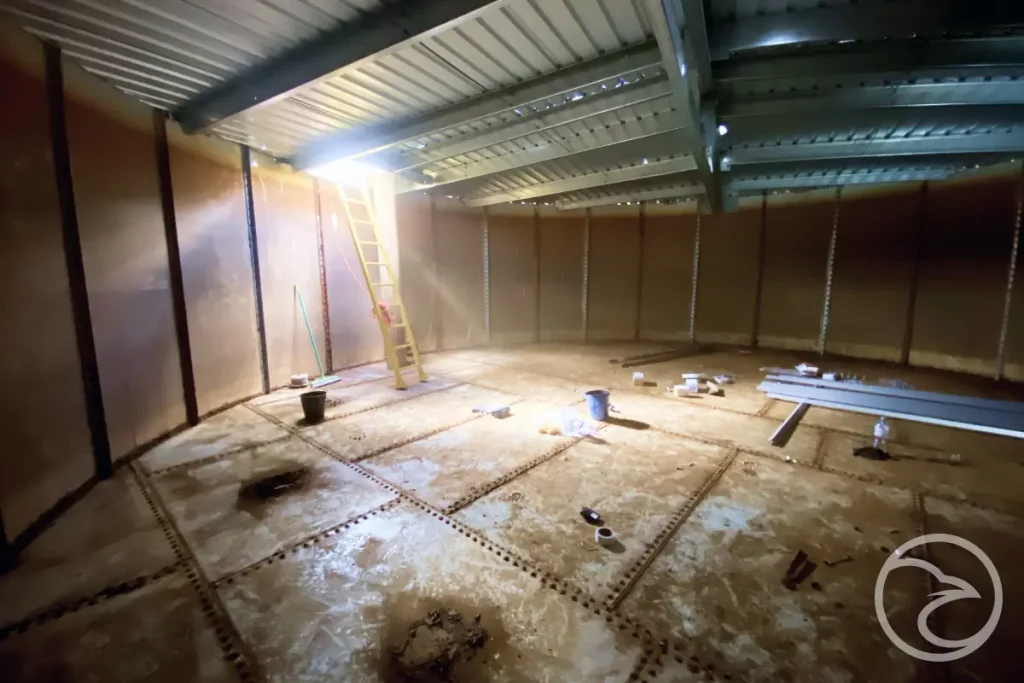
Extending Service Life Without Replacement
One of the primary benefits of refurbishment is extending service life while avoiding replacement costs. Many tanks remain structurally viable even when visible deterioration is present.
Refurbishment allows facility owners to:
- Preserve existing assets
- Improve performance
- Delay replacement
- Reduce capital spending
- Extend operational life
This approach often provides significant value when deterioration remains manageable.
Long-Term Cost Benefits
Replacing a tank is often one of the largest capital expenses a facility faces. Refurbishment may offer a more cost-effective alternative.
Potential benefits include:
- Lower project costs
- Reduced downtime
- Faster project completion
- Improved asset utilization
- Extended lifecycle value
The financial advantages often increase when deterioration is identified early.
When Refurbishment may not be Enough
Although refurbishment can extend service life, it is not always the best solution.
Some tanks may have:
- Severe structural deterioration
- Extensive material loss
- Major foundation problems
- Significant design limitations
In these situations, replacement may provide greater long-term value. To compare both options, review tank refurbishment vs tank replacement and the factors that influence the decision.
Signs That Refurbishment may be Needed
Early identification improves the likelihood of successful refurbishment.
Common warning signs include:
- Visible corrosion
- Coating deterioration
- Leaks
- Structural deformation
- Cracking
- Increasing maintenance costs
Addressing these issues early often helps maximize asset life.
Conclusion
Tank refurbishment can play an important role in extending service life and improving long-term performance. By addressing corrosion, coating deterioration, and structural defects, refurbishment helps restore reliability while delaying replacement costs.
Understanding how tank refurbishment extends service life allows facility owners to make informed maintenance decisions and maximize the value of existing storage tank assets.
When supported by regular inspections and proactive maintenance, refurbishment can provide years of additional service and operational reliability.