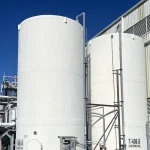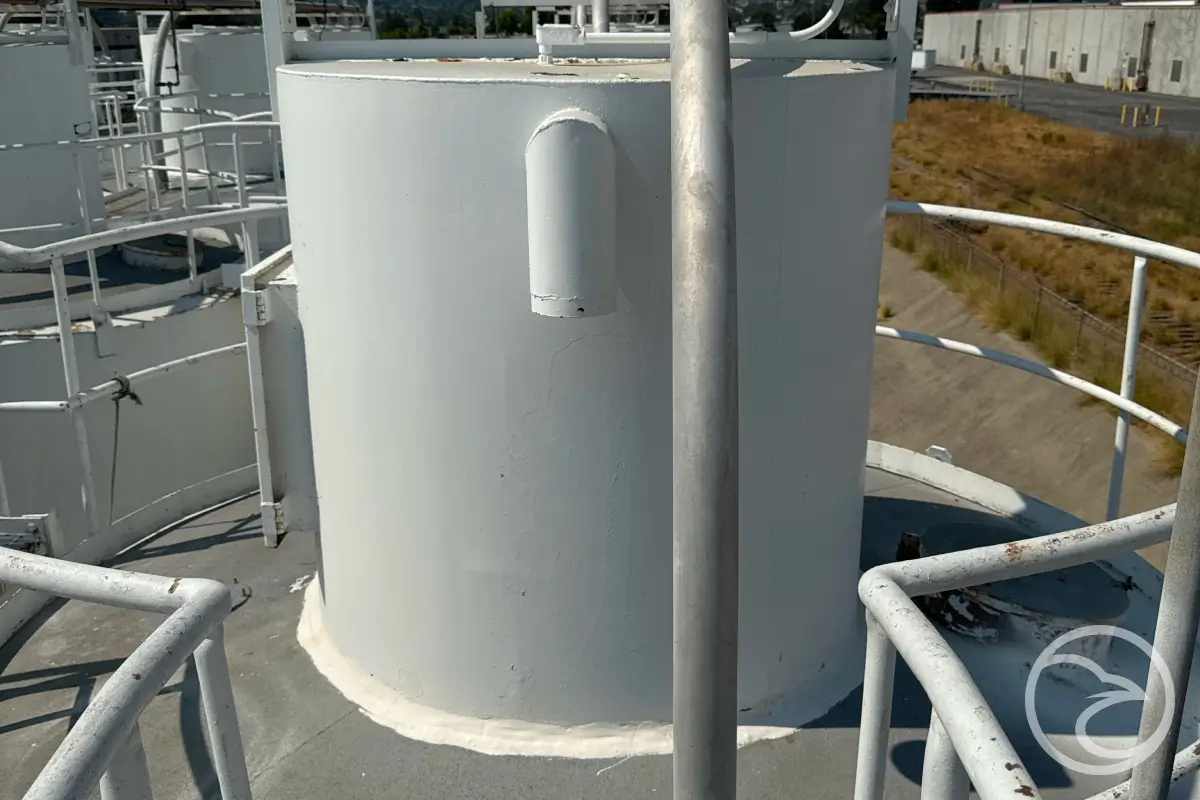
Silos play a critical role in industrial and agricultural storage, protecting bulk materials such as grain, cement, chemicals, and minerals. Because they operate under constant pressure, exposure to weather, and ongoing material movement, structural issues can develop over time. Understanding common silo structural problems helps facility managers reduce risks, extend asset lifespan, and maintain safe storage conditions.
Structural Cracks and Wall Damage
One of the most frequent structural issues in silos is cracking in walls or foundations. These cracks can appear in concrete, steel, or composite structures and often result from pressure fluctuations, temperature changes, or uneven settling of the base.
While small surface cracks may seem minor, they can allow moisture penetration or weaken structural integrity if ignored. Preventive measures include monitoring load distribution, maintaining stable foundations, and addressing minor cracks early before they expand.
Corrosion and Material Degradation
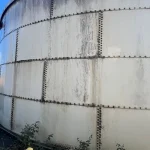
Corrosion is particularly common in steel silos, especially when materials stored inside generate moisture or chemical reactions. External weather exposure, condensation, and inadequate coatings accelerate deterioration.
Over time, corrosion can thin silo walls, weaken joints, and increase the risk of leaks or structural instability. Regular protective coatings, proper ventilation, and moisture control help slow this process. Choosing corrosion-resistant materials during construction also significantly improves durability.
Roof and Support Structure Failures
The silo roof and supporting framework often experience stress from environmental factors such as snow loads, wind pressure, and temperature expansion. Damage in these areas may include deformation, loose fasteners, or fatigue in supporting beams.
Because roof failures can lead to contamination, operational interruptions, or safety hazards, periodic checks of structural supports and drainage systems are essential. Keeping drainage paths clear and repairing minor distortions early reduces long-term risks.
Foundation Settlement and Alignment Issues
Uneven foundation settlement is another serious structural concern. This may occur due to soil instability, inadequate base preparation, or changes in surrounding ground conditions. When foundations shift, silo walls can tilt, joints may weaken, and discharge systems might malfunction.
Preventive strategies include proper geotechnical assessment before installation, drainage control around foundations, and monitoring alignment over time. Early detection of uneven settlement helps avoid costly structural repairs later.
Internal Wear and Abrasion
Stored materials constantly move during filling and discharge cycles. Abrasive materials such as cement, sand, or grain can gradually wear internal surfaces, particularly near discharge points or flow channels.
Excessive internal wear reduces wall thickness and may create weak points. Installing liners, optimizing flow patterns, and selecting suitable construction materials help minimize abrasion damage and maintain structural stability.
Joint, Bolt, and Seal Failures
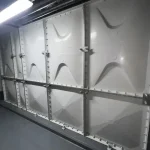
Many silos rely on bolted panels, welded joints, or sealed connections. Over time, vibration, temperature changes, and material pressure can loosen bolts or degrade seals. This may lead to leaks, contamination risks, or structural imbalance.
Routine tightening, replacement of worn seals, and inspection of connection points help maintain overall structural integrity. Addressing joint issues promptly prevents escalation into larger structural concerns.
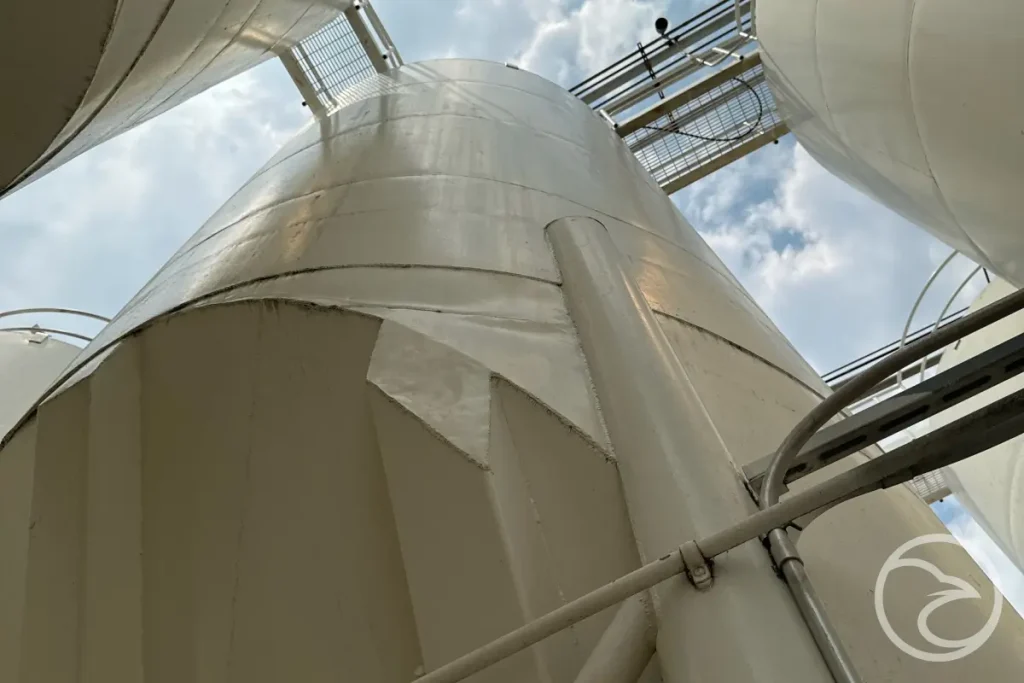
Environmental and Operational Stress Factors
Environmental conditions often accelerate structural deterioration. High humidity, temperature fluctuations, chemical exposure, or extreme weather events can all contribute to structural stress. Operational factors such as overfilling, improper discharge procedures, or uneven loading also increase strain on silo components.
Establishing clear operating guidelines, monitoring load limits, and maintaining environmental controls reduce these risks. Preventive maintenance remains far more effective than reactive repairs.
Early detection usually comes from scheduled structural condition reviews.
Why Early Awareness Matters
Recognizing common silo structural problems early supports safer operations and protects stored materials. Structural deterioration rarely happens suddenly; it typically develops gradually through small, detectable changes. Awareness allows facilities to plan maintenance, reduce downtime, and extend the life of storage infrastructure.
A proactive approach that combines monitoring, maintenance planning, and proper operational practices helps ensure silos remain safe, efficient, and reliable over time.