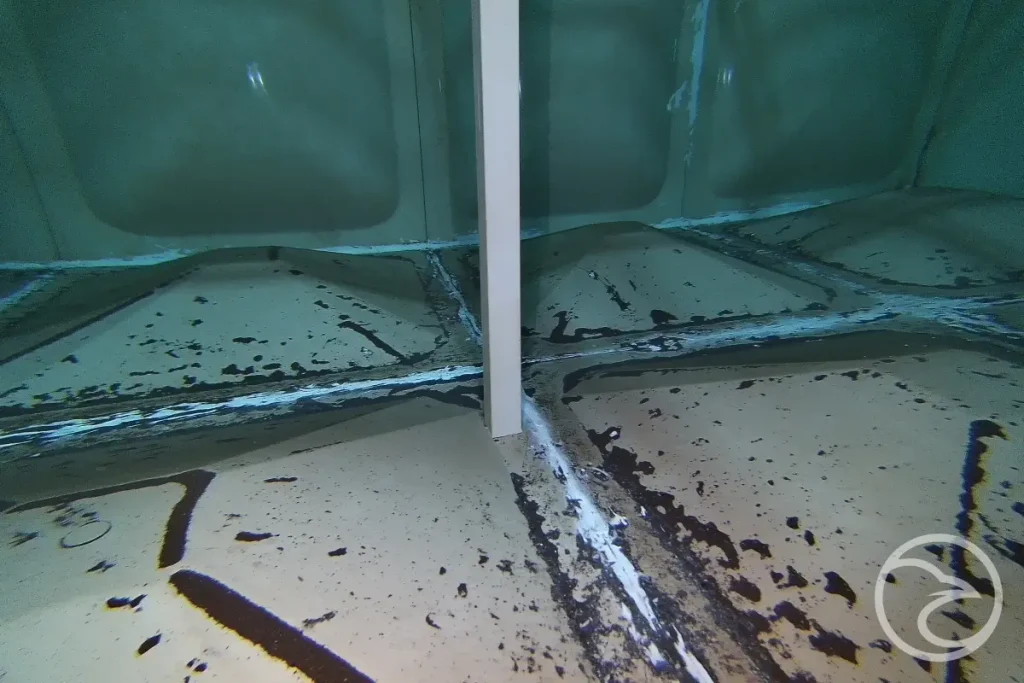
grp tank repair signs

Signs Your Fiberglass Tank Needs Repair: Early Warning Indicators

Fiberglass tanks are widely used in industrial and commercial environments. They are valued for durability, corrosion resistance, and long service life. However, even the strongest GRP tanks can develop issues over time. These issues often appear as fiberglass tank repair signs. Recognizing early warning signs is critical. Small defects can quickly grow into serious structural failures. Timely action helps reduce costs and prevents operational downtime. In this guide, we explain the most common fiberglass tank repair signs. We also show when professional repair becomes necessary. Why Early Detection Matters Fiberglass tanks degrade gradually. Damage often starts at a microscopic level before becoming visible. Ignoring early symptoms can lead to: Regular inspection helps identify problems before they escalate. If damage is confirmed, professional GRP tank repairs should be considered as soon as possible. 1. Visible Cracks on the Tank Surface Cracks are one of the most obvious indicators of damage. They can appear on the exterior or interior surfaces. There are two main types: Hairline cracks often result from stress, temperature changes, or aging resin. Structural cracks may indicate load or pressure issues. Even small cracks should not be ignored. They allow moisture and chemicals to penetrate the tank layers. 2. Leaks and Moisture Seepage Leaks are a clear sign that the tank integrity is compromised. They may appear as: In some cases, leaks are slow and difficult to detect. Moisture may accumulate around fittings, seams, or joints. If your tank shows leakage, it is important to assess the extent of damage. You can learn more about repair approaches in our guide on how fiberglass tanks are repaired. 3. Surface Blistering and Delamination Blistering occurs when air or liquid becomes trapped between fiberglass layers. This creates raised bubbles on the surface. Delamination is more serious. It happens when layers begin to separate from each other. Common causes include: These issues weaken the tank structure. Over time, they can lead to failure under pressure. 4. Discoloration and Chemical Damage Fiberglass tanks are designed to resist corrosion. However, prolonged exposure to aggressive chemicals can still cause damage. Warning signs include: Discoloration may seem cosmetic, but it often signals deeper chemical degradation. If left untreated, affected areas can lose strength and flexibility. 5. Deformation or Bulging A properly functioning tank maintains its shape. Any visible deformation is a red flag. Bulging or warping may occur due to: This type of damage is serious. It suggests that the tank may no longer handle operational loads safely. Immediate inspection is recommended in such cases. 6. Joint and Seam Failures Seams and joints are critical points in any fiberglass tank. They are more vulnerable to stress and wear. Common issues include: Failures in these areas can spread quickly. Repairing them early prevents further structural damage. 7. Aging and General Wear Even without visible damage, aging affects fiberglass tanks. Over time, materials lose strength due to: Older tanks are more prone to cracking and delamination. Regular inspections become increasingly important as the tank ages. If your system has been in service for many years, preventive maintenance should not be delayed. 8. Unusual Odors or Contamination In tanks used for water or chemicals, contamination is a serious concern. Signs may include: These issues may result from internal lining damage. Cracks or degradation allow external contaminants to enter the tank. Addressing the root cause often requires repair or relining. When to Take Action Not every issue requires immediate replacement. In many cases, timely repairs can extend the tank’s lifespan significantly. You should act if you notice: Delaying repairs increases risk and cost. Early intervention is always more efficient. Repair vs Replacement: what to Consider Choosing between repair and replacement depends on: Minor to moderate damage is usually repairable. Advanced techniques can restore structural strength and resistance. You can learn more about repair approaches in our guide on how fiberglass tank repairs work. Final Thoughts Fiberglass tanks are reliable, but they are not maintenance-free. Early detection of damage is essential for safe operation. Cracks, leaks, and surface defects are common fiberglass tank repair signs. Even small issues can lead to major failures over time. Regular inspection and timely repairs protect both your equipment and your operations. If you notice these fiberglass tank repair signs, consider a professional assessment. Acting early can save significant time and cost in the long run.

Signs Your Fiberglass Tank Needs Repair: Early Warning Indicators Read More »