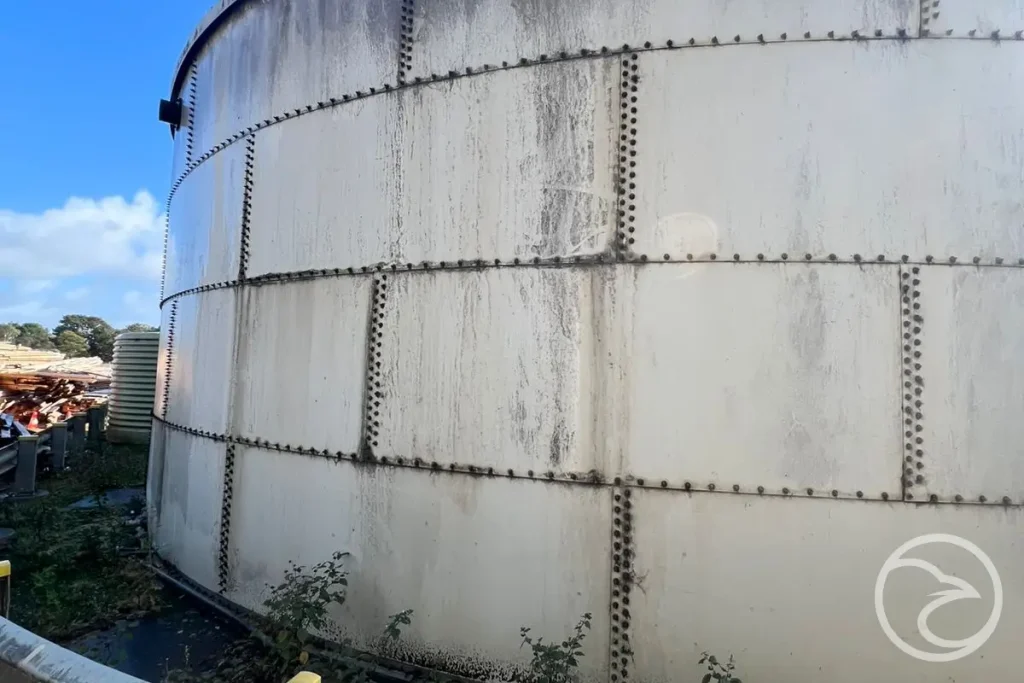
How to Tell If Your Water Tank Needs Repair or Full Replacement
Water tanks are built to last, but they are not immune to wear and damage. Over time, even the most durable systems can develop issues that affect performance, safety, and water quality. Knowing the early warning signs can help you avoid costly failures and extend the life of your tank. In this guide, we’ll explore the most common signs your water tank needs repair or replacement, and how to decide which option is the right one. Why Early Detection Matters Ignoring small tank issues can quickly lead to major problems. A minor leak or surface corrosion may not seem urgent at first, but over time it can compromise the entire structure. Early detection helps: Regular inspections and awareness of key warning signs are essential for any property owner or facility manager. 1. Visible Leaks and Water Loss One of the most obvious signs of tank damage is leaking. Even small drips can indicate deeper structural issues. Look for: Leaks often start small but can worsen quickly. In some cases, targeted repairs may fix the issue. However, if leaks are widespread or recurring, it may be time to consider tank refurbishment or replacement. 2. Corrosion and Rust Formation Corrosion is a major threat to both steel and metal tanks. It weakens the structure and can lead to contamination of stored water. Common signs include: Surface corrosion can often be treated, especially if caught early. But extensive rust damage usually requires more advanced solutions like tank refurbishment to restore the tank’s integrity. 3. Cracks and Structural Damage Cracks are a serious warning sign, especially in concrete or older tanks. They can allow contaminants to enter and water to escape. Pay attention to: Minor cracks can sometimes be sealed. However, structural damage often indicates that the tank is reaching the end of its lifespan. 4. Declining Water Quality If the water stored in your tank starts to look, smell, or taste unusual, the tank itself may be the problem. Warning signs include: These issues can result from internal corrosion, liner failure, or contamination entering through damaged areas. Addressing the root cause is critical to maintaining safe water storage. 5. Aging Tank System Every tank has a lifespan, depending on its material and maintenance history. Typical lifespans: If your tank is approaching or exceeding its expected lifespan, problems are more likely to occur. Even if no major damage is visible, aging systems often benefit from inspection and possible upgrades. 6. Frequent Repairs If you find yourself fixing the same issues repeatedly, it may be a sign that the tank is no longer reliable. Ask yourself: When maintenance becomes ongoing rather than occasional, it is often more cost-effective to consider a long-term solution. 7. Damaged or Failing Tank Liner Tank liners play a critical role in protecting the structure and maintaining water quality. Over time, liners can degrade due to chemical exposure, UV radiation, or general wear. Signs of liner failure: Replacing or upgrading the liner is often a key part of tank restoration and can significantly improve performance and longevity. Repair vs Replacement: How to Decide Choosing between repair and replacement depends on several factors: Choose repair or refurbishment if: Consider replacement if: If you’re unsure, a professional inspection can help determine the best course of action. When to Take Action Delaying action can lead to more serious consequences, including system failure and safety risks. If you notice any of the signs listed above, it’s important to act quickly. Regular inspections, preventive maintenance, and timely upgrades will help ensure your tank continues to operate efficiently for years to come. Final Thoughts Understanding the signs your water tank needs repair or replacement is essential for protecting your investment and ensuring reliable water storage. From leaks and corrosion to aging systems and declining water quality, these warning signs should never be ignored. Acting early gives you more options, whether that means simple repairs or a complete upgrade. With the right approach, you can extend the life of your tank, improve performance, and avoid unnecessary costs in the future.
How to Tell If Your Water Tank Needs Repair or Full Replacement Read More »