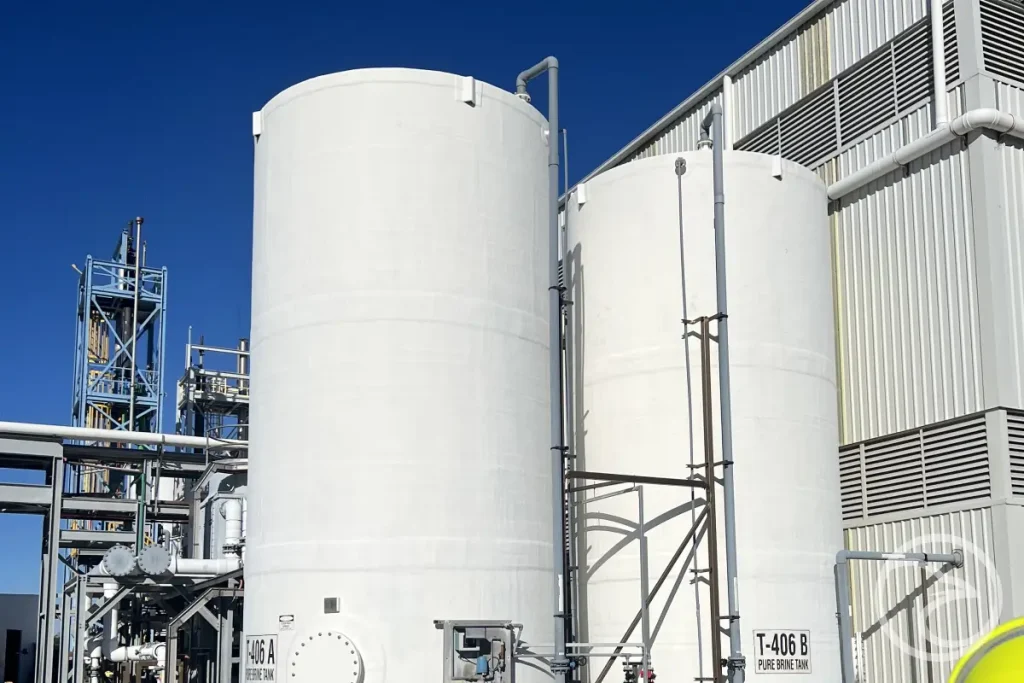
A Practical Guide to Silo Crack Testing and Detection Methods
Silos operate under constant pressure, vibration, and environmental exposure. Over time, these factors weaken materials and create structural stress. Cracks are one of the most common issues in silo structures. They often develop slowly and remain undetected. Small cracks may seem harmless at first. However, they can grow and compromise structural integrity. This is why crack testing is a critical part of silo condition assessment. Why Crack Detection Matters in Silos Cracks reduce the strength of structural components. They create weak points that can expand under load. Some cracks are visible on the surface, while others form internally and are harder to detect. Hidden cracks are especially dangerous. They can lead to sudden failure without warning. Environmental factors also contribute to crack formation. Temperature changes cause expansion and contraction. Moisture can accelerate corrosion and material degradation. Repeated loading cycles increase structural fatigue. Regular crack detection helps identify these risks early. To better understand the broader impact on safety and performance, see why silo inspections matter. Common Types of Cracks in Silos Different cracks indicate different structural conditions. Understanding them helps determine the level of risk. Surface Cracks These appear on exposed areas of the structure. They are often caused by weather and minor stress. Structural Cracks These affect load-bearing elements. They are more serious and may impact overall stability. Weld Cracks These develop along welded joints. They often result from stress concentration or poor welding quality. Foundation Cracks These occur near the base of the silo. They are usually linked to settlement or uneven load distribution. Each crack type requires a different evaluation approach. Main Silo Crack Testing Methods Modern inspections use non-destructive testing methods. These techniques detect damage without harming the structure. Visual Inspection This is the first step in crack detection. Inspectors look for visible damage, corrosion, and deformation. Visual checks provide useful initial information. However, they cannot detect internal defects. Ultrasonic Testing (UT) Ultrasonic testing measures material thickness. It helps detect internal cracks and hidden defects. This method is widely used for steel silos. Magnetic Particle Testing (MPI) MPI is used for detecting surface and near-surface cracks. It works by applying a magnetic field to the material. Cracks disrupt the field and become visible. Dye Penetrant Testing (DPT) This method uses a liquid dye to reveal surface cracks. It is effective for detecting fine defects. DPT is simple and widely used in inspections. Internal and Remote Inspection Tools Some areas are difficult to access directly. In these cases, remote tools are used. Borescopes allow inspection of confined internal spaces. They provide visual access without dismantling the structure. In certain situations, remote-operated systems may also be used. These tools help inspect hard-to-reach or hazardous areas. Challenges in Silo Crack Detection Crack detection is not always straightforward. Some cracks develop beneath coatings or corrosion layers. These are difficult to identify visually. Environmental conditions can affect inspection accuracy. Dust, residue, and moisture may hide defects. Access limitations are another challenge. Certain areas require specialized equipment. Because of these factors, multiple testing methods are often combined. When Should Crack Testing be Performed Crack testing should be part of regular maintenance. It is recommended in the following situations: Routine testing helps detect issues at an early stage. Why Crack Testing Is Important During Silo Inspections Crack testing is one part of a complete evaluation process. It focuses on identifying structural defects and weaknesses. A full assessment may include corrosion checks and safety evaluation. It also considers load conditions and overall performance. Learn more about our professional silo crack testing inspections to understand the complete evaluation process. What Happens after Crack Detection Detecting a crack is only the first step. The next step is evaluating its severity. Some cracks require immediate repair. Others may be monitored over time. Repair decisions depend on location and structural impact. They may include sealing, reinforcement, or welding. Accurate assessment helps determine the right action. Final Thoughts Silo crack testing helps identify structural risks early. It plays an important role in maintaining safety and reliability. Using the right methods improves accuracy and decision-making. It also reduces the risk of unexpected failures. Regular testing supports long-term performance and structural stability.
A Practical Guide to Silo Crack Testing and Detection Methods Read More »