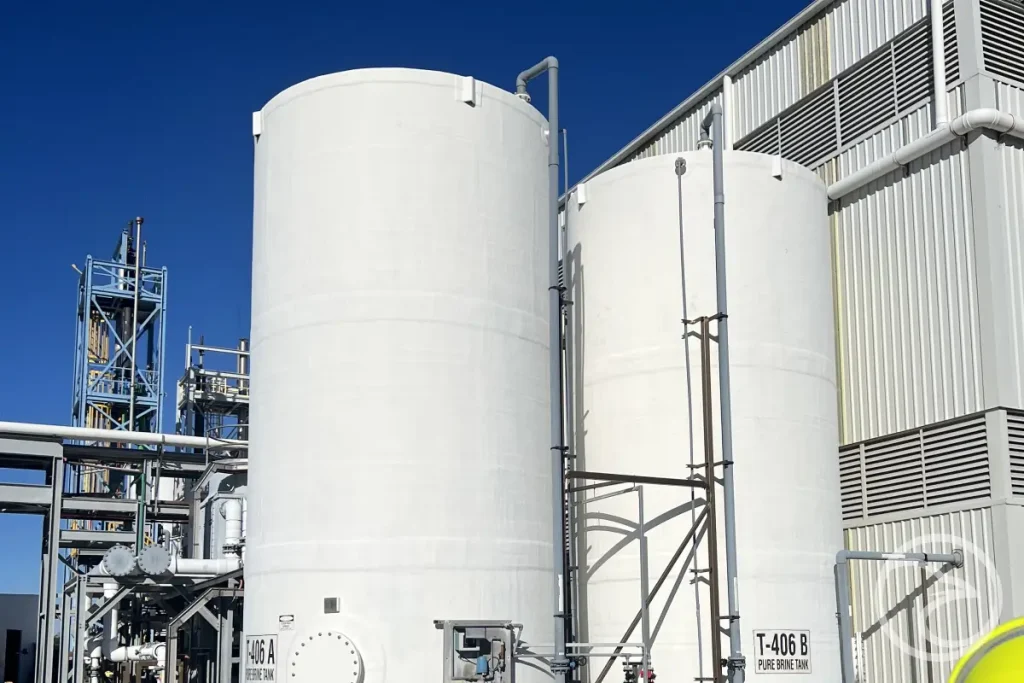
A Practical Guide to Silo Crack Testing and Crack Detection Methods
Silos are essential structures used in agriculture, construction, and industrial storage. They are designed to handle heavy loads and constant pressure. Over time, these conditions can lead to structural stress and material fatigue. As a result, cracks may begin to form. Silo crack testing plays a key role in identifying these issues early and is often performed as part of broader silo inspections. It helps assess the condition of the structure and supports long-term maintenance planning. Understanding how cracks are detected can provide valuable insight into silo safety and performance. Why Crack Detection in Silos Matters Cracks in silos are not always visible at first glance. Some develop slowly and remain hidden beneath coatings or inside structural layers. However, even small cracks can expand over time. When left unnoticed, cracks may lead to leakage, contamination, or structural instability. In some cases, they can affect the load-bearing capacity of the silo. This makes regular silo crack testing an important part of asset management. Early detection allows operators to monitor changes and plan repairs if needed. It also reduces the risk of unexpected failures. Common Causes of Cracks in Silos Before exploring testing methods, it helps to understand why cracks appear in the first place. Several factors can contribute to crack formation: Environmental conditions also play a role. Moisture, temperature changes, and chemical exposure can weaken structural components over time. Because these factors vary, silo crack testing often requires a combination of methods. Visual Inspection as the First Step Visual inspection is usually the starting point in silo crack testing. It involves examining the surface for visible signs of damage. Inspectors look for: Although simple, this method can reveal important clues. It is often used to identify areas that need further investigation. However, visual inspection alone cannot detect hidden or internal cracks. For this reason, it is combined with more advanced techniques. Non-Destructive Testing Methods Non-destructive testing, or NDT, is widely used in silo crack testing. These methods allow inspectors to evaluate structural integrity without causing damage. Ultrasonic Testing Ultrasonic testing uses high-frequency sound waves to detect internal flaws. The waves travel through the material and reflect back when they encounter discontinuities. This method is useful for identifying: Ultrasonic testing provides detailed data about the depth and size of cracks. It is commonly used for concrete and steel silos. Acoustic Emission Monitoring Acoustic emission monitoring detects sound waves produced by crack growth. When a crack forms or expands, it releases energy in the form of acoustic signals. Sensors capture these signals and help locate active defects. This method is particularly useful for monitoring structures over time. It allows inspectors to track changes without interrupting operations. Magnetic Particle Testing Magnetic particle testing is used for ferromagnetic materials such as steel. A magnetic field is applied to the surface, and fine particles are added. If a crack is present, the particles gather around the defect and make it visible. This method is effective for detecting surface and near-surface cracks. Advanced Scanning Technologies Modern silo crack testing often includes advanced scanning tools. These technologies provide a more comprehensive view of the structure. Laser Scanning Laser scanning creates a detailed 3D model of the silo. It captures precise measurements of the structure’s geometry. This allows inspectors to detect: By comparing scans over time, it is possible to identify changes and track crack development. Ground Penetrating Radar (GPR) Ground penetrating radar uses electromagnetic waves to scan beneath the surface. It helps detect internal defects and hidden cracks. GPR is especially useful for reinforced concrete silos. It can also locate embedded elements such as rebar. This method provides valuable information without damaging the structure. Monitoring and Data Analysis Silo crack testing is not always a one-time process. In many cases, ongoing monitoring is required. Sensors and digital tools can collect data over time. This includes information about stress, vibration, and structural movement. By analyzing this data, engineers can identify patterns and predict potential issues. This approach supports preventive maintenance strategies. It also helps prioritize inspections and allocate resources more effectively. Challenges in Detecting Silo Cracks Despite advanced tools, crack detection in silos can be challenging. Access to certain areas may be limited. Some cracks are very small and difficult to detect. Environmental conditions can also affect testing accuracy. Dust, moisture, and temperature changes may interfere with equipment. In addition, different materials require different testing approaches. What works for steel may not be suitable for concrete. Because of this, silo crack testing often involves multiple methods and careful planning. The Role of Regular Inspections Regular inspections support effective silo crack testing and are typically included in routine silo inspection programs. They help create a baseline for comparison and make it easier to detect changes. Routine checks also improve safety and reliability. They allow operators to respond to issues before they become serious. Establishing an inspection schedule depends on several factors. These include the silo’s age, usage, and environmental conditions. Consistent monitoring ensures that potential problems are identified early. Conclusion Crack detection is a critical part of maintaining silo integrity. Even small defects can lead to larger structural issues if ignored. Modern silo crack testing combines visual inspection, non-destructive testing, and advanced scanning technologies. Each method provides unique insights into the condition of the structure. By using a combination of approaches, it is possible to detect cracks at different stages. This helps support long-term performance and safe operation. Understanding these methods allows for better decision-making and more effective maintenance planning.
A Practical Guide to Silo Crack Testing and Crack Detection Methods Read More »