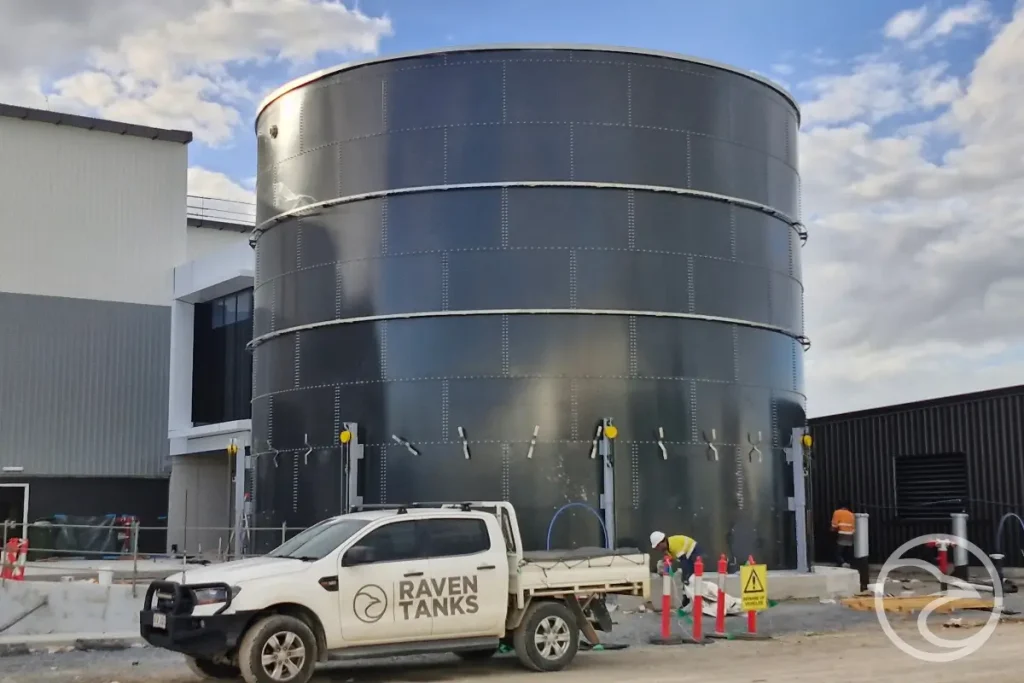
Corrosion inspection on a steel water storage tank

Industrial Tank Inspection Checklist: what Engineers Should Check

Industrial storage tanks play a critical role in water storage, fire protection systems, and industrial operations. Over time, exposure to moisture, chemicals, and environmental conditions can cause corrosion, leaks, and structural damage. Regular inspections help detect problems early and prevent costly repairs or safety risks. Using a structured tank inspection checklist allows facility managers and maintenance teams to identify issues before they escalate. Below is a practical guide covering the key components that should be checked during an industrial tank inspection. Why Regular Inspections are Important Routine inspections are essential for maintaining the safety and reliability of industrial tanks. Without proper monitoring, small issues such as corrosion or liner damage can quickly develop into serious structural problems. Regular inspections help: In many cases, facilities schedule inspections annually or as part of preventive maintenance programs. Industrial Tank Inspection Checklist A comprehensive industrial tank inspection checklist typically includes several key areas of the tank system. 1. Exterior Tank Structure The external structure should always be inspected first because visible damage can indicate deeper structural issues. Check for: Any visible structural damage should be assessed by professionals providing professional tank inspection to determine whether repairs are required. 2. Tank Roof and Access Points Tank roofs and access hatches are common areas where damage can occur due to weather exposure and frequent use. Inspect the following: Poor ventilation or damaged seals may lead to contamination or internal moisture buildup. 3. Interior Tank Condition Internal inspection is often necessary to evaluate the tank’s structural integrity and identify hidden problems. During an interior inspection, technicians should check: Industrial tanks storing potable or process water require special attention to ensure water quality remains safe. 4. Tank Liners and Protective Coatings Many tanks use internal liners or protective coatings to prevent corrosion and extend the lifespan of the structure. Inspect: If damage is detected, professional repairs for damaged tank liners may be required to restore proper protection and prevent structural deterioration. 5. Leak Detection Leaks can lead to water loss, environmental damage, and structural weakening of the tank. Common leak indicators include: Early water tank leak detection helps prevent major failures and reduces repair costs. 6. Tank Foundation and Base The tank foundation must support the entire structure safely. Inspect the base for: Foundation issues can eventually lead to structural instability if not addressed promptly. How Often Should Tanks Be Inspected? The frequency of inspections depends on several factors, including tank type, usage, and environmental exposure. Typical inspection schedules include: Facilities that rely on tanks for fire protection or potable water storage often require more frequent inspections. When to Call Professional Tank Inspection Services While routine visual checks can be performed by facility staff, comprehensive inspections should be conducted by experienced professionals. Professional inspectors can: Specialized industrial tank inspection services ensure tanks remain safe, compliant, and fully operational. Final Thoughts Regular inspections are one of the most effective ways to extend the lifespan of industrial water tanks. By following a structured tank inspection checklist, facility managers can identify issues early and prevent costly repairs or operational disruptions. Whether inspecting tank structures, liners, or leak risks, proactive maintenance helps ensure long-term reliability and safety for industrial water storage systems.

Industrial Tank Inspection Checklist: what Engineers Should Check Read More »