Repair vs. Monitor: When an Industrial Storage Needs Immediate Attention
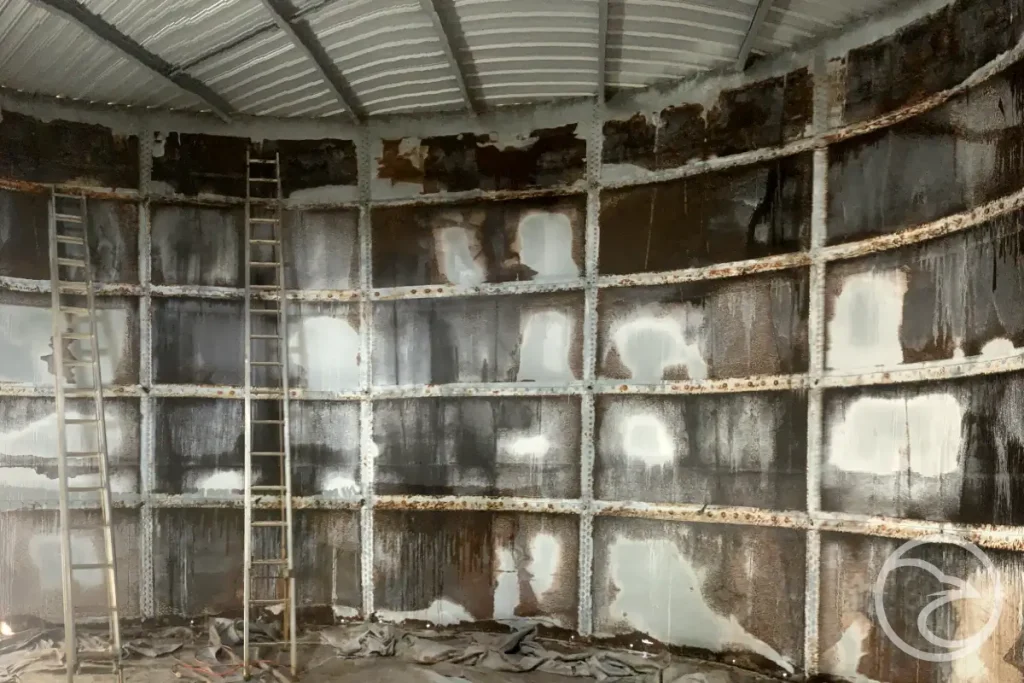
Industrial storage tanks are designed for durability. However, even the strongest steel, concrete, or fiberglass systems deteriorate over time. Understanding when to repair an industrial storage tank can prevent operational downtime, environmental risks, and costly full replacements. Below are the most common indicators that signal it’s time to move beyond routine maintenance and consider professional repair. 1. Visible Corrosion and Surface Deterioration Corrosion is one of the earliest and most obvious warning signs. It often begins subtly — small rust patches, coating blistering, or minor pitting. Over time, these issues compromise the tank’s structural integrity. Common corrosion-related issues include: If corrosion spreads or deepens, it may lead to structural thinning. At this stage, immediate repair is necessary to avoid leaks or wall failure. 2. Leaks and Moisture Accumulation Even minor leaks indicate that the tank system is under stress. You might notice: Industrial tank leakage can escalate quickly. What begins as a small seam crack can expand due to pressure changes or temperature fluctuations. When evaluating when to repair an industrial storage tank, persistent or recurring leaks are a clear signal that corrective action is required. 3. Structural Deformation Storage tanks are engineered to maintain shape under load. Any visible deformation suggests structural stress. Warning signs include: These problems may result from foundation instability, internal pressure imbalance, or prolonged corrosion damage. Structural deformation should never be ignored, as it often indicates deeper system compromise. 4. Coating Failure and Liner Breakdown Protective coatings and liners extend the lifespan of industrial tanks. However, chemical exposure, UV radiation, and temperature changes degrade these protective layers over time. Signs of coating failure: When coatings fail, the underlying structure becomes vulnerable to accelerated corrosion or contamination. Repairing the protective system early can significantly extend the service life of the tank. 5. Operational Performance Issues Sometimes the warning signs are operational rather than visual. You may experience: These performance problems can point to internal damage, valve deterioration, or structural weakness. Routine inspection helps determine whether localized repair is sufficient. 6. Age and Maintenance History Every industrial storage tank has a projected service life. Even if visible damage is minimal, aging materials naturally weaken. Consider repair if: Reviewing inspection data helps determine whether repair is still cost-effective compared to replacement. Repair vs. Replacement: How to Decide One of the most common questions facility managers ask is whether to repair or replace. Repair is generally appropriate when: Replacement may be necessary if deterioration affects multiple structural components or if compliance standards can no longer be met. Understanding when to repair an industrial storage tank requires evaluating both current condition and long-term operational goals. For a more detailed overview of professional repair solutions, you can explore our industrial tank repair services page. The Importance of Early Intervention Delaying repairs can lead to: Early intervention reduces risk and preserves asset value. Scheduled inspections combined with prompt corrective action ensure that industrial storage systems remain safe and reliable. Final Thoughts Knowing when to repair an industrial storage tank is not always obvious. However, visible corrosion, leakage, structural deformation, coating failure, operational irregularities, and aging infrastructure all provide clear signals. Proactive assessment and timely repair not only prevent costly disruptions but also extend the lifespan of critical storage infrastructure. For industrial operations, prevention is always more economical than emergency replacement.
Repair vs. Monitor: When an Industrial Storage Needs Immediate Attention Read More »