Why Modular Water Storage for Industry is Becoming the Preferred Solution
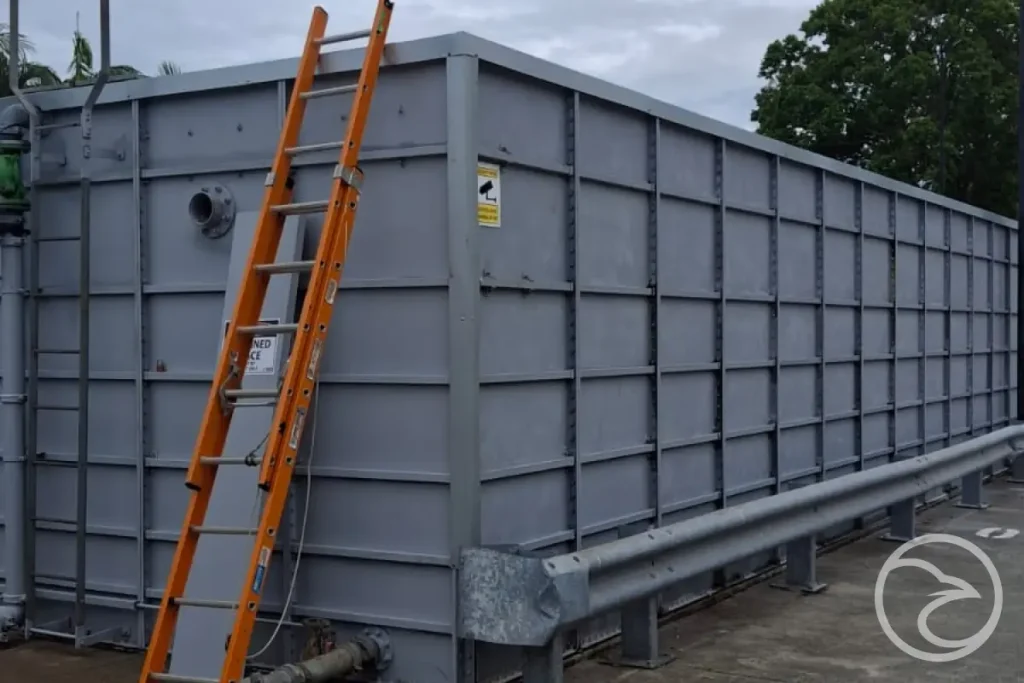
Water plays a critical role in industrial operations. Whether used in manufacturing, cooling systems, processing, or fire protection, a reliable storage system is essential. Today, many facilities are moving toward modular water storage for industry as a flexible and scalable alternative to traditional tank systems. Unlike welded or cast-in-place tanks, modular systems offer faster installation, easier expansion, and long-term operational efficiency. For growing industrial facilities, this approach delivers both performance and cost advantages. What is Modular Water Storage? Modular water storage systems consist of sectional panels assembled on-site to create tanks of various capacities. These panels are typically manufactured from materials such as: Because the tanks are assembled in sections, they can be customized in size and shape to suit specific industrial requirements. This design flexibility makes modular water storage for industry ideal for facilities with space constraints or evolving capacity needs. Key Benefits of Modular Water Storage for Industry 1. Scalability for Growing Operations Industrial demand rarely stays constant. As production increases, water requirements often grow as well. Modular systems allow facilities to expand tank capacity by adding additional panels instead of replacing the entire system. This scalability reduces capital expenditure and avoids operational downtime. 2. Faster Installation Traditional concrete or welded tanks can take weeks or even months to construct. In contrast, modular tanks are prefabricated and assembled on-site, significantly reducing installation time. For industrial facilities operating under strict timelines, modular water storage for industry provides a practical solution that minimizes disruption. 3. Space Optimization Industrial sites often face layout limitations. Modular systems can be designed in rectangular or square configurations, allowing better use of available space compared to cylindrical tanks. This is particularly valuable in factories, warehouses, and processing plants where floor space is critical. 4. Durability and Long Service Life Modern modular tanks are engineered to withstand harsh industrial environments. Corrosion-resistant materials such as stainless steel and GRP ensure long-term durability, even in demanding conditions. With proper maintenance, these systems can operate efficiently for decades, making them a reliable investment for industrial infrastructure. Common Applications in Industrial Facilities Modular water storage systems are used across a wide range of industries, including: Typical applications include: Process water storage Because of their adaptable design, modular water storage for industry supports both operational and safety requirements. Maintenance and Compliance Considerations Industrial water storage must meet safety and regulatory standards, particularly when used for potable water or fire protection. Modular systems are designed to comply with industry regulations and can be fitted with: Routine inspections and cleaning ensure continued performance and regulatory compliance. Is Modular Water Storage the Right Choice? When evaluating water storage options, industrial facilities should consider: For operations that require flexibility, durability, and scalability, modular water storage for industry presents a modern, efficient alternative to traditional tank construction methods. Efficient facilities typically include robust industrial storage tank solutions within their overall water management strategy. Conclusion As industrial operations evolve, infrastructure must adapt. Modular water storage systems provide the flexibility to grow, optimize space, and maintain performance over time. By choosing modular water storage for industry, facilities gain a scalable solution that supports operational continuity while reducing long-term costs.
Why Modular Water Storage for Industry is Becoming the Preferred Solution Read More »