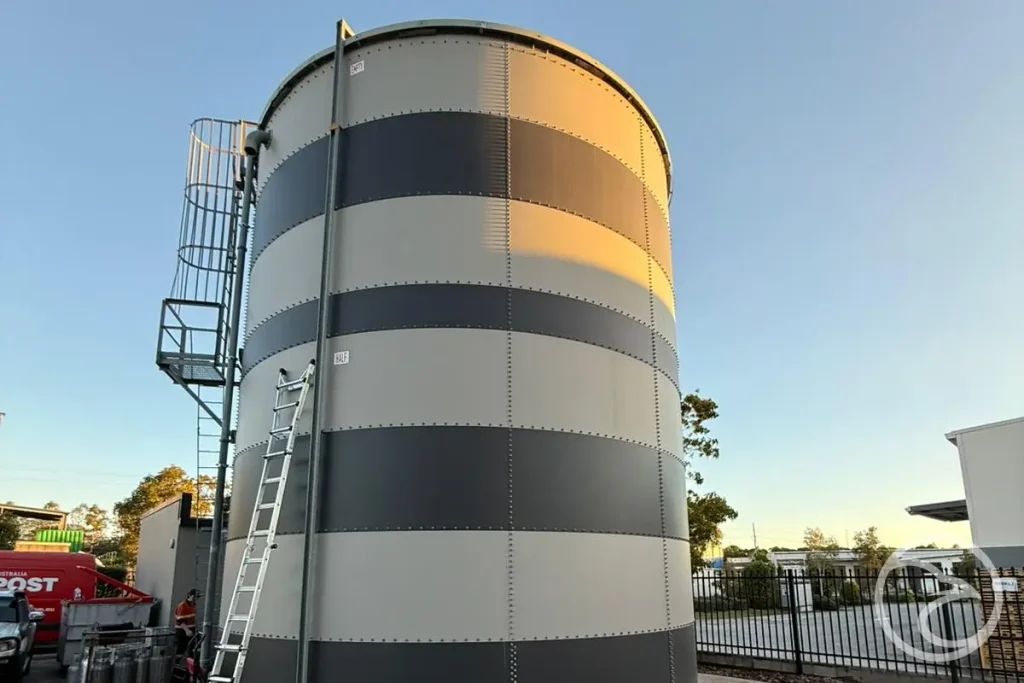
industrial tank operating in harsh environmental conditions

How to Choose the Right Industrial Tank for Harsh Environments

Industrial tanks used in mining, manufacturing, chemical processing, and remote site operations must withstand extreme conditions. High temperatures, corrosive materials, UV exposure, and mechanical stress can significantly shorten a tank’s lifespan if the wrong materials or designs are chosen. When choosing the right industrial tank, it is important to understand the key factors that influence durability so businesses can make informed decisions before investing in long-term storage infrastructure. 1. Assess the Type of Environmental Stress Different environments introduce different challenges. Before choosing right industrial tank, it’s important to identify which stressors are present: Mapping these factors ensures the tank’s material and structure match real conditions—not theoretical ones. 2. Understand Material Performance Each tank material offers unique strengths and limitations: Stainless Steel Known for corrosion resistance and durability, especially in chemically active environments. It performs well in high temperatures but may be vulnerable to certain aggressive acids. Fiberglass Reinforced Plastic (FRP) Lightweight, strong, and adaptable to many corrosive environments. FRP works well when weight or transport constraints are important. Carbon Steel Robust and cost-effective for non-corrosive or mildly corrosive applications. Often used with protective coatings to enhance longevity. Polyethylene and Other Plastics Suitable for moderate conditions, but may degrade under UV exposure or extreme temperatures unless specially treated. Choosing the right material is often a balance between chemical compatibility, budget, and expected service life. 3. Consider Structural Design Requirements In harsh environments, strength is just as important as chemical resistance: A tank that is structurally under-built will fail long before its materials show degradation. To explore how different tank designs perform in demanding conditions, you can review additional technical information available on our website. 4. Evaluate Protective Coatings and Linings Coatings and linings add an additional layer of defence, especially in harsh or corrosive environments: These enhancements help extend service life and reduce maintenance frequency. 5. Confirm Industry Standards and Certifications Different industries require compliance with specific standards to ensure safety and reliability. Reviewing these standards early helps avoid costly redesigns later. Certifications may cover materials, manufacturing processes, installation, and long-term performance expectations. 6. Plan for Maintenance in Extreme Conditions Even the strongest tank will require maintenance. When choosing a tank, consider: A well-designed tank should minimise downtime, even when operating in demanding conditions. Conclusion Selecting an industrial tank for harsh environments requires careful evaluation of materials, design features, environmental stressors, and long-term maintenance needs. When these factors are considered together, organisations can choosing right industrial tank that remain reliable and safe under the toughest conditions.

How to Choose the Right Industrial Tank for Harsh Environments Read More »