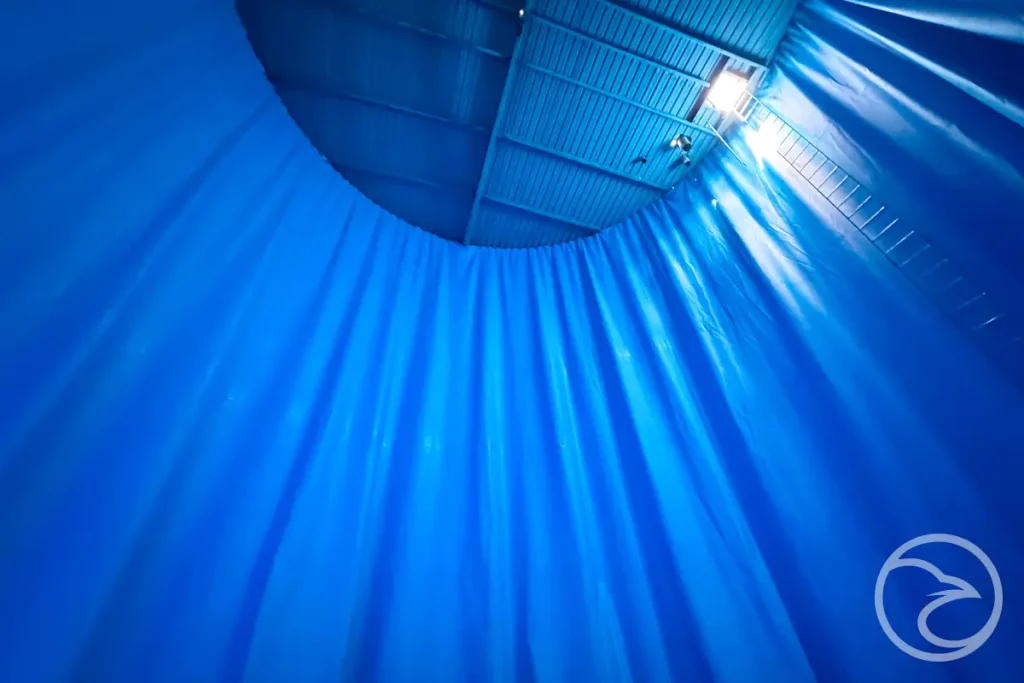
Tank Liners Explained: Complete Guide to Tank Lining
Tank liners play a critical role in protecting water and liquid storage systems across commercial, industrial, municipal, and agricultural facilities. They create a durable barrier between the stored media and the tank structure, helping prevent corrosion, leaks, and premature deterioration. Modern tank liners are used in both new storage tanks and existing tanks requiring additional protection. The right liner system can improve operational reliability, reduce maintenance needs, and extend the service life of valuable storage assets. Different applications require different liner materials, designs, and installation methods. Factors such as the stored liquid, operating temperature, environmental conditions, and industry regulations all influence the selection of the most suitable solution. This tank liners guide explains what tank liners are, how they work, where they are used, and which materials are available. It also explores the most common tank liner applications and the key factors to consider when selecting the right system for your storage requirements. What are Tank Liners? A tank liners is a protective membrane installed inside a storage tank to isolate the stored liquid from the tank structure. The liner forms a continuous barrier that helps prevent corrosion, leaks, contamination, and structural damage over time. Tank liners are used in steel, concrete, fiberglass, and modular panel tanks across many industries. They are designed to withstand demanding operating conditions while maintaining reliable performance throughout their service life. Most tank liners are manufactured from flexible polymer or rubber-based materials selected for their durability and chemical resistance. The appropriate material depends on the type of liquid being stored, environmental conditions, and operational requirements. Common functions of tank liners include: Tank liners are widely used for potable water, fire water, wastewater, agricultural storage, and industrial process applications. While every project has unique requirements, the primary goal remains the same: protecting the storage system while supporting safe and reliable operation. Unlike tank coatings, which are applied directly to the tank surface, tank liners create a separate containment barrier. This additional layer helps protect the structure even when operating conditions become more demanding or stored media changes over time. Why are Tank Liners Important? Storage tanks are exposed to moisture, chemicals, temperature changes, and constant operating pressure. Without a protective barrier, these conditions can accelerate corrosion, reduce structural integrity, and increase maintenance costs. A properly selected tank lining system helps protect the tank while improving long-term storage performance. The benefits of tank liners extend beyond protecting the tank itself. They also help maintain stored media quality, reduce downtime, and improve the overall reliability of water and liquid storage systems. Key benefits of tank liners include: Choosing the right tank liner is an important part of any storage project. The liner material, operating environment, and stored liquid all influence long-term performance. Matching the correct liner to the application helps maximize durability while reducing future maintenance needs. Common Tank Liner Applications Tank liners are used across a wide range of industries where reliable liquid storage is essential. While every application has unique operating conditions, the purpose remains the same: protecting the storage tank while maintaining the quality and integrity of the stored media. The most common tank liner applications include commercial facilities, industrial plants, fire protection systems, potable water storage, and wastewater treatment. Each application requires a liner system designed for its specific operating environment and performance requirements. Commercial Tank Liners Commercial tank liners protect water and liquid storage systems used by commercial buildings, institutions, and public infrastructure. They help extend tank life while supporting reliable day-to-day operation. Common commercial applications include: Commercial tank liners are commonly used to protect water storage systems that require dependable performance and reduced maintenance throughout their operating life. Industrial Tank Liners Industrial tank liners are designed for demanding environments where storage systems are exposed to chemicals, process water, and changing operating conditions. They provide an additional layer of protection that helps improve reliability and extend the service life of industrial tanks. Common industrial applications include: Industrial tank liners are selected based on chemical compatibility, operating temperature, and the specific requirements of each storage application. Fire Water Tank Liners Fire water tank liners help protect storage systems that supply water for fire protection and emergency response. These liners support long-term performance while helping maintain water availability when it matters most. Common fire water applications include: Fire water tank liners are engineered to provide reliable protection for storage systems that must remain ready for emergency use. Potable Water Tank Liners Potable water tank liners help preserve drinking water quality while protecting storage tanks from corrosion and deterioration. They are manufactured using materials suitable for potable water applications and designed to support long-term system performance. Common potable water applications include: Potable water tank liners help support safe drinking water storage while meeting the performance requirements of modern water systems. Wastewater Tank Liners Wastewater tank liners provide durable protection in environments exposed to moisture, chemicals, and continuous use. They help improve containment while reducing the effects of corrosion and wear. Common wastewater applications include: Wastewater tank liners are designed to withstand challenging operating conditions while supporting reliable long-term containment. Tank Liner Materials The material used in a tank liner has a direct impact on its durability, chemical resistance, and long-term performance. Selecting the right material depends on the stored media, operating conditions, temperature, and regulatory requirements. Different materials offer different performance characteristics. Understanding their strengths helps facility owners choose a liner system that matches their storage application. Material Common Applications Key Benefits PVC Water storage, fire water, commercial tanks Flexible, durable, cost-effective Polypropylene (PP) Industrial and chemical storage Excellent chemical resistance Polyethylene (PE) Water and wastewater storage Corrosion resistance and durability EPDM Rubber Outdoor water storage High flexibility and weather resistance Custom Materials Specialized applications Engineered for specific operating conditions PVC Tank Liners PVC is one of the most widely used materials for water storage applications. It combines flexibility, durability, and excellent resistance to moisture, making it suitable for commercial, municipal, and fire water storage tanks. Typical benefits include: Learn more about our PVC tank liners and why they remain one of the most popular
Tank Liners Explained: Complete Guide to Tank Lining Read More »