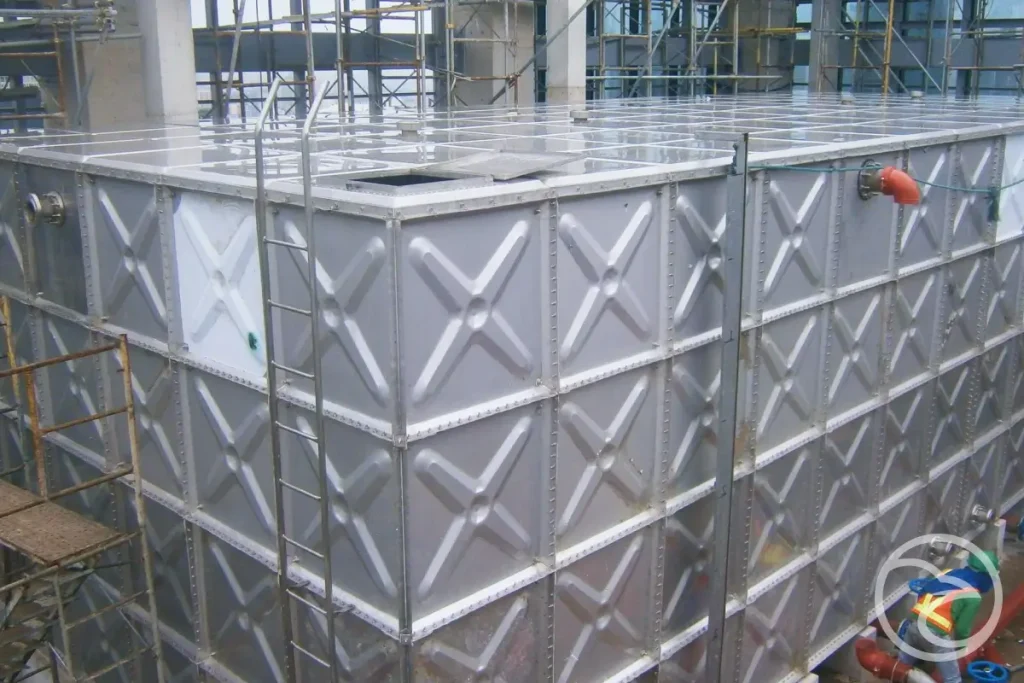
Stainless Steel Panel Tank Maintenance for Long-Term Performance
Regular maintenance is essential for all water storage systems. Proper servicing helps preserve water quality, structural reliability, and long-term performance. Many facilities choose stainless steel panel tanks because they require less corrosion-related maintenance than some alternative materials. However, routine inspections and cleaning still remain important. Preventive maintenance helps identify small issues before they become expensive repairs. Well-maintained stainless steel panel tanks may operate efficiently for decades. Why Water Tank Maintenance Matters Water storage systems operate under constant moisture exposure. Over time, sediment buildup, seal wear, and operational stress may affect tank performance. Poor maintenance may lead to: Routine servicing helps maintain safe and reliable operation. This is especially important for potable water and fire protection systems. Why Stainless Steel Tanks Require Less Maintenance Stainless steel naturally resists corrosion and rust formation. This reduces many of the maintenance issues associated with other tank materials. Corrosion resistant stainless steel panel tanks usually require less: The material’s smooth internal surfaces also simplify cleaning procedures. This is one reason many facilities choose stainless steel for long-term water storage systems. Common Stainless Steel Panel Tank Maintenance Tasks Even durable systems require regular inspections and servicing. Internal Cleaning Sediment and debris may gradually accumulate inside water storage tanks. Routine cleaning helps maintain hygienic conditions and water quality. Cleaning schedules often depend on: Facilities using stainless steel panel tanks for potable water usually follow strict cleaning schedules. Structural Inspections Regular inspections help identify signs of wear or operational issues early. Inspections may include: Early detection helps reduce long-term repair costs. Seal and Joint Checks Panel tank systems rely on seals and joints to maintain watertight operation. Over time, seals may experience: Routine inspections help maintain reliable performance. Sediment Removal Sediment accumulation may affect water quality and operational efficiency. Periodic sediment removal helps preserve cleaner storage conditions inside the tank. Many facilities schedule professional tank cleaning to support hygiene and regulatory compliance. Maintenance Frequency Considerations Maintenance schedules vary depending on system type and operating conditions. Several factors may affect inspection frequency: Facilities in coastal or industrial environments may require more frequent inspections. Potable Water Tank Maintenance Potable water systems require higher hygiene standards than many other storage applications. Maintenance for potable water tanks often focuses on: Many operators use hygienic stainless steel panel tanks because their smooth surfaces simplify sanitation procedures. Fire Protection Tank Maintenance Fire protection systems must remain operational at all times. Regular inspections help maintain emergency readiness. Maintenance procedures may include: Benefits of Preventive Maintenance Preventive maintenance provides several long-term advantages. These may include: Consistent maintenance also helps preserve structural reliability over time. Conclusion Routine maintenance is essential for maintaining safe and reliable water storage systems. Even durable materials require regular inspections and cleaning procedures. Stainless steel panel tanks offer several maintenance advantages because of their corrosion resistance and smooth internal surfaces. These properties help reduce long-term servicing requirements while supporting cleaner water storage conditions. With proper preventive maintenance, stainless steel panel tanks can provide reliable performance for many years in commercial, industrial, potable water, and fire protection applications.
Stainless Steel Panel Tank Maintenance for Long-Term Performance Read More »